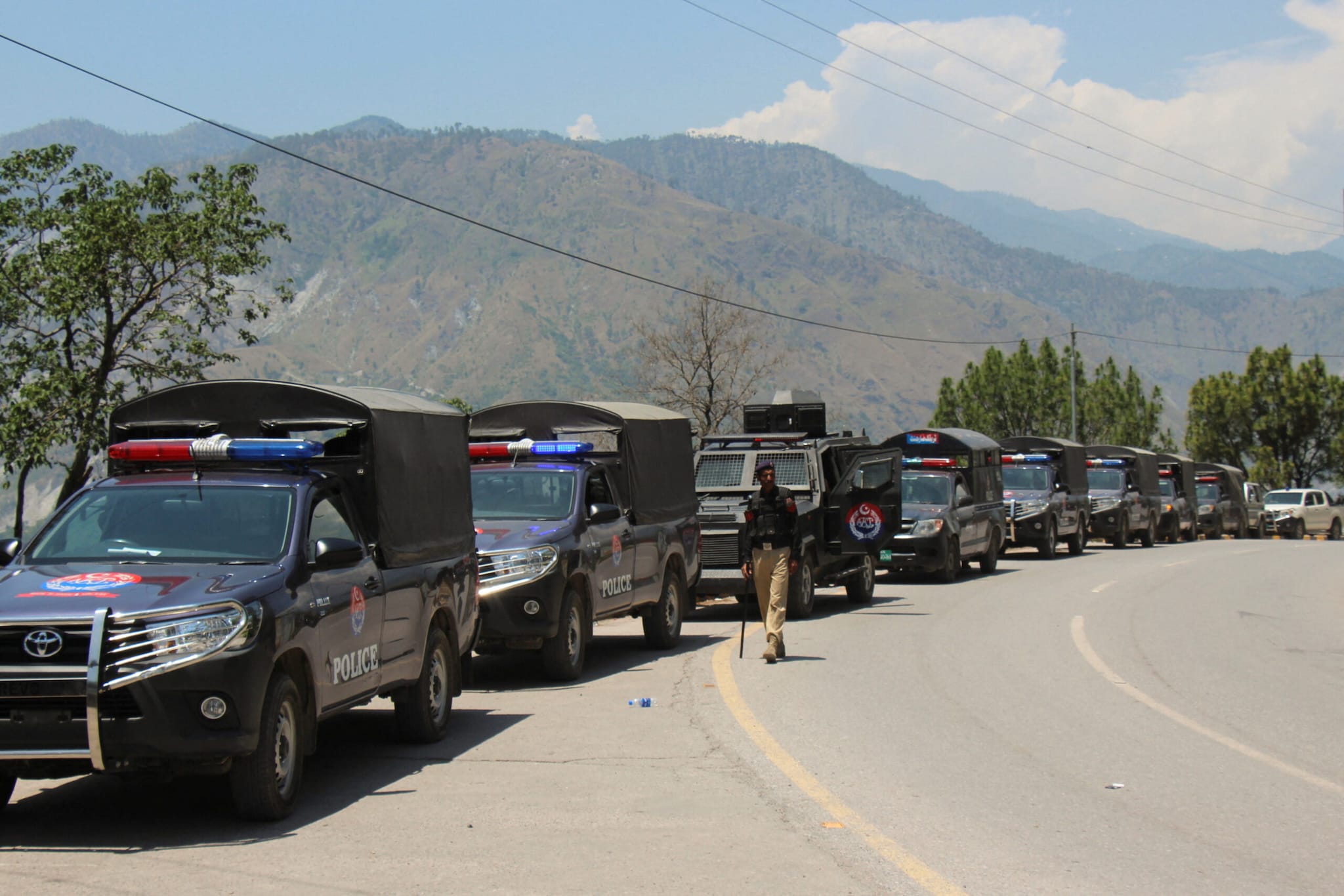
Beijing wants you to look at Xinjiang and see a bustling economic powerhouse. It wants global investors to notice the green energy projects, the smart factories, and the freight trains rattling across the Eurasian landmass. What it explicitly does not want you to think about are the high walls, barbed wire, and mass detention facilities that defined the region’s international image only a few years ago.
This friction between economic ambition and a dark political past is playing out right now in Altay and Urumqi. Beijing is using the high-profile China-Eurasia Expo and related international trade forums to aggressively push a new narrative. The message is simple. Xinjiang is open for business, safe for travel, and ready to serve as the ultimate gateway for the Belt and Road Initiative.
But can a heavy dose of state-backed commerce erase the memory of what the United Nations and numerous human rights organizations flagged as systematic abuses against the Uyghur population?
The Economic Pivot From Control to Commerce
For years, Xinjiang was synonymous with a heavy-handed security apparatus. Millions of Uyghurs and other Muslim minorities were subjected to what Beijing termed "vocational training centers"—places the rest of the world recognized as forced internment camps. Now, Chinese officials are eager to declare that chapter closed.
Instead of security checkpoints, the state is rolling out the red carpet for foreign diplomats, regional leaders, and corporate buyers. The numbers tell a clear story of where China is directing its energy. In 2025, China's exports to Central Asia hit $71.2 billion, marking an 11 percent jump year-on-year. Xinjiang sits at the literal center of this trade surge.
The focus has shifted from raw security to high-tech industrialization. At the latest trade forums, the talk isn't about stability maintenance; it's about what Beijing calls "new quality productive forces." We are talking about massive investments in:
- Green Energy: Photovoltaic solar grids and wind power installations blanketing the Gobi desert.
- Advanced Manufacturing: EV components and automated machinery built for export.
- The Low-Altitude Economy: Commercial drone applications for logistics and agriculture.
- Digital Trade: Cross-border e-commerce hubs linking Chinese factories directly with Central Asian consumers.
By turning Xinjiang into an indispensable economic organ, Beijing makes it incredibly difficult for neighboring countries—and even Western corporations—to completely detach themselves from the region.
Why Central Asia and Global Partners Are Buying In
Western nations still enforce strict import bans on goods linked to Xinjiang forced labor, like the Uyghur Forced Labor Prevention Act in the United States. Yet, China is finding a highly receptive audience elsewhere.
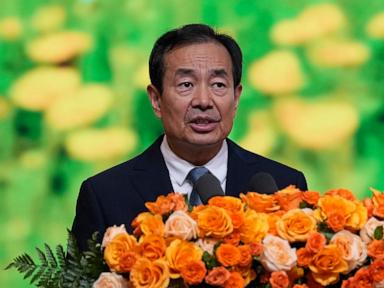
The upcoming China-Eurasia Expo in Urumqi boasts record-high confirmation numbers, with over 2,000 companies and institutions signed up. Countries like the United Arab Emirates, Russia, South Korea, and Thailand are debuting brand-new national pavilions.
For Central Asian nations like Kazakhstan, Uzbekistan, and Kyrgyzstan, Xinjiang isn't a political debate. It's a geographical reality and a massive financial opportunity. These landlocked economies need access to markets, and China is offering them a multi-billion-dollar corridor.
During these trade sessions, Chinese officials aren't just selling cheap textiles. They are offering deep integration. They are locking in long-term supply chains for bulk commodities like minerals, oil, and gas, while simultaneously helping Central Asian markets upgrade their own digital infrastructure. When a state official from Kazakhstan attends a matchmaking session titled "Export to China," the ethical concerns raised in Washington or Brussels feel very far away.
The Strategy of Rebranding Through Tourism and Normalcy
Commerce is only half the battle; the other half is perception. Beijing is intentionally using places like Altay—famed for its stunning natural scenery and emerging winter sports industry—to project an image of idyllic ethnic harmony and untamed natural beauty.
International journalists and diplomats are invited on highly curated tours. They see pristine ski resorts, traditional cultural dances, and booming local businesses. It's a classic strategy of displacement. If a tourist spends their day admiring snow-capped peaks or sampling local wines, they aren't looking for the remnants of security watchtowers.
The reality on the ground has evolved. The overt, heavily armed police presence that blanketed Xinjiang cities five years ago has been dialed back. In its place is a sophisticated, digitized surveillance network that operates quietly in the background. To a casual visitor or a foreign trade delegate, the region feels "normal." That feeling of normalcy is exactly what China is banking on to dismantle international criticism.
What This Means for Global Supply Chains
If you think your business isn't connected to Xinjiang, you might want to double-check your supply chain. The region remains a global heavyweight in critical materials. It produces a massive chunk of the world’s polysilicon, which is vital for solar panels. It’s also a dominant force in cotton production and agricultural exports like tomato paste and seasonal fruits.
The current economic push makes decoupling even messier. As China integrates Xinjiang’s factories with companies from Southeast Asia, the Middle East, and Eastern Europe, tracing the origin of component parts becomes nearly impossible. A product might be assembled in a third country using raw materials processed in Urumqi, successfully laundering the goods past Western customs inspectors.
Your Next Steps for Supply Chain Due Diligence
If you manage a business that imports electronics, textiles, or renewable energy components, ignoring the Xinjiang rebrand is a massive legal and reputational risk. Here is how you need to handle it right now:
- Map Beyond Tier One Suppliers: Don't just trust the factory vendor in Vietnam or Thailand. Demand full traceability documentation back to the raw material stage.
- Audit for Transshipment Hubs: Watch out for goods routed through Central Asian hubs or new free trade zones inside Xinjiang that hide the true point of origin.
- Track Environmental and Digital Tech Inputs: With Xinjiang pivoting hard into solar, wind, and smart manufacturing tech, ensure your green energy procurement doesn't cross paths with state-subsidized entities in the northwest.