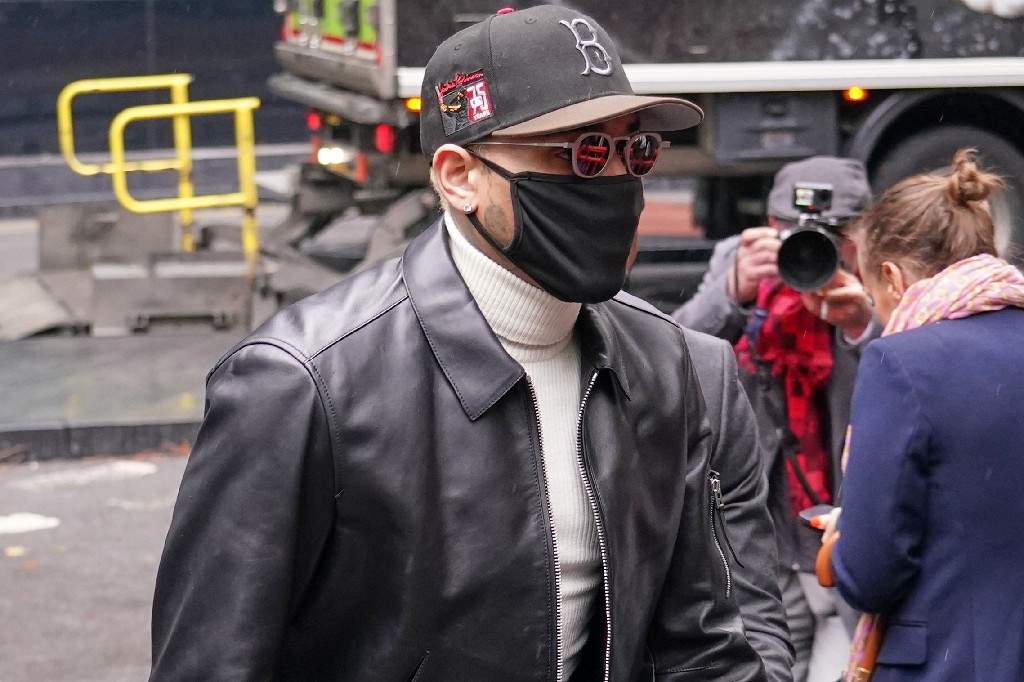
Celebrity status often creates a separate set of rules in the public eye. People expect famous musicians to face maximum penalties or dodge accountability entirely. When Chris Brown stepped into Southwark Crown Court, many assumed he'd either buy his way out of trouble or face serious time behind bars for a brutal altercation.
Instead, the judge handed down an eight-month sentence, suspended for 12 months. Meanwhile, you can explore other events here: Why The Laura Owens Sentencing Leaves Everyone Frustrated.
That verdict sparked immediate debate. How does a violent nightclub attack involving a glass bottle result in a suspended sentence instead of a jail cell? Let's break down what actually happened, what the court considered, and why the legal system landed on this specific outcome.
The Nightclub Incident That Sparked the Legal Battle
The charges trace back to February 2023. Tape, a private club tucked into the upscale Mayfair neighborhood in London, was packed. Brown was in town for his tour. According to prosecutors from the Crown Prosecution Service, things turned violent on the dance floor. To see the full picture, we recommend the recent analysis by The New York Times.
The victim was music producer Abraham Diaw, a former acquaintance of Brown. Surveillance footage captured a chaotic scene. Prosecutors alleged that Brown struck Diaw twice in the head with a tequila bottle before punching and kicking him. Co-defendant Omololu Akinlolu—who performs as Hoody Baby—also joined the fray.
For months, the legal status of the case bounced around. Brown initially faced severe charges, including causing grievous bodily harm, assault causing actual bodily harm, and possessing an offensive weapon. By July, those charges shifted when Brown and Akinlolu entered guilty pleas to a single count of affray—defined under British law as using or threatening unlawful violence that causes someone to fear for their safety.
Breaking Down the Sentence and Judicial Reasoning
Judge Tony Baumgartner presided over the sentencing at Southwark Crown Court. He made one point crystal clear right away. Fame doesn't buy immunity.
“Your fame, commercial success and professional standing do not entitle you to special treatment. The law applies equally to everyone,” Baumgartner stated in court.
So why avoid prison?
Juding guidelines in the U.K. factor in guilty pleas heavily. Pleading guilty saves the court time and spares victims from enduring a grueling trial. That choice alone trims significant prison exposure.
Furthermore, the judge pointed to specific mitigating factors. Brown maintained stable employment, engaged in charity work, and kept a relatively clean record in recent years despite past legal troubles. Judge Baumgartner noted that while using a glass bottle as a weapon near someone's head was inherently dangerous, the actual injuries sustained and Brown's willingness to admit guilt shifted the sentencing matrix away from an immediate custodial term.
Akinlolu received a four-month sentence, also suspended for 12 months.
The Broader Context of Celebrity Legal Drama
We've seen this movie before. High-profile arrests rarely follow a linear path. Brown's legal defense team managed to secure a massive US$6.7-million bail package back in May 2025, which kept him out of custody long enough to launch his Breezy Bowl XX tour. That freedom came with strict travel conditions, passport surrenders, and explicit orders to stay away from the victim and the Mayfair venue.
Critics argue that suspended sentences give wealthy performers a free pass. Supporters point out that sentencing guidelines exist for a reason, rewarding defendants who take accountability through a guilty plea rather than dragging out litigation.
Brown's reaction to the ruling was swift. As he left court, video posted to his Instagram Stories showed him giving a relaxed thumbs up from the back of a car.
The legal chapter in London is closed, but the conversation surrounding celebrity accountability and the limits of the justice system keeps marching forward.