A maintenance check on the Athabasca Glacier went sideways when an all-terrain utility vehicle rolled backward off the road.
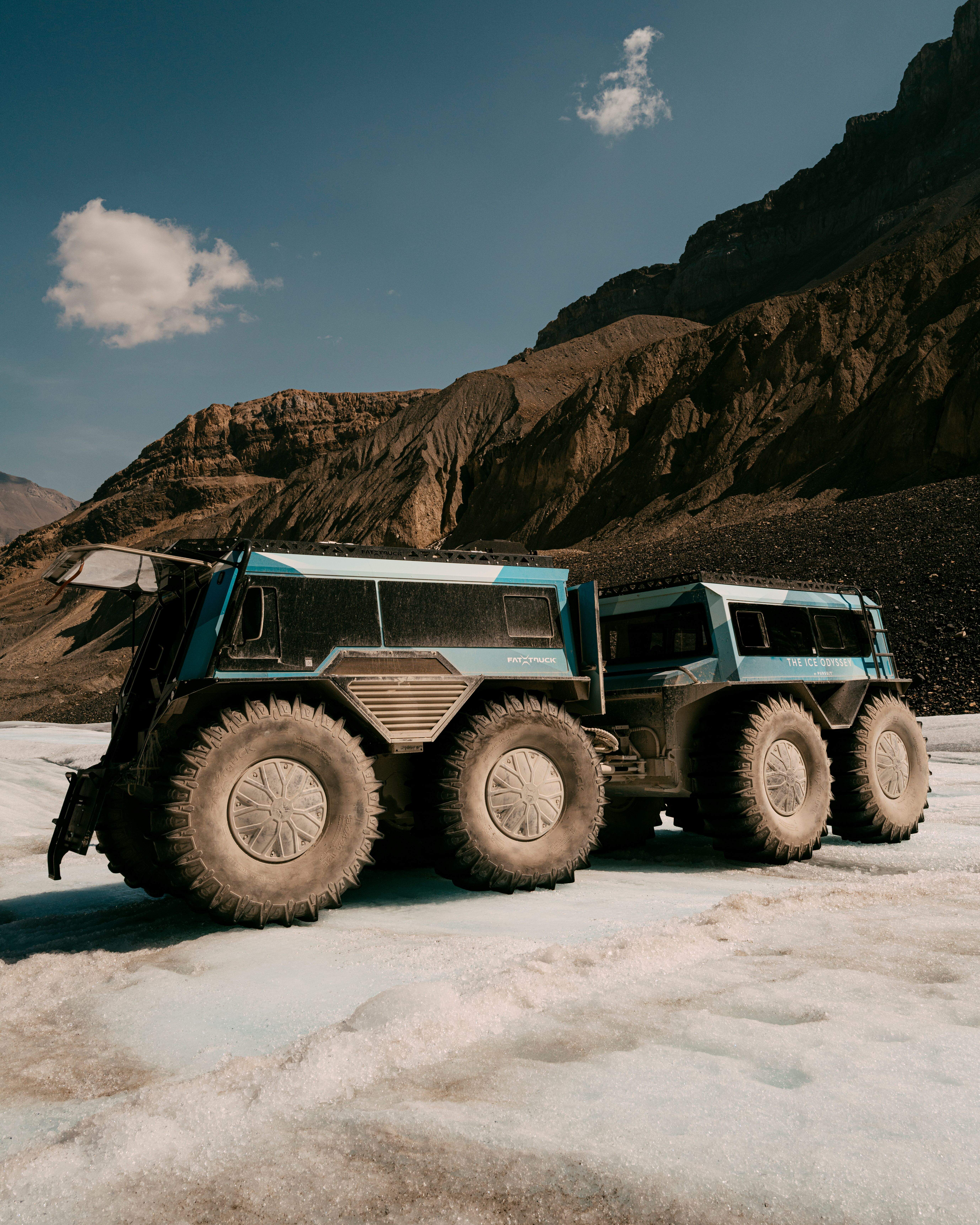
It happened just 120 kilometres south of Jasper, Alberta, at the famous Columbia Icefield. A single staff member was operating the specialized vehicle, known locally as an Ice Odyssey or "Fat Truck," during a routine operational check. The machine slipped, rolled down an embankment, and triggered immediate concern across the region's tourism sector. Don't forget to check out our earlier post on this related article.
Fortunately, the worker survived. Stuart Back, the Canadian chief operating officer for tour operator Pursuit, confirmed the employee was hospitalized with unknown injuries before being released to continue recovering at home.
Yet, the incident hits a raw nerve. Anyone familiar with the area remembers the 2020 tragedy involving a massive Ice Explorer bus crash that killed three people and seriously injured 14 others. That previous disaster involved catastrophic braking failure and left deep scars on the mountain community. When another incident happens on the ice, safety scrutiny spikes instantly. To read more about the history here, Al Jazeera offers an in-depth breakdown.
Understanding the Ice Odyssey Vehicles
You won't find regular buses on these specialized maintenance runs. The Ice Odyssey units look entirely different from the massive, multi-wheeled Ice Explorers most tourists ride onto the glacier.
These rugged all-terrain utility transporters handle harsh glacial terrain. They cross rough ice, moraines, and steep tracks where standard vehicles fail. Because crews use them for rigorous site maintenance and operational checks, they operate in high-risk zones.
On this particular Tuesday morning around 11 a.m., the vehicle rolled backward off the path while completely empty except for the driver. No paying passengers were on board. If tourists had been seated in the vehicle, the outcome could have looked entirely different.
How Regulators and Operators Respond
Alberta's Occupational Health and Safety department stepped in immediately. They took over the investigation to figure out exact mechanical or human factors behind the backward slide.
Pursuit didn't wait around to take precautions. They halted all Ice Odyssey tours right away. While general glacier vehicle operations and the separate Columbia Icefield Skywalk remained open or subject to scheduled adjustments, specific tours using these all-terrain units stay paused until at least September 8, following a careful review with safety authorities.
Affected travelers received full refunds or options to rebook. In the tourism business, handling cancellations fast matters, but safety protocols matter more.
The Broader Context of Glacier Safety
Operating heavy machinery on shifting glacial ice is uniquely punishing. Climate shifts, melting permafrost, and steep terrain create constant hazards. Maintenance crews face these tough conditions daily, long before the first tour bus rolls out of the interpretive center.
When equipment rolls backward, questions about braking systems, slope calculations, and vehicle securement protocols always follow. Investigators look at everything from tire traction on loose gravel to transmission engagement during stationary checks.
The heavy shadow of the 2020 tragedy means the public has zero patience for corporate negligence. Regulators know this. Every tour operator in the Canadian Rockies operates under a microscope right now.
If you plan to visit the Columbia Icefield soon, expect temporary schedule shifts. Check operator updates before driving out to the Icefield Parkway.
Safety checks save lives, but equipment failures demand answers. Watch for updates from Alberta Occupational Health and Safety as their investigation moves forward.