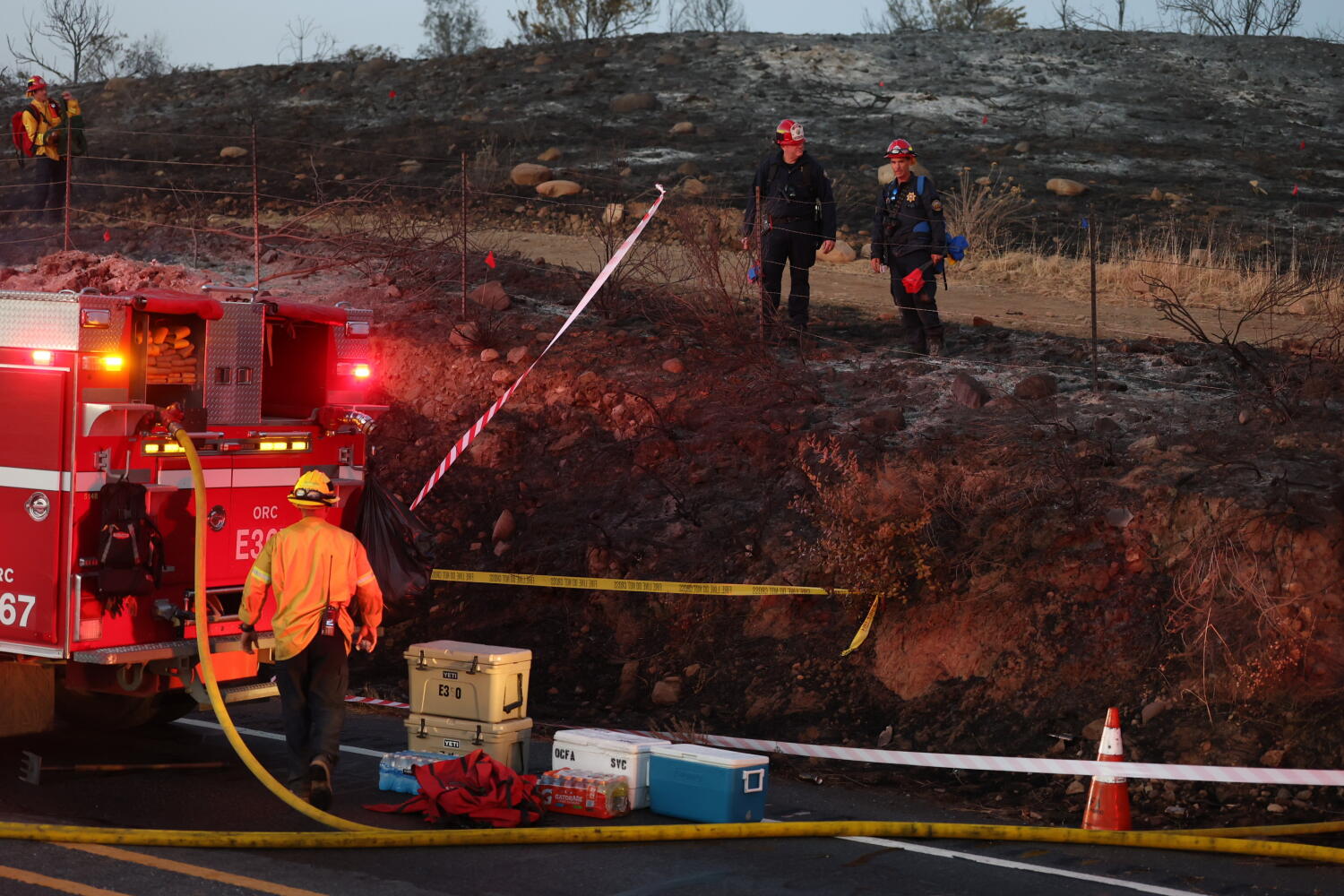
Driving past a smoking vehicle on a Los Angeles freeway usually triggers a familiar reaction: annoyance at the impending traffic jam. But when a blazing SUV erupted on the northbound 2 Freeway near Eagle Rock, it didn't just snarl evening commutes. It jumped the asphalt, ignited the dry hillside grass, and forced an immediate emergency response that briefly shut down vital transit lanes right near the Glendale border.
If you live anywhere in Southern California, you already know the sinking feeling that accompanies dry September heatwaves. A single mechanical failure on the asphalt can trigger a race against time for local fire departments. Let's look at what actually happened during the 2 Freeway flare-up, how it mirrors the larger crisis playing out down south with Orange County's 200-acre Gibby Fire, and what you need to know about navigating these sudden transit disruptions. In related developments, take a look at: Why The Army Just Shot Down Its Own Drone Strategy.
The Anatomy of a Freeway-Spun Brush Fire
The incident started simply enough. Around 8:40 p.m., an SUV caught fire on the northbound 2 Freeway near Colorado Boulevard. Vehicles become ticking time bombs when fuel lines rupture or electrical systems short circuit under intense heat. Within minutes, the vehicle was completely engulfed, sending heavy smoke billowing into the evening sky.
The real danger began when the flames reached the dry vegetation lining the mid-slope. Southern California brush doesn't need much encouragement to burn in early September. The hillside, parched by months of minimal rainfall, caught immediately. NBC News has also covered this important subject in extensive detail.
Los Angeles Fire Department crews rushed to the scene alongside resources requested from Glendale. Because wind speeds were fortunately low, firefighters managed to establish defensible space quickly, protecting homes perched above the transit corridor. An LAFD helicopter swooped in for precision water drops, keeping the blaze contained to roughly a half-acre.
The California Highway Patrol issued a SigAlert, locking down all northbound lanes of the freeway. For anyone trying to get home through the corridor, it was a brutal delay. Fortunately, crews knocked down the flames, checked for lingering hot spots, and reopened the lanes by 10:55 p.m. No injuries were reported, but the close call serves as a stark reminder of how fragile urban transit corridors are during fire season.
The Bigger Picture Down South
While the Eagle Rock incident stayed small, Southern Californians woke up to a much larger nightmare on the very same day. Down in Orange County, the Gibby Fire broke out just after 2 p.m. in the Rancho Mission Viejo area near Ortega Highway (State Route 74).
That blaze exploded past 200 acres within hours, forcing full lane closures on a massive commuter artery and triggering shelter-in-place orders for select commercial zones. Caspers Wilderness Park was shut down, and smoke poured visibly across Laguna Hills, Mission Viejo, and Dana Point.
Firefighters from the Orange County Fire Authority deployed a heavy air attack, utilizing Firehawks, fixed-wing aircraft, hand crews, and bulldozers. By evening, they stopped the forward progress at over 200 acres, but the contrast between the two fires highlights a brutal truth. You can have a tiny half-acre car fire halt traffic in Los Angeles, while miles away, hundreds of acres go up in smoke because dry brush meets rugged terrain.
What Drivers Often Miss About Fire Season Hazards
Most people assume major wildfires only start from lightning strikes or downed power lines. Real data tells a different story. Human-caused ignitions—ranging from discarded cigarette butts to dragging trailer chains and catastrophic car fires—spark the vast majority of roadside blazes in Southern California.
When your car starts smoking on the freeway, pulling over safely isn't just about protecting your vehicle. If you pull onto the shoulder right next to overgrown, unmanaged brush, your catalytic converter can act like a blowtorch on dry grass.
- Pull over on concrete if possible: If your vehicle is failing, try to steer it toward cleared concrete shoulders rather than deep brush patches.
- Keep your distance: If you're stuck in traffic behind a vehicle fire, stay inside your car, keep your windows rolled up with the AC on recirculate, and leave plenty of room between you and the emergency vehicles.
- Check alternate routes immediately: Relying on GPS apps during a SigAlert saves hours. For the Ortega Highway closure, drivers had to rely on the 91, 76, 78, or Interstate 5 instead.
Roadside fires move fast because vehicles carry high-energy fuel and plastics. When combined with hillside topography, a minor engine fire turns into a multi-agency emergency before dispatchers even clear the initial calls. Keep your emergency kit packed, watch your vehicle temperature gauges, and respect the closures when authorities shut down lanes. Traffic delays are annoying, but escaping a fast-moving hillside fire is a fight nobody wants to win.