Taiwan's reputation as a safe haven for LGBTQ+ rights in Asia took a sharp hit when police raided Commander D, a well-known gay bar in Taipei's Wanhua district, detaining 51 people under archaic public morality laws. This aggressive police action, executed just ahead of the annual Taipei Pride parade, triggered immediate street protests and forced activists to question whether the island's progressive legal framework actually shields queer spaces from state overreach.
When officers descended on the 14-year-old establishment on October 3, 2026, they didn't just walk in to check permits. They hauled away 51 patrons—many of whom had removed their clothing inside the venue—and slapped the bar's owner and manager with handcuffs. According to precinct spokesman Chen Yu-cheng, authorities acted on a search warrant targeting suspected offenses against public decency, citing provisions that penalize exposing naked bodies or holding lascivious postures in public spaces.
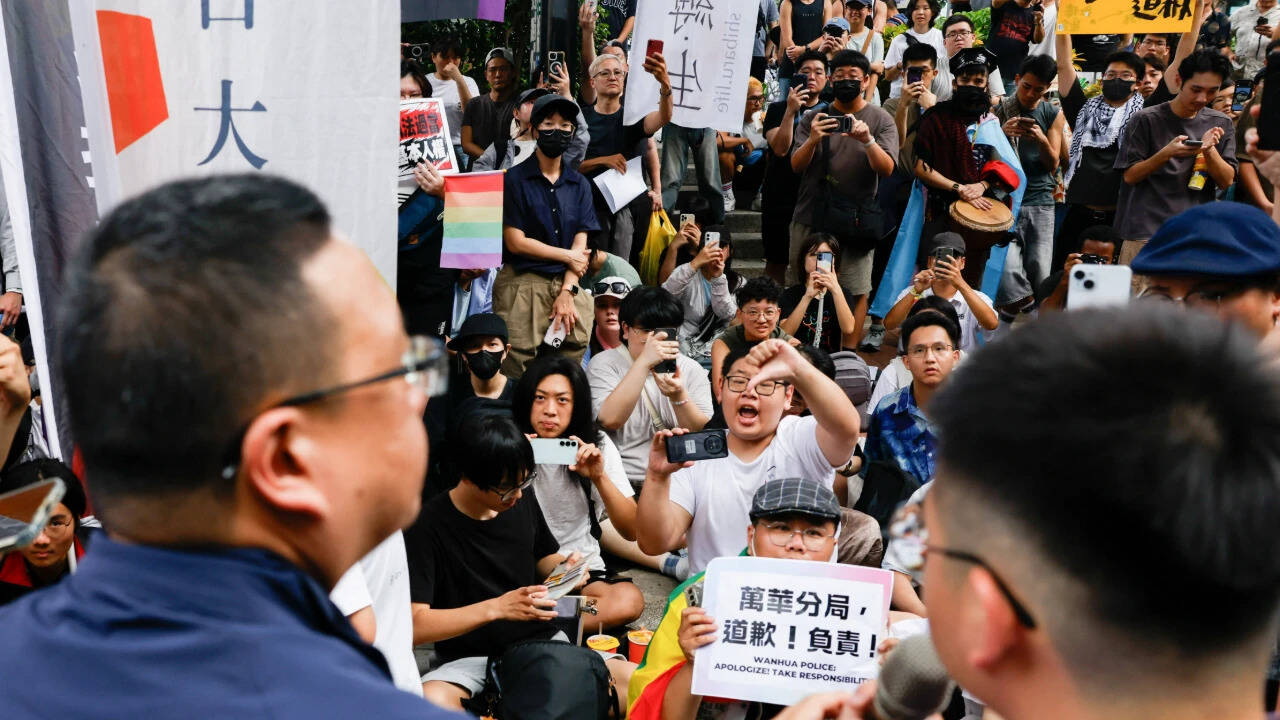
For a society that made history in 2019 by legalizing same-sex marriage, the raid felt like a massive betrayal. Protesters didn't wait long to mobilize. Roughly 100 members of Taipei's queer community gathered outside the local police precinct, chanting slogans and voicing raw anger over what they described as state-sanctioned harassment.
The Political Pressure Behind the Raid
You have to look at the local political ecosystem to understand why this happened now. Commander D had recently caught the eye of city officials after a Taipei city councillor raised alarms about alleged underage customers entering nightlife venues. The councillor published interior photographs and accused the bar of exposing minors to inappropriate activities.
That complaint landed squarely on the desk of Taipei Mayor Chiang Wan-an, who ordered an immediate investigation. Mayor Chiang belongs to the opposition Kuomintang party and faces an upcoming election next month. In a high-stakes political race, conservative pressure on moral decency issues often forces municipal authorities to overcorrect.
The venue flatly denied any systemic failure in age verification. Management insisted they maintain strict ID checks at the door and that intimate interactions among consenting adults inside a private venue constitute personal behavior, not public indecency. Yet, police bypassed nuance, executing a high-profile raid that felt designed to grab headlines rather than solve a targeted crime.
Cracks in the Asian LGBTQ+ Pioneer Narrative
Taiwan loves to market itself as the beacon of sexual minority rights in East Asia. Millions travel to Taipei every autumn for its massive Pride celebrations, and municipal leaders frequently pose with rainbow flags to court international tourism and liberal votes.
Saturday's raid exposed the fragile reality beneath that shiny public relations veneer.
When police detained dozens of patrons for getting undressed in a queer venue, they relied on vague legal tools leftover from a conservative past. These laws give law enforcement massive discretion to crack down on any expression of sexuality that makes traditional authorities uncomfortable.
One detained patron told reporters that officers acted aggressively, creating an atmosphere of sheer panic. Another protester pointed out the glaring irony of police targeting queer venues right as the city prepares to host one of the largest Pride events in the region.
Commander D has operated in broad daylight for over a decade. It's a staple of Taipei's underground and mainstream queer network. Treating its patrons like common criminals under the guise of public morality signals that legal marriage equality hasn't dismantled systemic prejudice within police departments.
What This Means Moving Forward
If you're paying attention to civil liberties in East Asia, this incident serves as a stark reminder that legal milestones don't automatically rewrite police culture. Law enforcement agencies still operate with immense leverage under public decency statutes that have no place in a modern, pluralistic democracy.
Local activists are demanding strict accountability from Mayor Chiang's administration. They want clear boundaries drawn between legitimate regulatory oversight and homophobic harassment. If city officials think they can sweep this under the rug with vague statements about respecting pluralism while officers raid gay bars on the eve of Pride, they're miscalculating the anger of a community that refuses to be tokenized.
Protecting queer spaces requires constant vigilance. When the state decides that bodily autonomy inside a private club violates public morality, every progressive gain is up for grabs. Keep your eyes on Taipei's upcoming elections. The response from voters will show whether political leaders can get away with turning back the clock on human rights.