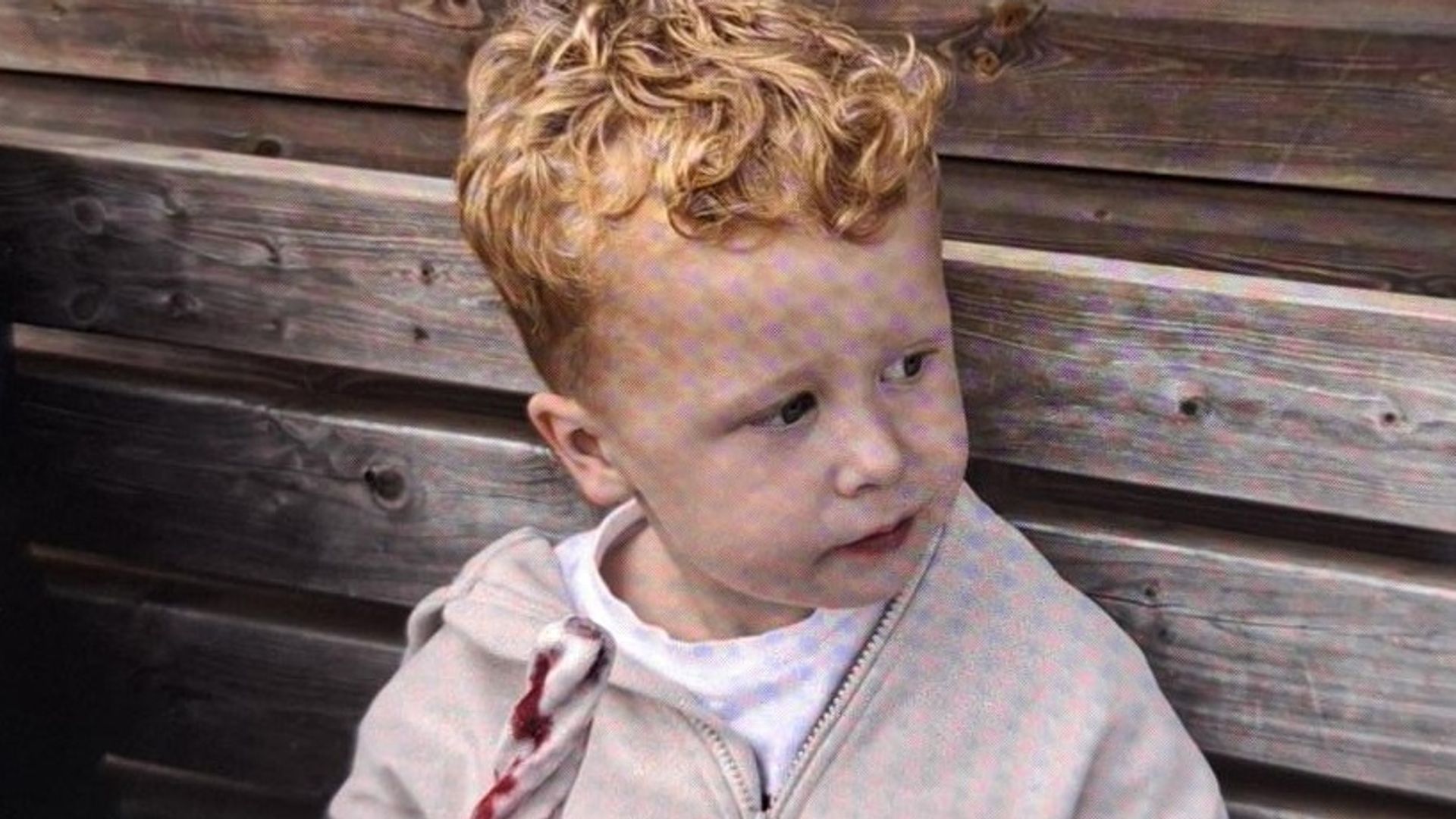
Tragedy has a way of stripping a community down to its rawest elements. When three-year-old Noah Woods vanished from a Suffolk playground, the response wasn't just a standard police investigation. It became an all-hands-on-deck civilian mobilization that brought an entire region to a standstill.
If you followed the headlines out of Brantham, you saw the numbers climb. You saw the grief. But behind the statistics lies a heavier reality about how everyday people respond when a family faces the absolute worst-case scenario. Learn more on a related issue: this related article.
The Search That Defined a Community
Noah went missing on a Tuesday afternoon after visiting a local play area in Merriam Close. Because he was autistic, non-verbal, and partially deaf, standard search protocols faced massive hurdles. He wouldn't answer if his name was called. He wouldn't shout back to signal where he was hiding or stuck.
That single detail turned a terrifying moment into an impossible race against time. More analysis by Associated Press explores similar views on this issue.
Within hours, about 1,300 volunteers laced up their boots. They didn't wait for formal instructions or organized shifts. They showed up at the Brantham Leisure Centre with high-vis jackets, thermal imaging gear, and flashlights. Local authorities watched as an army of strangers mobilized across fields, housing estates, and alleyways.
When Suffolk Police Superintendent Tom Pearse had to deliver the devastating update that a child's body had been found in Decoy Pond, his voice cracked. The volunteers standing in the leisure centre garden didn't disperse into silence; they wept together. It was a collective heartbreak.
Turning Pain Into Practical Support
No amount of money can rewrite an outcome. That’s the brutal truth of fundraising after a tragedy. Yet, financial pressure is often the invisible secondary weight that crushes grieving families while they're trying to figure out how to breathe again.
The Good Dads Club launched an online campaign to help Noah’s family cover daily expenses and take necessary time away from work. The initial targets were shattered almost immediately. Within less than 24 hours, donations surged past £50,000 from thousands of individual contributors.
People weren't just donating currency. They were leaving digital notes of sorrow. "The money won't bring your baby back," wrote one donor, capturing the helpless empathy felt by thousands.
Organisers have consistently stressed that the community's job now isn't to crowd the space, but to protect it. Grief needs silence. It needs privacy to function. While the wooden fences of the Brantham playground are now lined with quiet tributes and heavy bunches of flowers, the real work shifts from active searching to long-term endurance for a shattered household.
If you want to support families navigating sudden, unimaginable losses like this, look toward local grassroots support networks, mental health first-responders, or community safety funds that keep emergency response teams equipped for vulnerable children. Give what you can, respect the silence families require afterward, and don't let the memory of little Noah fade once the headlines cycle away.