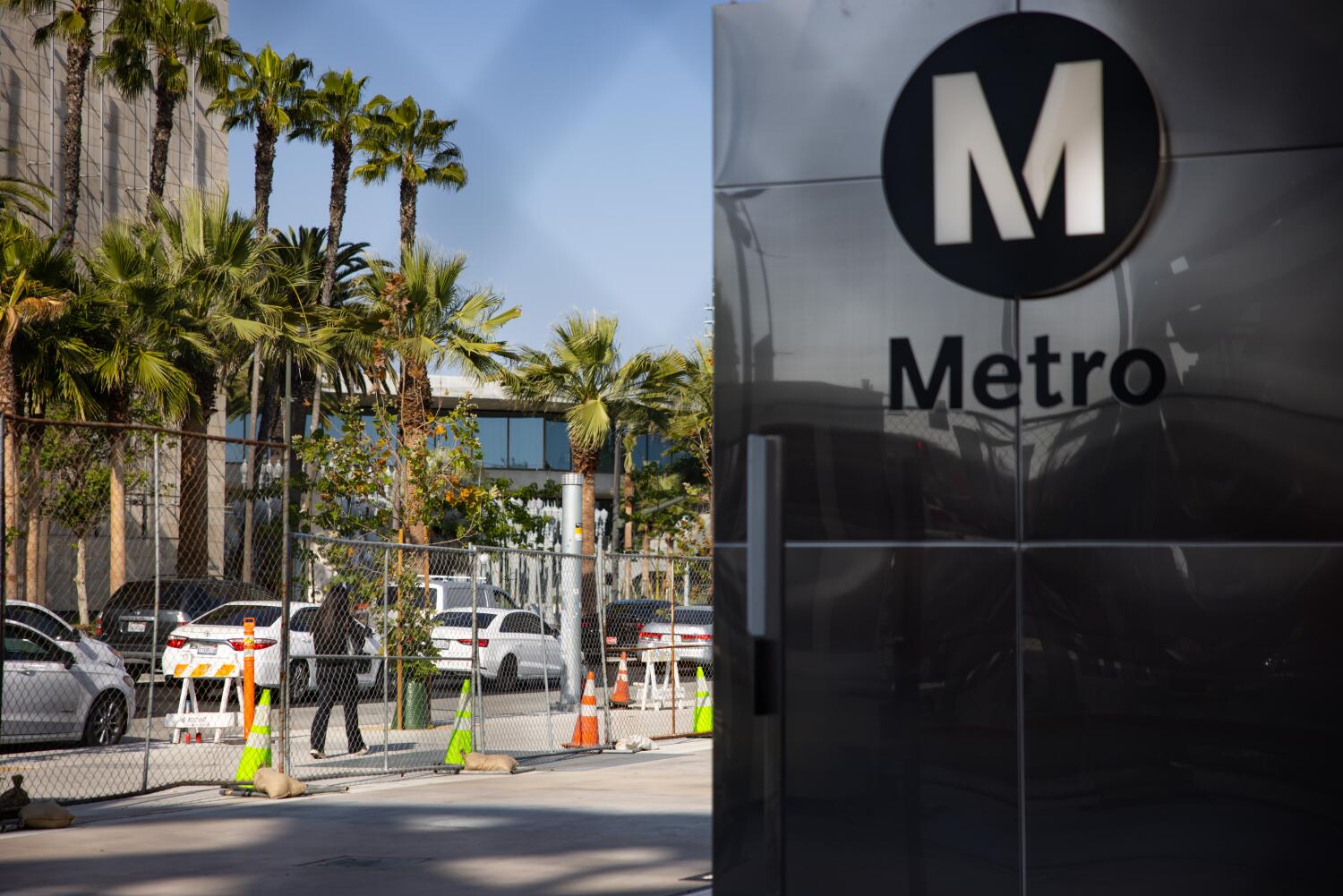
Los Angeles is spending billions of dollars on train tracks and subway tunnels that people just are not using the way planners hoped. We hear the same excuse over and over again from city officials. They claim that if we just build more lines, complete the Purple Line Extension, or finish connecting the airport, drivers will finally ditch their keys.
It is a fantasy.
The biggest hurdle for mass transit in Los Angeles isn't a lack of tracks or funding. It is a fundamental shift in how we live, work, and move. For nearly a century, urban planners designed public transit around one specific concept: the traditional work commuter. That person wakes up in a suburb, travels to a central downtown core at 8:00 AM, and goes back home at 5:00 PM.
That version of Los Angeles is dead.
Why Commuter Habits Left Metro Behind
The reality hitting the Los Angeles County Metropolitan Transportation Authority (Metro) is simple. Remote work is no longer a temporary pandemic fix. It is a permanent fixture of our local economy.
When you look at the letters written by daily Angelenos to local newspapers, the sentiment is incredibly clear. Remote work has become the absolute cheapest and most efficient mobility option available. Why would someone pay to sit on a train or a bus for an hour when their kitchen table requires zero travel time?
According to data from the U.S. Census Bureau and economic tracking from places like the Public Policy Institute of California, work-from-home rates in major California metro areas have stabilized at levels nearly triple what they were a decade ago. This has fundamentally broken the financial and ridership models of our transit system.
Our trains were built for a centralized workforce. But Los Angeles is a decentralized sprawling web of multiple mini-centers. People do not just commute from the Valley to Downtown anymore. They work from home in Pasadena, buy groceries two miles away, and meet friends in Santa Monica. The traditional hub-and-spoke transit model cannot serve that kind of life effectively.
The Cost Factor Planners Ignore
Building massive rail infrastructure takes a long time. It also costs an eye-watering amount of money. The Regional Connector project, which finally linked several rail lines through Downtown LA, cost over $1.8 billion for less than two miles of new track.
While Metro pours money into concrete and steel, the modern resident is looking at a different math equation.
- The true cost of a train ride: It isn't just the $1.75 fare. It is the twenty minutes spent walking to the station, the fifteen-minute wait on the platform, and the extra bus transfer at the end. Time is money.
- The remote work discount: Staying home costs nothing in transit fares, zero in gas, and saves hours of stressful travel every single week.
Planners keep waiting for traffic to get so terrible that people feel forced onto the trains. What they did not see coming was that white-collar workers found a third option. They just stopped traveling to the office altogether.
Safety and Comfort are Non-Negotiable
We need to talk about the elephant in the train car. Even if a route is convenient, people will choose their cars if they do not feel safe on public transit.
Metro has made recent pushes to increase security, adding more law enforcement officers and transit ambassadors to platforms. Yet, local rider surveys continually show that safety concerns remain a primary reason why choice riders—people who own cars but could choose to take the train—stay away.
A car offers a locked door, climate control, personal space, and predictability. To convince someone to give that up, a transit system cannot just be cheaper. It has to offer a comparable level of dignity, cleanliness, and safety. Right now, Metro struggles to compete on those basic human requirements.
How to Fix a System Built for the Past
If commuter habits have permanently changed, our transit strategy must change too. We cannot keep building infrastructure for an 8-to-5 workforce that no longer exists.
First, Metro needs to pivot toward local, neighborhood-focused transit rather than massive regional commuter rail. We need high-frequency, reliable bus networks that help people run errands, visit doctors, and travel within their own communities.
Second, the city must stop treating transit as a standalone issue. It is a housing issue. If we do not zone for dense, affordable housing directly on top of our existing transit stations, the trains will remain empty. People need to live next to the transit lines to actually use them for everyday life, not just for work.
Finally, we have to optimize the infrastructure we already have. Instead of breaking ground on hyper-expensive new rail lines that won't open for a decade, we should invest in dedicated bus lanes that can be painted onto existing streets next month. They are cheap, fast to build, and immediately cut down travel times for the millions of working-class Angelenos who rely on buses every single day.
The era of the heavy commuter transit system in Los Angeles is over. It is time to start building a system that fits the decentralized, flexible reality of how Angelenos actually live today.