No new deal was agreed on at the COP31 climate summit in Antalya, Türkiye, ending nearly two days of grueling overtime on Sunday without a cover pact. For the first time since Copenhagen in 2009, the annual UN climate conference walked away empty-handed after countries clashed over whether to drop explicit language calling for a transition away from fossil fuels.
Honestly, it's hard not to feel whiplash watching nearly two hundred nations argue for weeks only to leave with zero consensus. Draft text released over the weekend scrubbed direct references to fossil fuels and leaned on vague nods to earlier agreements, which set off a bitter standoff. Countries like Russia and Saudi Arabia pushed to keep fossil fuel phase-out language out of the text, while the European Union, the United Kingdom, Panama, and other members of a broad coalition refused to sign off on a climate pact that wouldn't name the main driver of global warming.
Because UN climate decisions operate by consensus, a single bloc holding out stops the gavel cold. After roughly 50 hours past schedule, COP31 President Murat Kurum and negotiation co-lead Chris Bowen had to admit the room couldn't reach agreement on the cover decision.
Why COP31 Deadlocked Over Fossil Fuels
The fight wasn't just semantic. It was a collision between political survival, energy security jitters, and basic climate math.
Back at COP28 in Dubai in 2023, countries agreed to "transition away from fossil fuels" in energy systems. That line was a milestone at the time, even with all its loopholes. In Antalya, the draft text pointed back toward prior decisions in a general way rather than squarely recommitting to moving off coal, oil, and gas, while highlighting technologies like carbon removal and acknowledging that warming is set to cross 1.5°C above preindustrial levels in the near term.
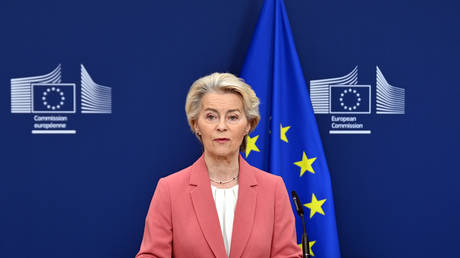
To the EU and its allies, approving a deal that avoids naming fossil fuels felt like erasing reality. Irish Climate Minister Darragh O'Brien called it unconscionable on behalf of the EU to adopt a climate text that omits fossil fuels, and other delegates warned against greenwashing or opening doors to technologies that might prolong fossil fuel use instead of cutting emissions fast.
Meanwhile, energy markets were already on edge. A global energy shock tied to the war in Iran, combined with a strong El Niño amplifying extreme weather, made short-term fuel supply a live political nerve. To make matters more pointed, reports during the summit noted the US, China, and Russia discussing plans in Shenzhen to boost refined petroleum output, while the US stayed out of the UN talks for a second straight year following the Trump administration's exit from the Paris Agreement.
From a negotiation standpoint, I've seen enough high-stakes policy talks to know that when core economic interests collide with headline language, late-night text swaps rarely solve the root disagreement. You can wordsmith a paragraph ten different ways, but if one side sees an existential threat to its revenue model and the other sees an existential threat to its survival, a compromise draft often pleases nobody.
What Developing Nations Actually Needed Most
Focusing solely on the fossil fuel showdown misses a huge piece of why the room fractured. For many developing nations, money—not phrasing—was the real breaking point.
Plenty of vulnerable countries backed the push for stronger climate ambition, yet several didn't block the text on fossil fuel wording alone because their immediate crisis is financial. High debt burdens, lingering inflation pressures, and severe weather damage from a supercharged El Niño have strained national budgets to the breaking point. Many governments are diverting funds meant for schools and clinics just to repair washed-out roads, lost harvests, and storm damage.
At COP29 in Baku, wealthier nations committed to scaling climate finance to $300 billion a year by 2035 from public sources and mobilizing $1 trillion overall, alongside earlier pledges around adaptation and loss-and-damage support. In practice, money has moved slowly, and access rules often feel tangled and slow. When African ministers and other developing-nation representatives pressed for real follow-through—including tripling adaptation finance—many felt sidelined.
Australia, serving as negotiation president alongside Türkiye, drew sharp criticism for brushing off finance demands early on with the line that this wasn't a "finance COP." Technically, each summit has its own focal track. Politically, telling cash-strapped countries dealing with climate disasters right now to wait for another venue is a fast way to lose trust.
Does No Deal Mean Climate Action Stops
No. A failed cover decision at COP31 is a real blow to diplomatic momentum, especially with global greenhouse gas emissions hitting fresh highs and scientists warning that crossing 1.5°C is imminent. Still, the collapse of one summit doesn't erase existing international treaties or halt real-world energy shifts.
The Paris Agreement and prior COP decisions remain legally and politically in place, even when a specific summit ends without a new package. As international environmental law scholar Lavanya Rajamani noted in coverage of the breakdown, the gap between climate science and political willingness has widened sharply, putting enormous strain on a consensus system that requires near-total agreement.
At the same time, policy and markets don't wait for UN gavel drops. Solar, wind, battery storage, and grid upgrades keep scaling in places where economics and energy independence favor them, while lawsuits, corporate disclosures, and national climate laws continue to shape investment. Even so, losing a clear global signal at COP31 makes coordination harder—especially for smaller and poorer nations that rely on international backing to adapt.
Let's be real about the consensus rule itself. Requiring unanimous buy-in from nearly 200 countries with wildly different economies gives fossil-fuel exporters and holdouts massive leverage to water down language or block progress altogether. Critics have debated consensus reform for years, yet changing the rules also requires consensus, which keeps the process stuck in a familiar loop.
Common Myths About COP31 Breaking Down
- A COP without a deal cancels the Paris Agreement. Not true. The Paris Agreement stands on its own; COP31's deadlock means no new overarching cover decision was adopted for this meeting.
- Only rich countries care about fossil fuel language. Small island states, least developed nations, and major blocs like the EU all pushed back when fossil fuels vanished from the draft, though priorities vary between emission targets, adaptation cash, and loss-and-damage aid.
- Fossil fuels are already finished tomorrow morning. That's wishful thinking. Global oil, gas, and coal demand still moves billions of tons of freight, heats homes, and powers industry, which is why cutting them quickly requires both tough policy and practical alternatives.
Practical Next Steps After COP31
If you're tracking this as a business leader, policymaker, investor, or just someone trying to cut through the noise, don't wait around for the next UN summit to figure out your next move.
- Audit your energy and supply-chain exposure now. Geopolitical shocks and extreme weather are hitting logistics and power costs directly, regardless of what happens in UN plenary halls. Map where your operations or portfolios depend on volatile fuel markets or climate-exposed regions.
- Follow national laws and capital flows, not summit press releases. Track concrete rules in your own jurisdiction—like grid permitting, clean-tech incentives, procurement standards, and insurance availability—because those drive near-term costs and opportunities far faster than non-binding communiqués.
- Read primary texts and credible analyses. When headlines say a summit "failed," check what actually broke down: cover decisions, finance tracks, adaptation pledges, or technical rules. Outlets like the UN Climate Change portal and reporting from PBS NewsHour and The Guardian help separate diplomatic drama from actual policy shifts.