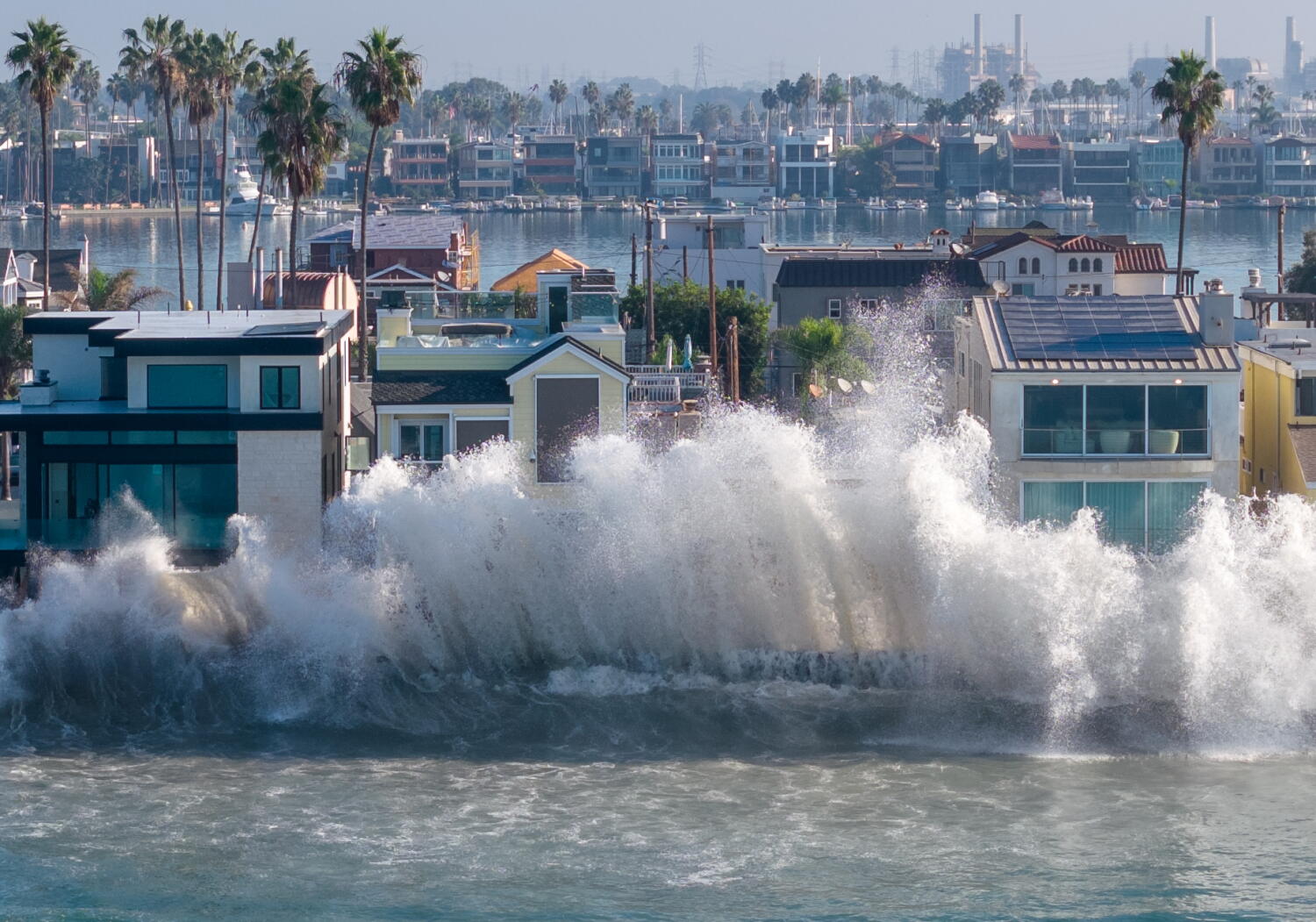
COP31 climate talks collapsed on Sunday in Antalya, Turkiye, after two weeks of grueling negotiations and two extra days of overtime failed to produce an overarching deal. Nobody left the hall celebrating. UN Secretary-General António Guterres called the breakdown deeply disappointing, echoing the frustration of climate negotiators, Pacific island delegates, and vulnerable nations who watched a flagship climate summit unravel in real time.
So what actually broke the talks? At its core, COP31 hit a wall over whether the final text would explicitly name fossil fuels as a primary driver of global warming, while also gutting key adaptation funding expectations and acknowledging an overshoot past the 1.5 degrees Celsius mark from the Paris Agreement. It is the first time the annual UN climate summit has ended without an overarching agreement since Copenhagen in 2009.
If you follow climate diplomacy closely, you know how familiar this script feels. Every year, countries promise that this time will be different. Every year, consensus rules hand a veto to anyone determined to protect the status quo. Honestly, watching two days of overtime end in a gavel bang without a cover decision feels less like a surprise and more like a reckoning long overdue.
Why COP31 Climate Talks Ended in Collapse
Unanimous consensus sounds noble on paper. In practice, it turns multilateral climate summits into hostage negotiations. Because every party must sign off on a cover decision, a handful of major oil- and gas-producing nations objecting to the phrase "fossil fuels" was enough to stall the entire room.
Draft texts that strip out plain language about coal, oil, and gas aren't neutral compromises. When a summit explicitly designed to carry forward global climate action cannot even utter the words fossil fuels, delegates from the European Union, the United Kingdom, and vulnerable nations see a retreat rather than a bridge. As reported by UN News, Guterres stressed after the breakdown that while consensus failed in the negotiating room, there is no ambiguity in the science.
Another flashpoint was money and fairness. Reports from the talks indicate the revised draft dropped a $120 billion target for adaptation funds aimed at helping poorer nations cope with climate impacts, while omitting specific recognition of Africa's distinct circumstances. For countries already absorbing brutal heatwaves, floods, and rising seas, walking away with weaker language and thinner financial commitments wasn't a tough compromise. It was a non-starter.
When a climate summit drops adaptation targets and avoids naming fossil fuels, vulnerable nations aren't being stubborn by walking away. They're refusing to sign off on their own exposure.
The Fossil Fuel Veto vs. Scientific Reality
Here is the real tension that split Antalya down the middle. Major fossil fuel exporters such as Saudi Arabia and Russia argued against language restricting or singling out oil and gas, warning about energy security, fuel costs, and risks to poorer households if supply tightens. Meanwhile, the EU, UK, and frontline states insisted that omitting fossil fuels pretends the elephant isn't standing on the negotiating table.
Having tracked climate negotiations for years, I see this exact split play out again and again. Petrostates frame rapid curbs on hydrocarbons as a threat to economic stability and energy access. Climate-vulnerable states and European negotiators point out that delaying the shift away from fossil fuels guarantees worse storms, crop losses, and higher long-term costs. Both sides talk about protecting people, yet they start from completely opposite premises.
What Happens to the 1.5°C Goal Now
The draft text in Antalya would have acknowledged for the first time that global warming is on course to overshoot the 1.5 degrees Celsius threshold established in the 2015 Paris Agreement. That acknowledgment matters because it shifts the conversation from preventing overshoot to managing how high temperatures climb and how long they stay there.
Yet a failed cover decision doesn't erase existing treaties or physical physics. The Paris Agreement still stands, national pledges still exist, and greenhouse gases in the atmosphere don't pause for diplomatic stalemates. What COP31's collapse really exposes is the gap between incremental diplomatic wording and the speed of real-world emissions.
How Countries and Blocs Reacted Across the Hall
Reactions after the collapse were sharp, personal, and divided along familiar fault lines. Rather than a unified closing statement, delegates offered starkly different diagnoses of what went wrong.
Guterres voiced profound frustration that governments didn't rise to the moment, taking aim at fossil fuel interests accused of distorting science, delaying policy, and putting profits ahead of urgent action. You could hear the weariness of a UN chief nearing the end of his tenure who has spent years urging leaders to move faster while emissions keep climbing.
European and British officials drew a hard line against backsliding. The EU refused to endorse a deal that leaves out fossil fuels or moves negotiations backward, with Danish climate minister Samira Nawa pointing to weak mitigation and insufficient scientific strength in the text. UK lead negotiator Kate Hughes similarly argued the draft moved negotiations backward on the science and missed the scale of the crisis.
For the Least Developed Countries group, representing 44 nations and more than a billion people across places like Bangladesh, Nepal, the Democratic Republic of the Congo, Tuvalu, and Kiribati, the outcome felt like another round of broken promises. Delegations from the Marshall Islands and Vanuatu made clear they wouldn't accept text that sidelines fossil fuels or treats climate overshoot as an excuse to expand oil and gas. Kenya's delegation also pushed back over the lack of specific attention to Africa's needs.
Co-presidents Murat Kurum of Turkiye and Chris Bowen of Australia struck different notes as the summit wrapped. Kurum argued negotiators shouldn't get hung up on a single word or phrase at the expense of a result, stating no new text would be pursued without consensus and pointing back to existing decisions. Bowen called the collapse very disappointing while noting real progress outside the main deadlock, including more than 90 countries signing an electrification pledge and clean energy momentum building elsewhere.
Surprising Details Behind the Breakdown
Most headlines focus on the dramatic collapse at the finish line, which is fair enough. Still, a few details beneath the surface tell a bigger story than a simple "talks failed" headline.
First, side agreements and sectoral pledges don't automatically die when a cover decision fails. Even when negotiators can't agree on a sweeping political text, coalitions still form around grids, clean tech, and specific initiatives. A summit can fail on headline consensus while still generating technical movement—though critics rightly argue voluntary side pledges can't substitute for binding global ambition.
Second, geopolitical absences shape the room before a single draft is debated. For instance, reporting from CBS News noted that the United States sent no representatives for a second consecutive year following the Trump administration's withdrawal from the Paris Agreement. When major emitters sit out or pull in opposite directions, building unanimous consensus becomes exponentially harder.
Third, there is a big misconception that a collapsed COP means climate action stops on Monday morning. In reality, climate policy is increasingly driven by industrial competition, falling solar and battery costs, domestic laws, and municipal and corporate execution. Diplomatic deadlocks slow down coordinated global ratcheting, which hurts, especially for poorer nations needing international finance—but they don't freeze the real economy.
Practical Next Steps After COP31
If you're trying to make sense of what this breakdown means for policy, business, or everyday planning, don't wait for the next UN summit to figure out your next move.
- Track domestic laws and national pledges over summit headlines. Watch how individual countries enforce existing commitments, grid rules, and industrial targets rather than relying solely on annual UN cover texts.
- Separate finance flows from political rhetoric. If you work in climate adaptation, infrastructure, or development, pay close attention to multilateral banks, loss-and-damage mechanisms, and bilateral funding where money actually moves.
- Evaluate energy and supply chain risk practically. Whether you run a business or manage household energy costs, look at real-world price volatility, electrification trends, and extreme weather exposure in your specific region.
- Verify claims against primary sources. During high-stakes diplomatic breakdowns, spin moves fast on both sides. Cross-check quotes and draft details against official UN updates and reputable wire reporting.
COP31 ended without a deal, leaving hard questions about whether consensus-based climate summits can still deliver at the speed the crisis demands. Real progress now depends on what governments, cities, and markets do when the cameras leave Antalya.