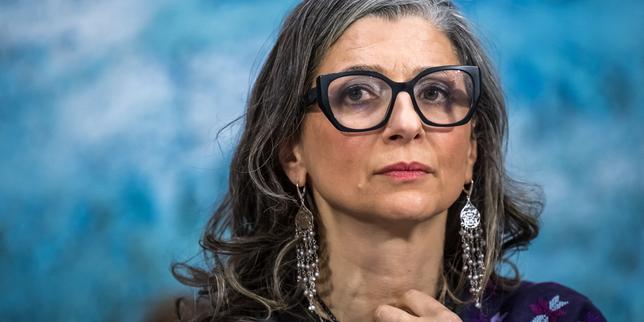
International diplomacy rarely moves in a straight line, but few recent events have sparked as much sudden friction as Costa Rica's decision to block Francesca Albanese, the United Nations special rapporteur on the occupied Palestinian territories, from entering the country. When a nation long celebrated for its human rights posture abruptly slams the door on a high-ranking international investigator, people take notice.
Let's break down what actually happened at San José's international airport, why it matters right now, and the heavy geopolitical ripples echoing across Latin America and global institutions.
What Triggered the Entry Ban in San José
Francesca Albanese landed in Costa Rica with a specific, non-political agenda: she was invited by the public University of Costa Rica to receive an honorary doctorate. Instead of a campus welcome, immigration authorities detained her arrival.
The government justified the block by claiming an international alert linked her to alleged terrorist acts. That justification immediately drew fierce pushback from legal experts, civil rights advocates, and local politicians. Critics inside the country pointed out the lack of transparency, while domestic lawmakers from across the political spectrum questioned whether the sudden policy shift violated basic legal frameworks.
The public University of Costa Rica quickly expressed deep regret over the decision, demanding the legal basis for blocking an academic guest. Meanwhile, local political forces filed a habeas corpus petition, prompting the Constitutional Chamber to step in and order that Albanese not be arbitrarily expelled while the case is reviewed.
Shifting Diplomatic Winds in Costa Rica
This incident didn't happen in an isolated vacuum. Just days prior to the airport standoff, Costa Rican diplomats had already signaled a distinct pivot in international bodies. The nation abstained from multiple United Nations General Assembly votes concerning Israel and the occupied territories—a noticeable departure from its previous voting record backing similar resolutions.
Observers have tied these diplomatic adjustments to complex regional pressures and high-stakes international positioning. For instance, Costa Rica recently nominated Rebeca Grynspan to run for the next UN Secretary-General position, a candidacy that has steadily drawn scrutiny and political maneuvering in Washington and beyond. When domestic foreign policy shifts align with high-profile international security claims, the friction is bound to spill over into public view.
The Broader Fallout for International Experts
Independent mandates under the UN human rights system rely heavily on freedom of movement to document conditions on the ground. When host governments begin weaponizing security alerts or immigration blocks against international rapporteurs, the precedent sets off alarm bells among human rights defenders globally.
Former Costa Rican UN experts have noted that barring an official investigator holding a UN mandate is unprecedented for a country that prides itself on democratic traditions and multilateral engagement. The move puts local officials in an awkward spot, forcing them to balance foreign relations against domestic constitutional guarantees and academic freedom.
If you are following international law or diplomatic trends, watch how the Costa Rican Constitutional Chamber rules on the pending legal motions. This case tests how far a sovereign state can go in restricting independent international monitors under the guise of security alerts.
Take a close look at how regional alliances shift under pressure. The fallout from this airport standoff will likely shape UN debates for months to come.