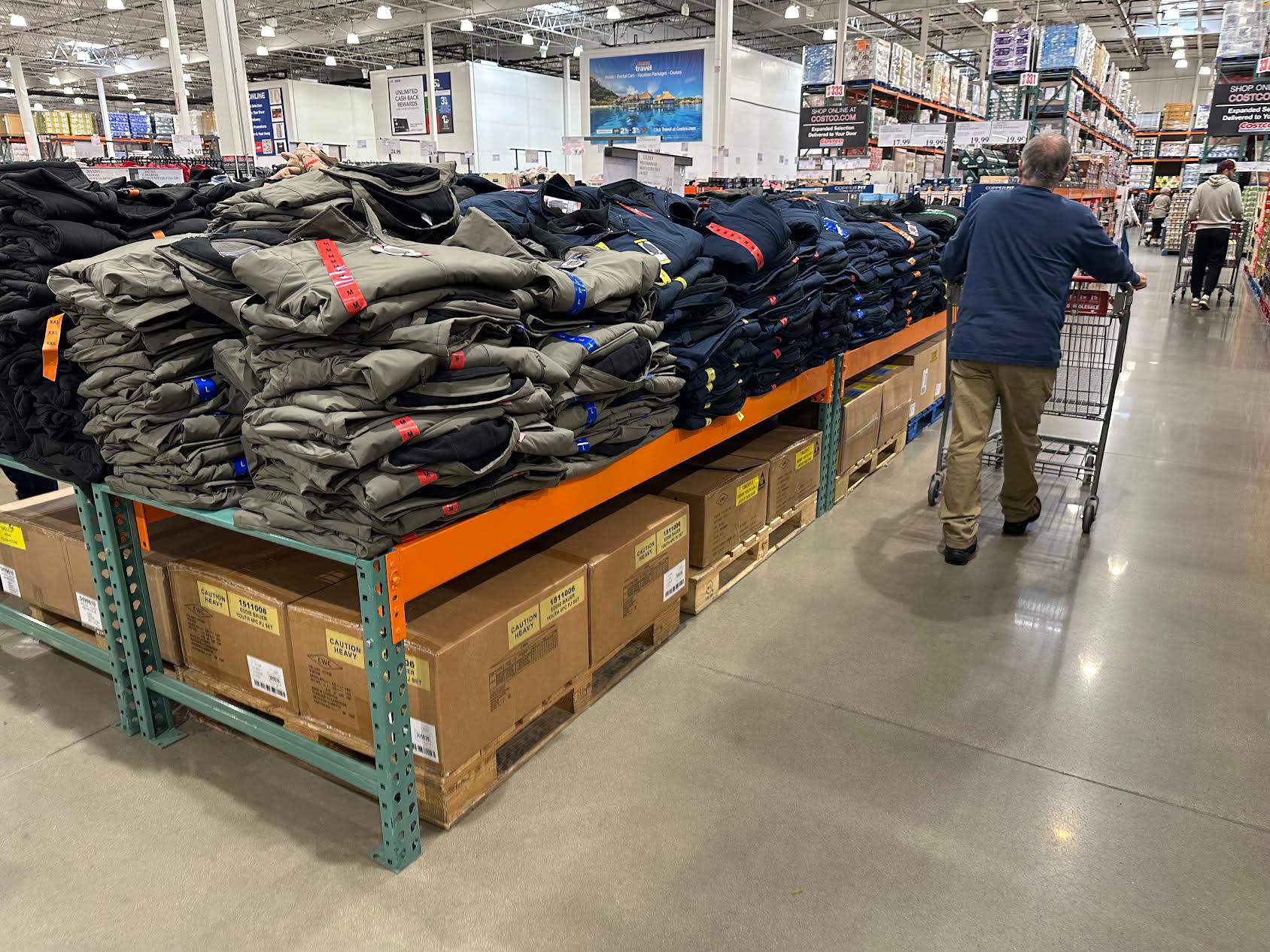
You walk into a massive warehouse, grab a flatbed cart, and dodge aggressive pallet jacks. You hear the ambient clatter of forklifts, the hum of giant industrial freezers, and the aggressive chatter of cash registers. What you never hear is background music. No pop hits, no soft jazz, no holiday tunes.
Costco stores operate in total acoustic silence for a very specific reason, and it goes way beyond simple corporate preference. It boils down to a relentless obsession with cutting overhead costs to keep prices rock-bottom.
The Real Cost of Playing Pop Hits
Most people assume retail stores just flip on a radio or stream a playlist for free. They don't. Playing commercial music in any public business requires paying performing rights organizations, such as SOCAN in Canada or ASCAP and BMI in the United States.
Artists and songwriters deserve compensation when their labor drives an enterprise. When you run a commercial space, playing music is considered a public performance. Governing bodies calculate these fees using strict formulas. Dance clubs pay top dollar because music is the product. Hair salons and local cafes pay smaller tiers based on square footage or seating capacity.
Scale that up to a typical warehouse footprint, and the math changes fast.
The Warehouse Math Problem
A standard Costco warehouse covers roughly 150,000 square feet. Some of the largest locations push past 240,000 square feet.
If you apply commercial music licensing tariffs to a sprawling retail space of that size, the annual fees add up to a massive corporate expense. Costco operates on razor-thin profit margins, often keeping markups on merchandise around 10 to 14 percent. Every single line item of overhead gets scrutinized. Paying tens of thousands of dollars every year just to pipe generic pop music through warehouse rafters goes against the entire business model.
Even the electronics section proves this point. When you walk past a wall of fifty flat-screen TVs playing movies or sports broadcasts, every single screen is completely muted. They use specialized looped demo feeds to avoid audio licensing traps and copyright fees.
The Psychological Advantage of Quiet
Avoiding licensing fees protects the bottom line, but silence brings unexpected retail psychology benefits too.
Traditional supermarkets use upbeat tempos or slow background melodies to manipulate how long you browse and how much money you spend. Grocery store trickery relies on audio pacing to make shoppers move slower or buy more impulse items.
Costco doesn't need audio cues to make you buy a bulk pack of paper towels or a giant tub of peanut butter. The warehouse layout changes constantly, the inventory rotates based on treasure-hunt logic, and the sheer scale of the building creates its own immersive energy. Shoppers don't need a soundtrack.
Skipping the background tracks saves money, eliminates bureaucracy, and keeps prices low on that hot dog and soda combo near the exit.