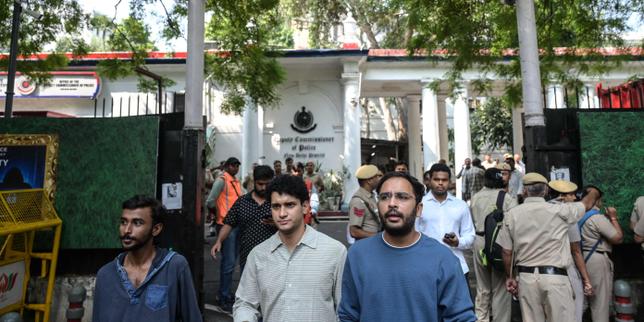
You can lock people behind bars, but you can't jail an idea born out of pure internet-fuelled frustration. In New Delhi, authorities just threw two primary leaders of the youth-led "Cockroach" movement back into detention, proving once again that heavy-handed tactics rarely crush political dissent. They usually pour gasoline on it.
If you've been watching Indian politics lately, you know the atmosphere is electric. Prime Minister Narendra Modi's administration, comfortably seated in power since 2014, is facing its most stubborn headache in years. It's not coming from traditional opposition parties alone. It's coming from a decentralized network of digital natives, students, and working-class youth who proudly wear a derogatory label tossed at them by their critics, turning the "Cockroach" moniker into an emblem of survival, resilience, and resistance.
The Anatomy of a Digital Uprising
Why call a political movement the "Parti du peuple cafard"? Because in political warfare, owning the insult strips it of its power. Born online and quickly spilling onto physical streets, this youth collective caught the establishment flat-footed. They aren't playing by the old rules of engagement. They use encrypted chats, viral memes, and rapid-response flash mobs that materialize before local police can map out a containment strategy.
The immediate trigger for the latest escalation isn't just general discontent. It's a direct brawl with the national election machinery. Protesters are demanding radical accountability and the resignation of key figures within the election commission, alleging that the democratic referee has turned into a player for the ruling party. When thousands tried to march last weekend, the police responded with mass arrests. Hundreds were hauled away in buses, and the prominent faces of the revolt found themselves isolated behind prison walls within hours of tasting brief freedom.
Why Locking Up Leaders Doesn't Work Anymore
Authoritarian playbooks rely on a simple assumption: chop off the head of the snake, and the body dies. But decentralized movements don't have a single head.
When state machinery targets high-profile organizers, two things happen immediately:
- Sympathy surges among moderates who previously sat on the fence.
- Local cells take autonomous action, making police surveillance a logistical nightmare.
By dragging these two leaders back into custody, the government is signaling strength. Honestly, it looks more like panic. You don't lock up student organizers if you're confident in your democratic mandate. You lock them up when you're terrified that a viral movement might disrupt your carefully scripted political narrative.
What Happens Next on the Streets
The crackdown has already triggered spontaneous walkouts across major university campuses and urban centers. The demand isn't complicated. People want transparent institutions, fair elections, and an end to what human rights observers term a sweeping democratic recession.
The administration can keep cycling these leaders in and out of jail cells. They can shut down internet nodes in select districts. But they can't unwrite the digital footprint of a generation that has decided it has nothing left to lose. The cockroaches keep crawling out of the woodwork, no matter how hard you stomp.