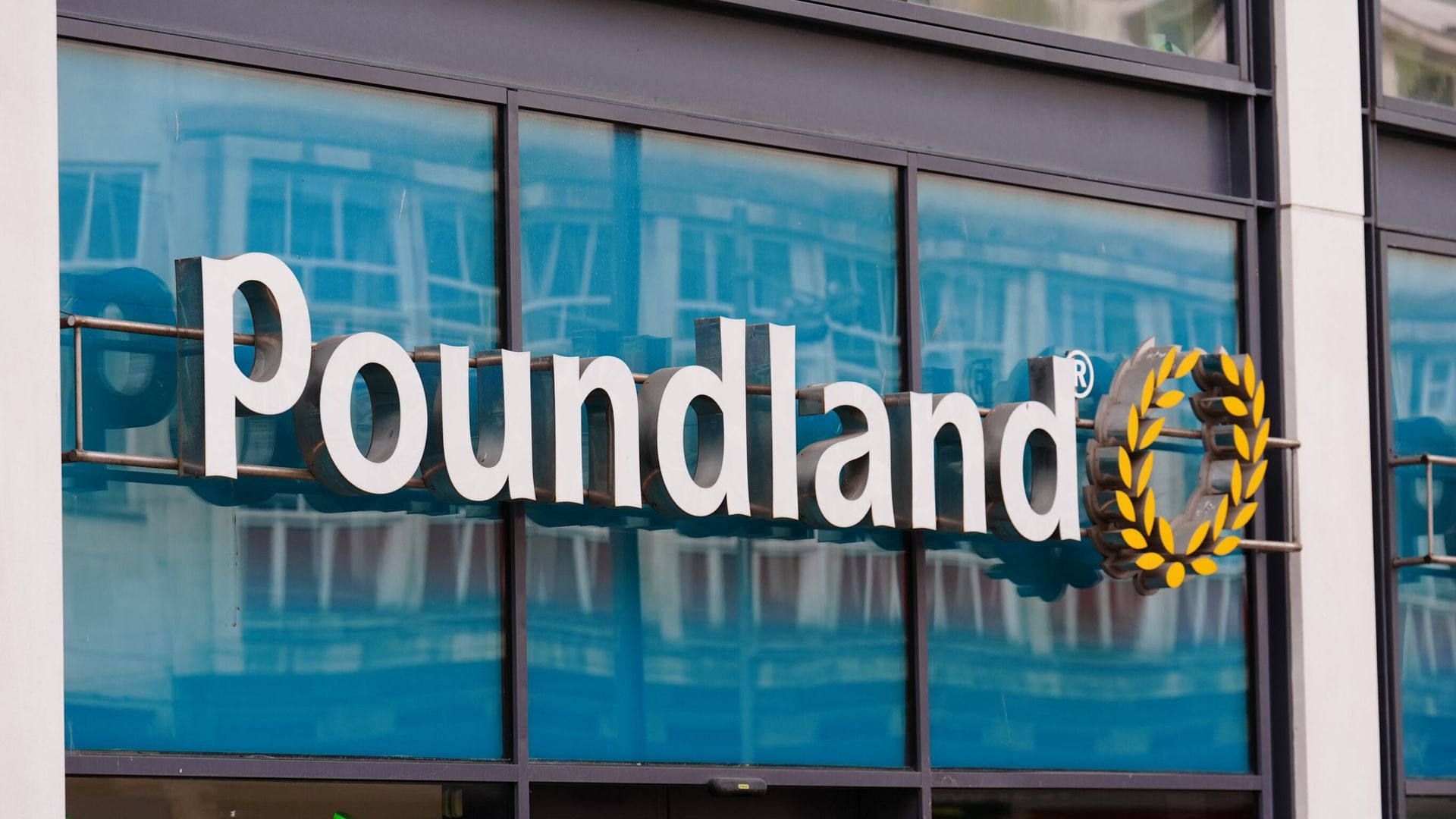
High street retail crises rarely stay contained within corporate boardrooms. When a giant like Poundland teeters on the edge of administration, the shockwaves hit suppliers, warehouse staff, and local communities first.
Right now, a major Poundland supplier is publicly demanding that the government launch a thorough state probe into the conduct of the discount retailer’s majority owner, Gordon Brothers. This escalating battle highlights deep-seated tensions over corporate stewardship, rejected rescue bids, and millions of pounds worth of inventory currently hanging in limbo.
If you’re wondering how a high-profile retail staple ended up in this position—and why trade creditors are crying foul—let's break down what's actually happening behind the scenes.
The Pressure Mounts on Gordon Brothers
US-based investment firm Gordon Brothers has faced a storm of criticism over its 16-month stewardship of Poundland. The private equity-backed owner defended its record, pointing to £85m of funding injected into the business.
Critics and suppliers aren't buying the PR narrative. Tensions boiled over after reports emerged that Gordon Brothers rejected viable solvent rescue offers to save the retailer, pushing the discount chain closer to collapse.
When a company files a notice to appoint administrators, it triggers a 10-working-day breathing space. But for suppliers who have poured stock into distribution centres across the UK, time is running out.
What Happens to the Suppliers?
Suppliers aren't just collateral damage in this corporate standoff. They have their own payrolls, financial commitments, and operational overheads to protect.
The core fear right now is twofold:
- Millions of pounds of stock have already been delivered to Poundland warehouses.
- In an administration or corporate break-up, suppliers face massive write-offs while trying to figure out who ultimately benefits from that inventory's value.
Industry voices argue that the economic damage of a Poundland break-up goes far beyond the headline-grabbing job numbers. It threatens the entire manufacturing and wholesale supply chain that keeps discount retail moving. Ignoring these downstream effects is a massive oversight.
Government Scrutiny and Public Interest
Ministers have faced mounting pressure to intervene or at least demand transparent explanations from Gordon Brothers regarding why potential rescue deals were turned down.
While industry leaders stop short of asking for government bailouts or taxpayers' money to rescue private equity firms, they insist that any official involvement must be rigorously scrutinised. Transparency isn't optional when thousands of jobs and millions in trade credit are on the line.
Gordon Brothers has repeatedly declined to comment on the mounting criticism, leaving stakeholders in the dark while political pressure intensifies.
What This Means Moving Forward
The ongoing fallout at Poundland serves as a stark reminder of the fragile dynamics within modern private equity ownership of legacy retail brands.
If you manage trade credit, supply goods to major high street chains, or track retail sector health, keep a close eye on how the government responds to these calls for investigation. The outcome won't just dictate the fate of a single discount brand—it will set a vital precedent for how corporate owners are held accountable when high street giants stumble.