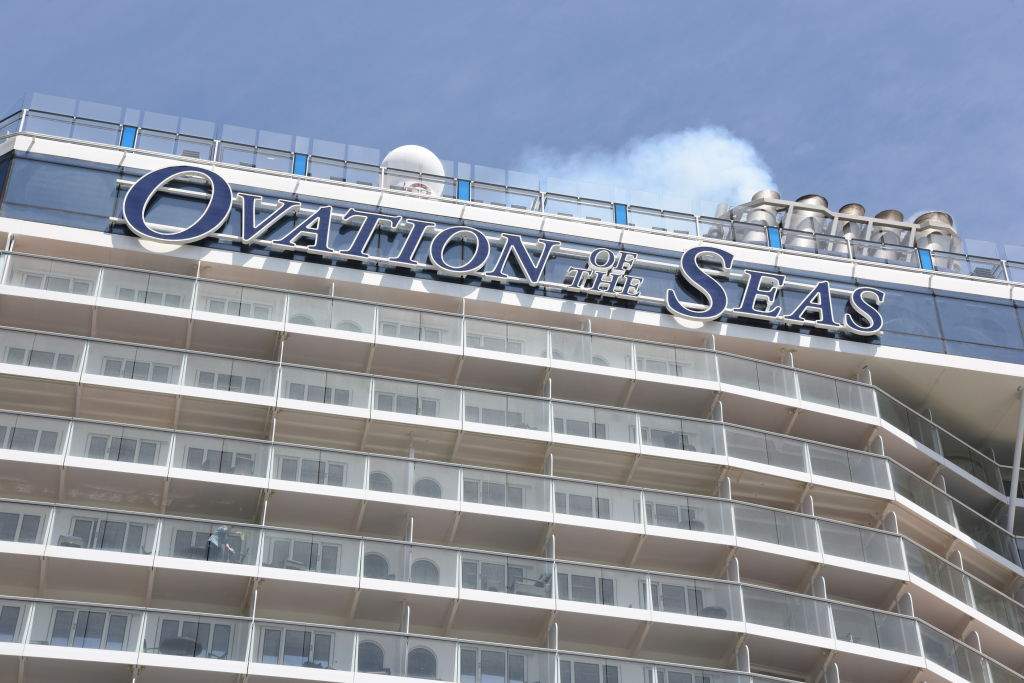
Surviving a fall from a massive cruise ship into the open ocean is nearly impossible. Doing it for nine hours and living to tell the tale sounds like something straight out of a Hollywood script. But for a crew member aboard Royal Caribbean's Ovation of the Seas, that nightmare became a reality off the coast of Southern California.
The unnamed pianist was pulled from the Pacific Ocean roughly 15 to 20 miles offshore, conscious, battered, and miraculously alive, thanks to a combination of sheer willpower, sharp-eyed local fishermen, and a massive stroke of meteorological luck.
The Accidental Discovery Off Catalina Island
The rescue unfolded when sport fishermen Sean Norton and Grant Garrett were heading back from a marlin fishing excursion near Catalina Island. They weren't looking for survivors. They were just scanning the open water on their return trip when Garrett spotted something unusual bobbing in the swells.
At first glance, open ocean debris is common. Then they realized it was a human head.
"I'm like, 'Yeah, it's a human being. Stop the boat; let's get all of our lines in,'" Garrett recalled to CBS News.
When they hauled the man aboard, he was in total shock and exhausted from hours of fighting the water. The fishermen quickly placed an emergency maritime radio call, bringing Newport Beach lifeguards out to meet them and transfer the survivor to a hospital. Doctors confirmed he was in stable condition and expected to survive.
Why the Odds Were Stacked Against Him
Falling off a 14-deck cruise ship like the Ovation of the Seas is lethal for multiple reasons. First, there's the drop itself, which can cause severe impact injuries upon hitting the water. Second, the massive propellers and churning wake of a moving ship pose an immediate danger. Third, even if you survive the initial plunge, hypothermia usually sets in within a fraction of the time this man spent adrift.
Lifeguard officials and maritime experts pieced together the timeline, estimating that the crew member went overboard around 2:30 a.m. That meant he had been treading water in the pitch-black, open ocean for roughly nine hours before Norton and Garrett spotted him by daylight.
Even more baffling? The massive cruise ship had already completed its voyage and docked back in port without sounding a man-overboard alarm. Passengers reported walking off the ship entirely unaware that a crew member was missing in the Pacific.
The El Niño Factor That Saved His Life
Ask any maritime survival expert how someone lasts nine hours in the open ocean off California, and they will tell you it comes down to a freak environmental window.
Norton pointed directly to weather anomalies for keeping the pianist alive. Unusually warm ocean temperatures driven by climate patterns pushed coastal water temperatures up to around 76 degrees Fahrenheit (24 degrees Celsius).
"You have this crazy super El Niño year," Norton noted. "This guy was in the water for probably 10 hours, but the water's 76 degrees. A different year, no way he makes it."
In standard Pacific waters off the California coast, hypothermia would have incapacitated and killed a swimmer in a couple of hours max. Warm water bought him the precious time he needed.
What Happens Next
The U.S. Coast Guard has launched an active investigation to determine how the musician went overboard in the first place. Royal Caribbean released a brief statement noting they are providing support and assistance to the crew member while protecting his privacy, keeping specific details close to the vest.
As authorities continue digging into the safety protocols and the exact sequence of events that fateful night, one thing remains clear. This pianist survived a situation where the math said he shouldn't have stood a chance.