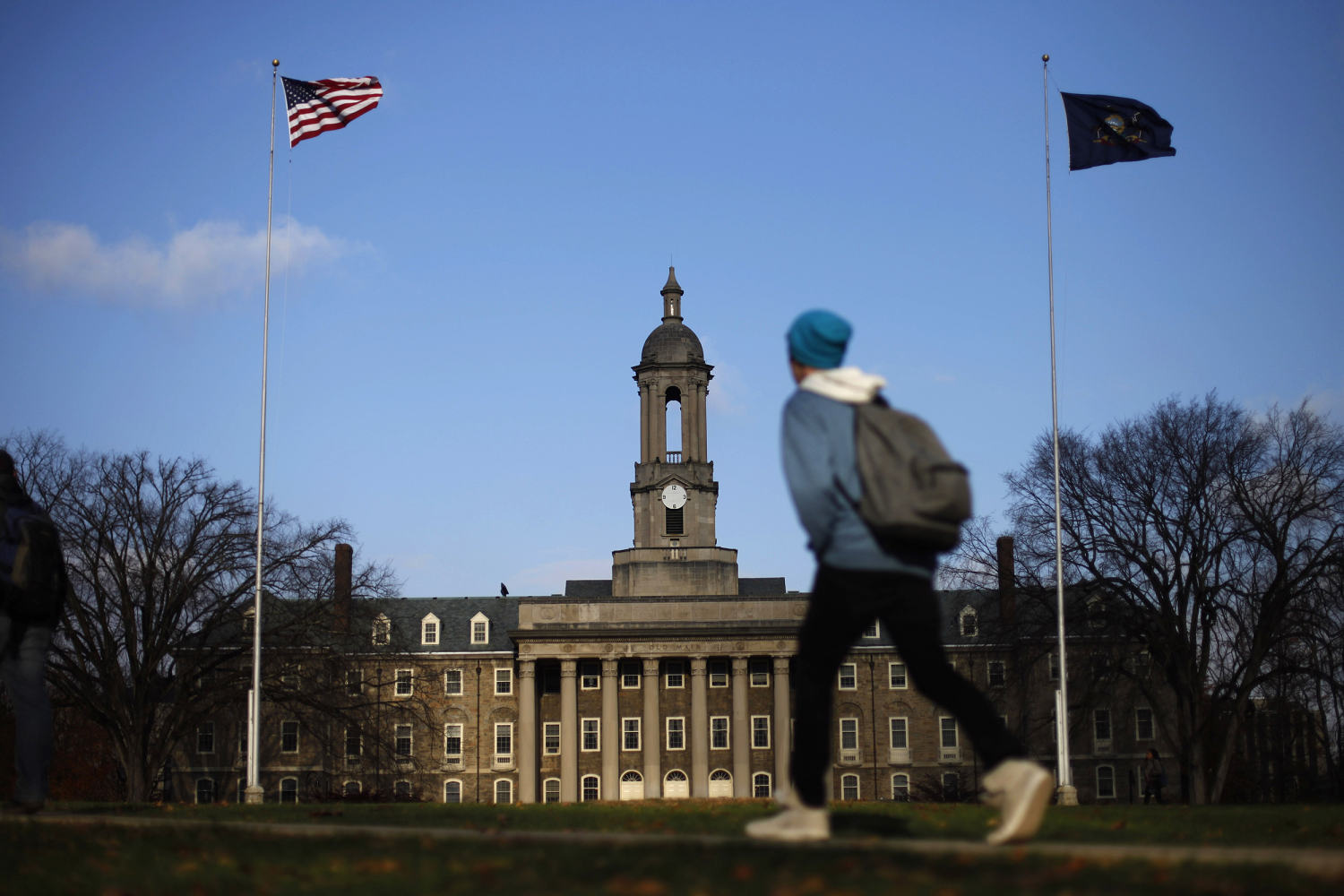
The headlines hit hard today. Fourteen people charged. A massive cocaine pipeline. Two prominent, off-campus fraternity houses. It sounds like a scene from a movie, but the recent crackdown in State College is a stark, messy reality check for campus life.
This isn't just about a few kids experimenting. It’s about a coordinated, profitable operation that allegedly turned fraternity pledges into packagers of narcotics. When state officials, including Attorney General Dave Sunday, lay out the facts, the picture is ugly. It paints a story where the line between "Greek life" and "organized crime" didn't just blur; it vanished.
What Actually Happened at the Fraternities
The investigation centered on two names that will likely be stained for a long time: Delta Upsilon and Sigma Chi. Keep in mind, Sigma Chi wasn't even university-recognized at the time, which shows how these off-campus spots often operate like black boxes beyond the reach of campus oversight.
Between 2023 and 2024, investigators allege that cocaine was hauled in bulk from major hubs like New York and Philadelphia. It didn't stop at the door. It moved inside. From there, it was cut, bagged, and pushed out to the student population.
The most disturbing part? The labor wasn't outsourced to random criminals. It was performed by the brothers and, in some cases, the pledges themselves. This wasn't just manual labor; officials described it as a twisted form of indoctrination. Imagine joining a fraternity looking for brotherhood and being handed a bag of cocaine to process as part of your "initiation." That’s a long way from the charity events and networking nights people associate with these organizations.
The Faces Behind the Operation
Attorney General Sunday pointed directly at two individuals: Agostino Abbatiello and Thomas Robinson. These weren't freshmen lost in the system. They were senior members.
They sat at the top of the ladder. They organized the supply chain. They treated the fraternity house like a distribution center. It’s a classic case of power abuse. When you’re in a leadership position, you have influence. They used that influence to build a business that now leaves fourteen people facing everything from felony conspiracy charges to tampering with evidence.
Even the parents got dragged in. Paul Robinson, Thomas’s father, is accused of trying to hide evidence. It’s a reminder that when these operations unravel, they don't just ruin the lives of the students involved—they wreck families.
Why This Matters in 2026
You might ask why this specific bust is getting so much attention. It’s because it exposes a vulnerability in the university system. Students are away from home, often for the first time. They have disposable income. They’re looking for social belonging. Criminal networks know this. They aren't looking for dark alleys; they’re looking for the high-traffic, semi-private social hubs that every college town has in abundance.
The "off-campus" factor is key here. Universities often struggle to police what happens in private residences. If a house isn't officially recognized, the school’s power is limited. That creates a vacuum. In State College, that vacuum was filled by a cocaine ring.
The Consequences of the Crackdown
Penn State’s reaction was immediate. Delta Upsilon is on interim suspension. Sigma Chi was already outside their control. But the real fallout is for the defendants. Felony charges for "corrupt organizations" carry heavy weight. We aren't talking about a slap on the wrist for underage drinking. We are talking about potential prison time.
If you’re a student, or a parent, this is a wake-up call. The "frat house" myth is just that—a myth. The reality is that these houses are private property. If you aren't involved, you can’t know what’s happening behind those walls.
Next Steps for the Community
- Watch your surroundings. You don't have to be a detective, but you should recognize when a social environment feels wrong. If the "party" feels like a business, it probably is.
- Prioritize safety. The convenience of buying substances through a "friend" or a "brother" is an illusion. It ties you directly into a criminal network that doesn't care about your GPA or your future.
- Understand the legal stakes. A drug conviction follows you. It kills job prospects and ruins housing eligibility. No night out is worth a felony record.
- Demand better oversight. If you’re part of a Greek organization, push for transparency. Hold your leadership accountable. If the culture shifts toward illicit activity, speak up before the police are the ones knocking on your door.
This case is ongoing. More details will emerge as the legal process plays out. For now, it’s a sobering look at how fast things can go south when arrogance meets opportunity. Stay sharp.