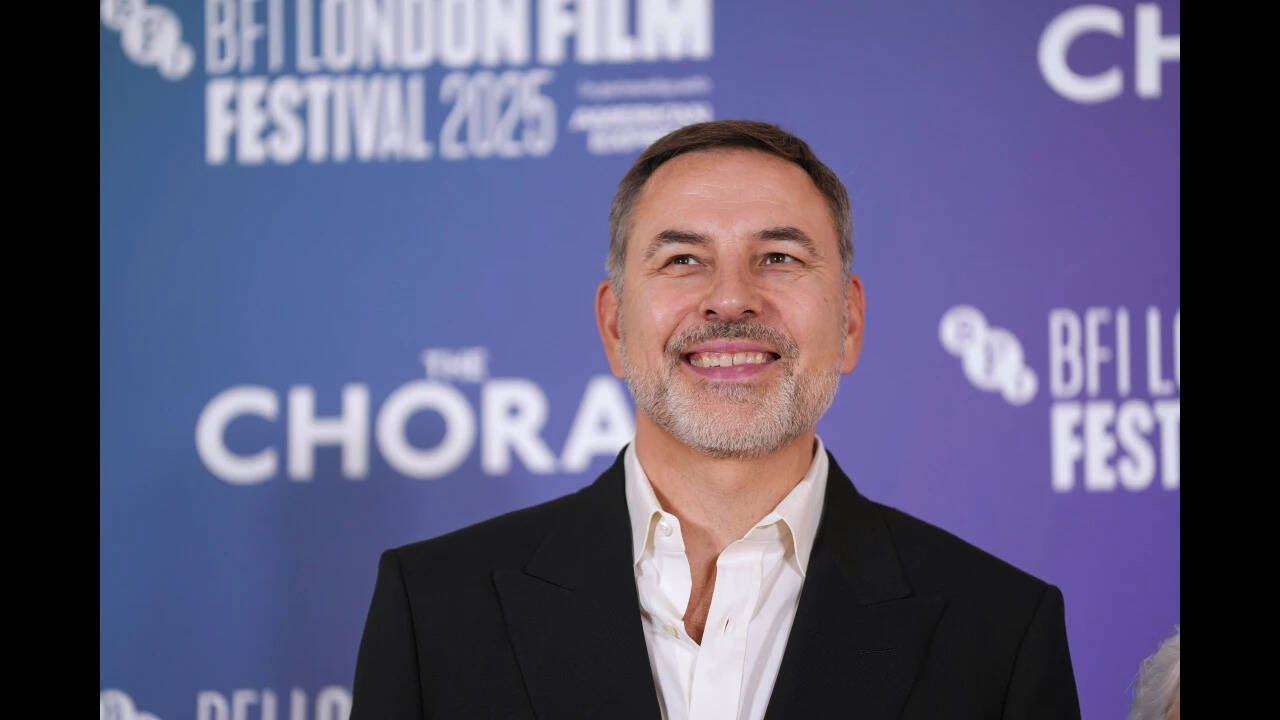
For months, British media lawyers and newsrooms whispered about a high-profile injunction case. A well-known entertainer, hidden behind anonymity codes and secret court hearings, spent a fortune trying to stop The Guardian and ITN from dropping a massive investigative package. That anonymity has officially shattered. Comedian and children’s author David Walliams was unmasked as the mystery figure after failing to meet a crucial Court of Appeal deadline to extend his block.
The fallout from this High Court showdown goes far beyond a single celebrity scandal. It touches on the limits of press freedom, the ethics of high-stakes legal gag orders, and how the British justice system handles claims of severe mental health risks during media exposés. If you have followed how powerful figures try to muzzle the press, this case sets a fascinating and dangerous precedent. Also making waves in this space: Inside Rufus Wainwright Quirky Laurel Canyon Cottage That Just Hit The Market For 2.3 Million.
Inside the Legal Wall That Collapsed
To understand why this unmasking matters, you have to look at how the legal battle was fought. Walliams' legal team didn't just rely on standard arguments like breach of confidence or privacy. Instead, they pushed a legal argument centered on the European Convention on Human Rights (ECHR)—specifically Article 2 (the right to life) and Article 3 (protection from inhuman or degrading treatment).
His barristers argued that publishing the allegations would trigger an extreme mental health crisis, pointing to suicide attempts following initial press contacts. They tried to draw a parallel to historic cases where lifetime anonymity orders were granted to protect individuals from explicit threats of physical violence. Further details on this are detailed by Associated Press.
Mr Justice Nicklin firmly rejected that framing. The judge acknowledged Walliams’ severe and longstanding psychiatric vulnerabilities, but he drew a hard line. He ruled that creating a legal shield based on self-harm risks would represent a radical, unprincipled expansion of the court's duties. More importantly, the judge emphasized that the state’s obligation to handle mental health crisis management falls to health services like the NHS, not to perpetual media blackouts managed by judges. When the deadline to appeal expired without action, the legal dam broke.
The Allegations and the Defense
The joint investigation by The Guardian and ITV News spans accounts from more than 100 individuals, including over 30 primary sources who gave first-hand testimony. Multiple women came forward with serious allegations regarding incidents stretching back years. Some claimed the comedian used his prominent television status and position as a successful children's author to establish inappropriate contact when they were teenagers. Additional accounts detailed professional misconduct allegations involving workplace dynamics on major entertainment productions and publishing houses.
Walliams and his legal representatives have pushed back hard against the claims. While acknowledging past behavior that he described as reckless and expressing regret for failing to consider how his actions affected others, Walliams has strongly denied any criminal conduct. His legal defense maintains that he denies grooming allegations and rejects the assertion that he operated as a sexual predator.
It is vital to note what the court did and did not decide. The High Court’s ruling was strictly about whether the public interest in media freedom outweighed the privacy and injunction arguments. The court did not establish the factual truth of the allegations. The legal battle was entirely about whether the public had a right to know what journalists had uncovered.
Why This Ruling Reshapes Media Law
Injunctions used to be a reliable escape hatch for wealthy public figures caught in investigative crosshairs. If you had enough money for top-tier silks, you could often buy months or years of silence by convincing a judge that privacy rights or emotional distress trumped reporting.
This case changes the math. By ruling that the courts cannot act as a permanent shield against publication simply because a subject claims devastating psychological consequences, the judiciary has signaled a shift. Freedom of expression and the public interest standard retain immense weight, even when the human cost to the person under investigation is severe.
Media organizations will point to this decision as a major win for investigative journalism. Celebrities and public figures, on the other hand, now face a much harsher reality check when trying to use the courts to suppress damaging stories.
Take a close look at how public figures manage crises today. The era of quietly sweeping massive allegations behind secret court orders is rapidly closing. Transparency, for better or worse, is forcing its way through the courtroom doors.