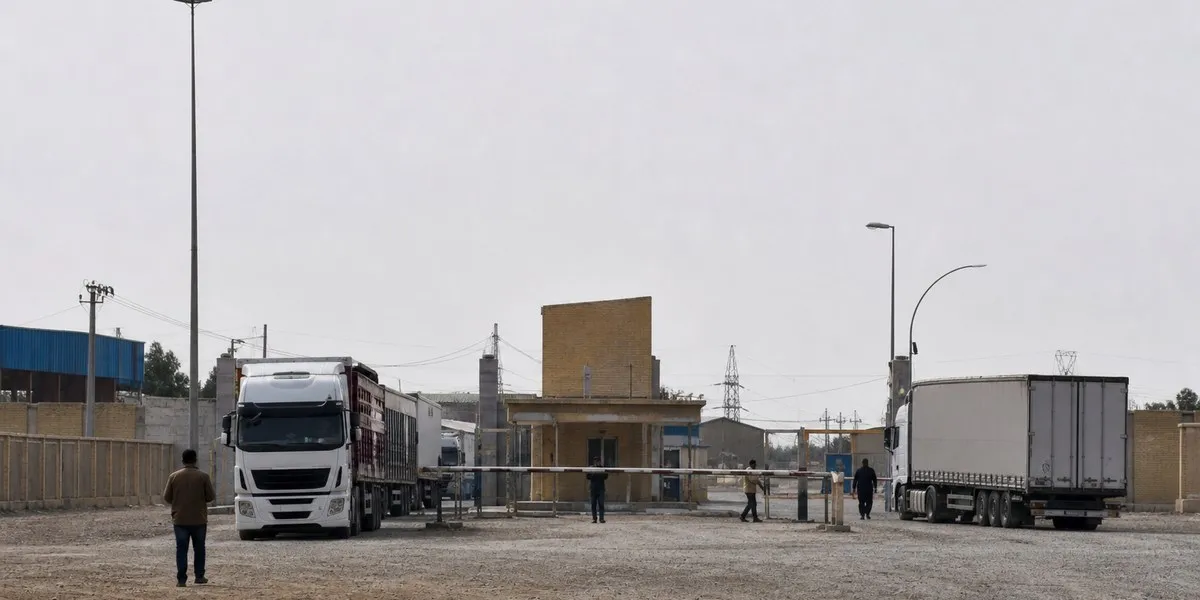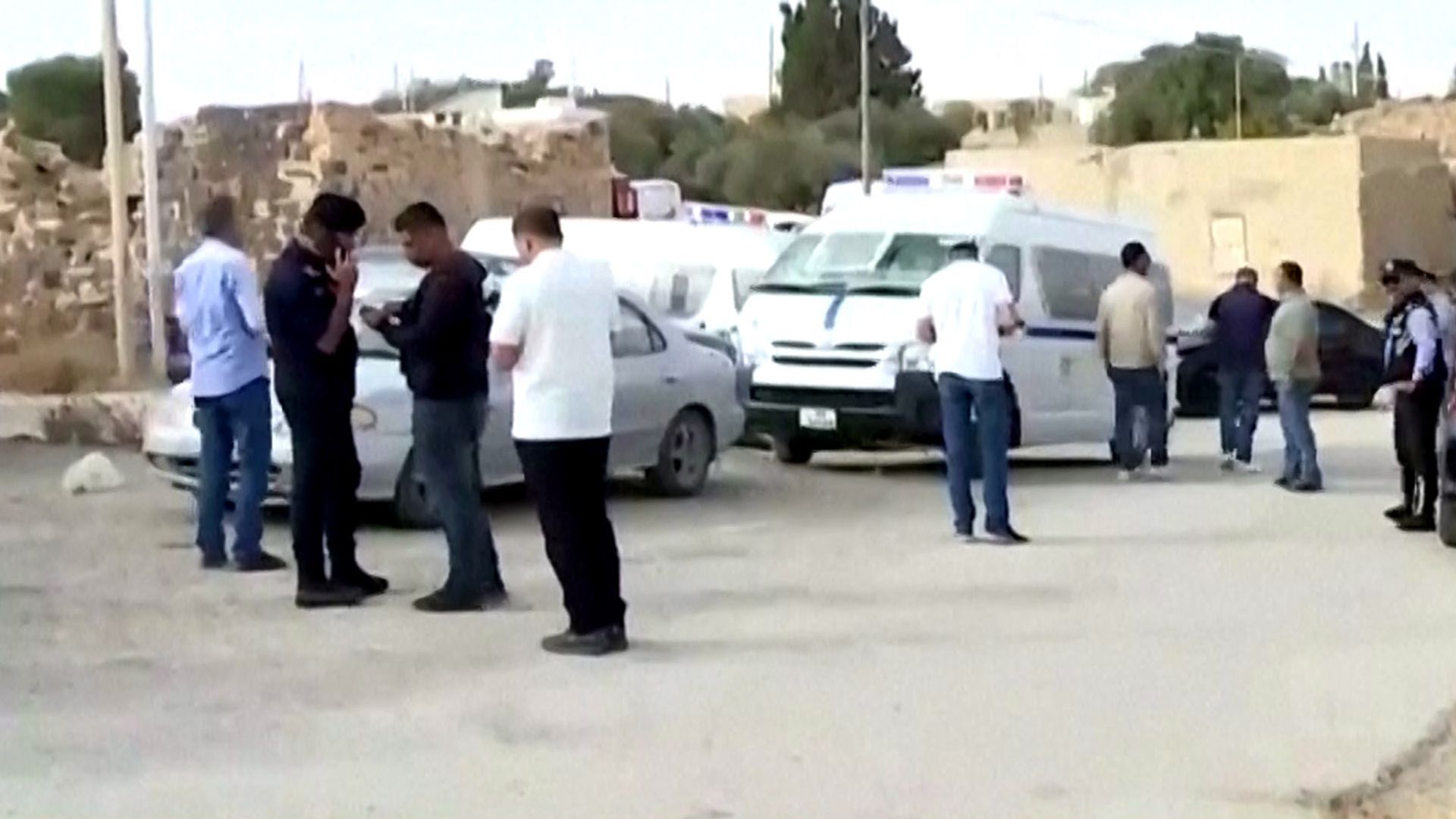
Mass shootings in Jordan are exceptionally rare. When armed attackers opened fire during a packed funeral at a Greek Orthodox church in the southern province of Karak, the violence shattered a long-standing sense of relative domestic stability in the Hashemite Kingdom.
Seven people were left dead and thirty-four others wounded after the assault in the village of Hammoud. The attackers arrived in a vehicle, stormed the church compound, and sprayed gunfire indiscriminately into crowds gathered for a funeral procession. The attack targeted a minority Christian community within a predominantly Sunni Muslim nation, prompting immediate outrage, emergency security measures, and a swift vow of retaliation from the monarchy.
The Brutal Reality of the Karak Church Massacre
The chronology of the attack highlights careful targeting and cold-blooded execution. Security officials, including Interior Minister Mazen al-Faraya and Public Security Directorate chief Major General Abdullah al-Maaytah, laid out the grim statistics as local hospitals scrambled to treat the wounded. Out of the thirty-four injured victims, twenty-seven required prolonged hospital care for severe gunshot trauma.
Eyewitness accounts reported that the gunmen utilized rifles and pistols, firing continuously for several minutes before fleeing the scene. The village of Hammoud, located roughly 180 kilometers south of the capital Amman, is home to a historic Christian community. Turning a solemn funeral gathering into a slaughterhouse targeted not just individuals, but the fragile social fabric of a region that prides itself on internal coexistence.
King Abdullah II didn't mince words. Visiting Karak swiftly after the incident, he posted an uncompromising message online promising the harshest retaliation. He stated that the state would strike with an iron fist against anyone daring to threaten the nation or shed innocent blood.
Examining the Motive and Extremist Threat
Government officials labeled the massacre an act of terror perpetrated by a group of extremists with no allegiance to humanity. Yet, the specific identity of the attackers and their underlying tactical network remain under intense investigation by Jordanian security forces.
Mass violence directed at houses of worship carries deep geopolitical consequences in the Middle East. Jordan has historically positioned itself as a stable anchor and a safe haven in a volatile neighborhood. It maintains strict domestic security protocols and works hard to insulate its population of roughly 11.5 million people from external militant spillover.
When extremists strike inside a rural church, the psychological shockwave hits far beyond Karak. It forces citizens and foreign observers to reevaluate security assumptions. Extremist cells operating underground continue to pose grave threats, exploiting local grievances or ideological radicalization to target religious minorities and provoke sectarian friction.
The Broader Regional Impact and International Condemnation
Governments across the globe and regional leaders reacted with immediate shock and condemnation. From Lebanese officials to United Nations representatives, international allies expressed horror at the bloodshed. The attack threatens to strain regional diplomacy if security forces uncover cross-border militant links or wider clandestine cells.
Domestically, the tragedy places immense pressure on Jordan's internal security apparatus. Citizens want answers. They want to know how heavily armed gunmen executed a mass casualty shooting in broad daylight and managed to escape before local police could neutralize them. A massive manhunt is currently underway across the Karak governorate, with checkpoints, military patrols, and intelligence units scouring the rugged southern terrain.
Security experts suggest that this incident will permanently alter how public gatherings and religious sites are monitored in Jordan. Enhanced protection protocols for minority institutions are practically guaranteed. The state faces an urgent imperative to dismantle the network responsible before copycat cells or localized radical factions perceive an opening.
Jordan now stands at a critical crossroads. The government must balance intense military and police action with a transparent investigation to reassure the public. Justice must be swift and absolute if the kingdom wants to restore absolute confidence in its security shield.