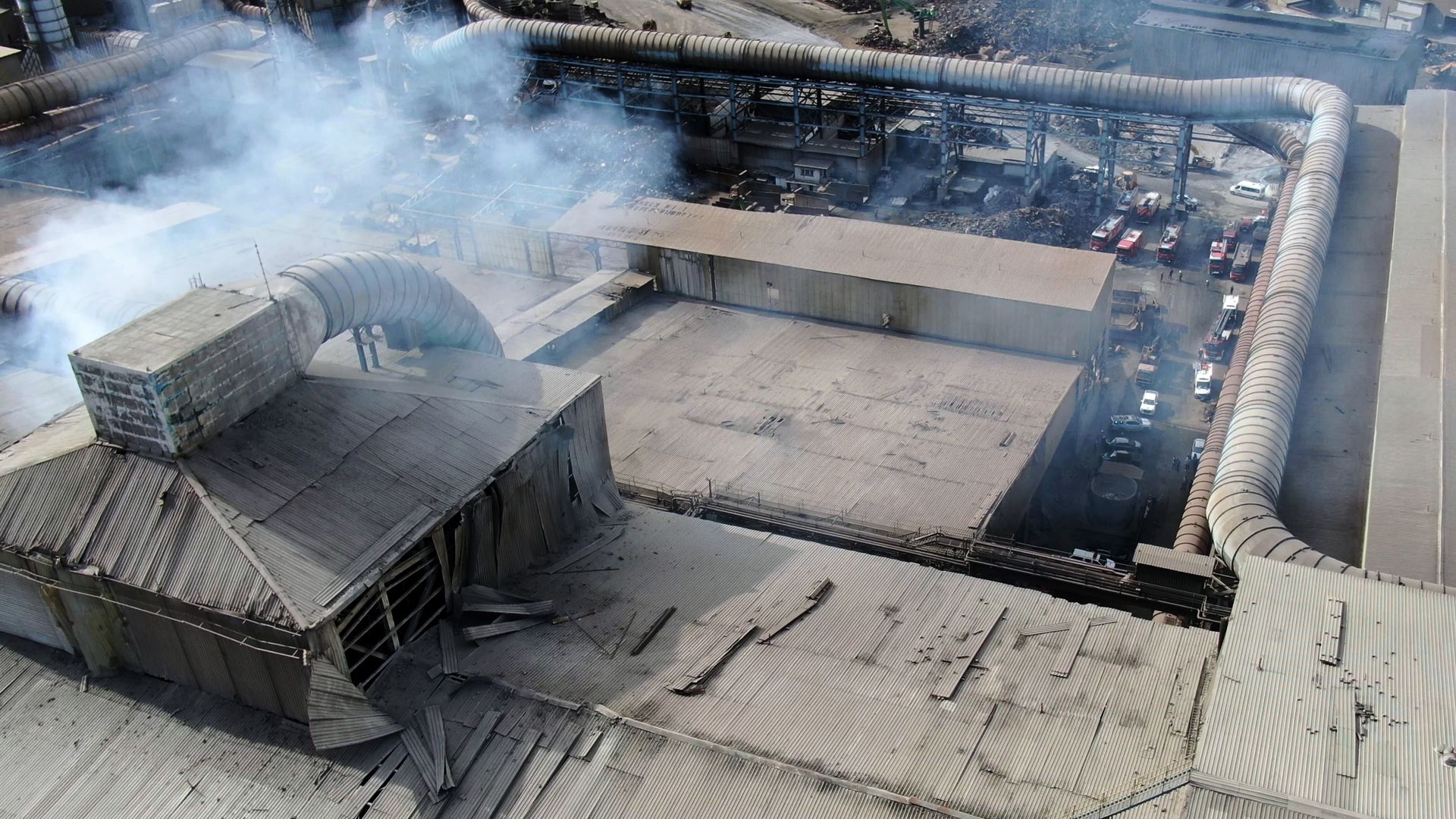
Sixteen workers are dead. Another thirteen are injured, some fighting for their lives in regional hospitals. When a massive blast ripped through the Habaş Demir Celik steel plant in western Turkey's Aliaga district, it didn't just rattle windows miles away—it exposed the grim reality of heavy industrial safety standards in the region.
Turkish President Recep Tayyip Erdogan confirmed the updated death toll following a cabinet meeting, promising both judicial and administrative investigations. But for workers and safety advocates who have watched industrial accidents plague the nation for years, promises of accountability feel entirely too late.
What Actually Happened at the Aliaga Facility
The catastrophe unfolded at roughly 11:46 a.m. local time on a Monday that started like any other. The Habaş plant, situated about 60 kilometers north of Izmir along the Aegean coast, stands as one of Turkey's leading iron and steel producers.
According to preliminary reports from the Izmir governor's office and eyewitness accounts from workers on the ground, the disaster was triggered by a catastrophic mechanical failure during routine maintenance. A heavy overhead crane, actively involved in replacing a boiler or handling heavy loads near the facility's electric arc furnaces, suffered a catastrophic rope snap.
The crane collapsed, sending massive amounts of heavy material plummeting directly into a furnace during the liquid steel casting process. When roughly 120 tonnes of molten steel—sitting at temperatures near 1,800 degrees Celsius—collides with water-cooled panels or moisture inside an active furnace, physics takes over in the worst possible way. It creates an instant, violent hydrogen and thermal explosion.
Eyewitnesses described the scene as apocalyptic. Local workers talked about feeling an immediate shockwave that felt like a major earthquake. Thick, black smoke choked the sky above Aliaga as towering flames engulfed the factory structure, with heat so intense that parts of the roof reportedly began warping and melting away under the blaze.
The Real Cost of Industrial Negligence
You can call it an accident if you want. Labor groups and unions on the ground aren't buying it.
Accidents in heavy manufacturing rarely happen in a vacuum. When a crane cable snaps in a multi-million-dollar steel mill, questions must be asked about maintenance schedules, safety margins, equipment fatigue, and regulatory oversight. Habaş is a heavyweight industrial giant, yet critics are already pointing out a recurring pattern of industrial hazards and worker fatalities across Turkish heavy industry that fail to yield meaningful structural reforms.
President Erdogan stated that negligence and responsible parties will be identified through a thorough investigation. Yet, families of the victims and injured workers know that inquiries rarely bring back the breadwinners who walked into a shift and never came home.
What Industrial Safety Experts Say
Heavy manufacturing is inherently dangerous. Molten metal, high-pressure gas lines, and massive overhead machinery create an environment where a single point of failure can prove fatal in seconds.
Standard safety protocols mandate rigorous non-destructive testing of crane cables, redundant fail-safes for overhead lifting equipment, and strict exclusion zones during high-risk casting and maintenance procedures. When a facility handles liquid metal at those volumes, safety isn't just a compliance checkbox. It's the thin line between a functioning shift and a mass casualty event.
Emergency crews managed to bring the raging fires under control, and specialized ministries deployed senior officials to the site to oversee the immediate aftermath. But the structural damage to the facility and the human toll on the families in Izmir leave a permanent scar.
Accountability has to mean more than a press conference and a temporary shutdown. Until heavy industrial plants face severe, uncompromising consequences for maintenance failures, workers will continue paying the ultimate price for corporate bottom lines.