We tend to picture the American Southwest as a place of relentless, sun-baked stability. Rocks stand frozen in time. Cacti endure centuries. But recent weather tells a completely different story.
More than twenty trillion gallons of tropical moisture dumped onto the Four Corners states and Nevada in late autumn, turning dry washes into raging torrents and wiping out ancient geological landmarks. When heavy rain pummels an environment built for absolute dryness, the damage goes way beyond temporary puddles. It changes the map.
Why Desert Terrain Shatters Under Water
Arid soil doesn't absorb sudden deluges well. When months of typical rainfall arrive over a few days, the ground behaves almost like pavement. Water sheets off high mesas and races through canyons with terrifying force, undercutting delicate sandstone pillars and eroding the very foundations of desert monuments.
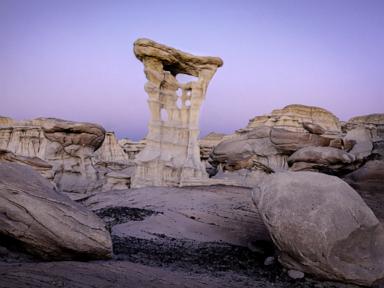
Famous rock formations in New Mexico, like the Alien Throne and the King of Wings, couldn't withstand the saturated earth and rushing currents. These sculptural wonders take millennia to form through gentle wind and rare sprinkles. They vanish in hours when flash floods scour their bases.
It isn't just rocks taking a hit. Across tribal lands in New Mexico, Arizona, Utah, and Colorado, dirt roads dissolved into mud tracks. Entire communities found themselves cut off as bridges washed away and washes turned into uncrossable rivers.
The Shifting Reality of Arid Ecosystems
People assume desert life is bulletproof against extreme weather, but the opposite is true. Native plants and animals evolve under strict resource limits. When those limits swing violently from zero water to catastrophic flooding, survival rates plummet.
We saw similar devastation when massive wildfires charred millions of Joshua trees across the Mojave. Now, water is doing what fire couldn't—softening earth, triggering massive landslides, and tearing down the ancient landmarks that draw millions of visitors to the region every year.
Infrastructure in the desert was never engineered for atmospheric rivers of this magnitude. Culverts overflow instantly. Highways buckle under surging washes. Rural towns and sovereign tribal nations bear the brunt of the repair costs, often facing hundreds of millions in damages with limited municipal resources.
What Happens Next for the Southwest
Recovery isn't just about grading dirt roads or clearing debris from state routes. It requires a hard look at how we manage development in flood-prone desert basins.
If these heavy rain cycles become the new normal, our approach to conservation and rural infrastructure has to change. Ignoring the vulnerability of these landscapes means losing more than just roadside tourist stops. It means risking lives and isolating populations who depend on predictable transit corridors.
The desert isn't unchanging. It's shifting right before our eyes.