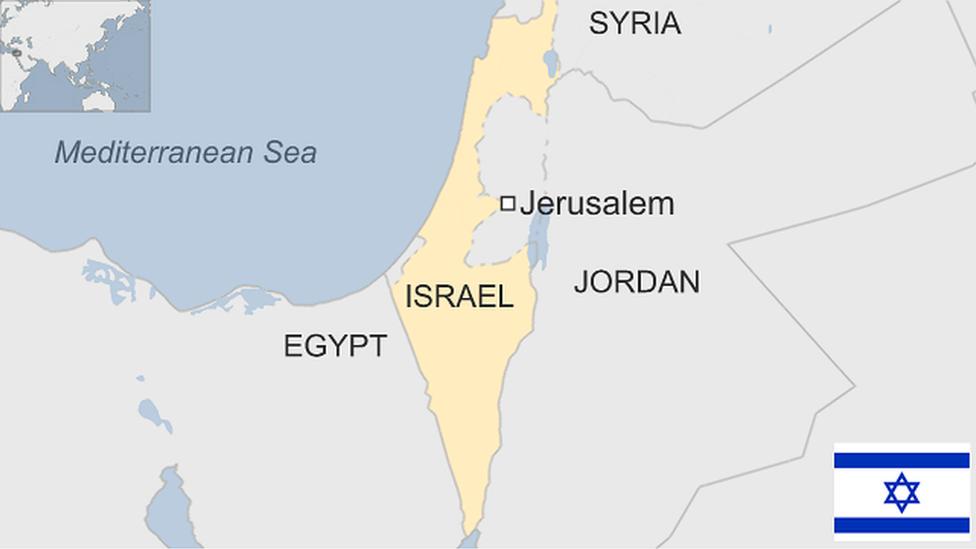
The map of Syria just got rewritten. Mazloum Abdi stood inside the presidential palace in Damascus and officially closed a decade-long chapter of autonomous Kurdish rule.
The Syrian Democratic Forces, the very militia that Washington backed to crush the Islamic State, no longer exists as an independent army. It is a stark reminder that in geopolitics, loyalty buys you time, not permanent sovereignty.
The End of an Era in the Northeast
For over ten years, the SDF operated as a de facto state within a state across Syria's oil-rich northern and northeastern sectors. Born in 2015 out of operational necessity, this coalition of Kurdish and Arab fighters served as the ground tip of the spear for the US-led coalition. They cleared Raqqa, secured the Euphrates valley, and took heavy casualties while the rest of the world watched from a safe distance.
That autonomy evaporated under military pressure and shifting alliances. Following a rapid military offensive by government forces under President Ahmed al-Sharaa that cracked open the northern frontlines, the writing was on the wall. Stripped of American backing—which swiftly pivoted toward the new authorities in Damascus after the fall of Bashar al-Assad—the SDF had to choose between total annihilation or negotiated absorption.
They chose absorption. Abdi announced the complete dissolution of the independent military command structure during a televised address, confirming that thousands of former SDF fighters are now formally integrated into the brigades of the Syrian Arab Army.
What Actually Changes on the Ground
Integration sounds clean on paper, but administrative reality is messy. Damascus has absorbed civilian institutions, local oil fields like Rumeilan, border posts, and thousands of education and health personnel onto the state payroll.
Yet major friction points remain unresolved. Take the Women's Protection Units, the famous all-female battalions that earned global renown during the anti-jihadist campaigns. Damascus has flatly rejected their demand to enter the national defense ministry as intact, separate female units, citing standard military structures.
Furthermore, the shadow of Turkey looms heavy over these arrangements. Ankara spent years launching incursions into northern Syria, labeling the backbone of the SDF as an extension of the outlawed Kurdistan Workers' Party. The integration deal explicitly demands the purging of non-Syrian leadership linked to those older insurgencies. Compliance with this term remains the ultimate test of whether Turkey will tolerate the new security map or push for further military intervention.
The Cost of Centralized Power
For Syria's minorities, watching autonomous governance dissolve feels like a bitter defeat. Years of self-administration, cultural institutionalization, and local security have been handed back to a central government dominated by a new political order.
President al-Sharaa has secured the historic centralization he craved, bringing splintered factions under a single banner. But ruling a patched-together nation requires more than military submission. If Damascus fails to protect cultural rights, local representation, and basic security in the northeast, the peace bought through this dissolution will prove temporary.
Keep a close eye on Hasakah and Qamishli over the coming months. The real test is whether integrated soldiers and local administrators find a functional place inside state institutions, or if quiet resentment turns into the next phase of underground resistance.