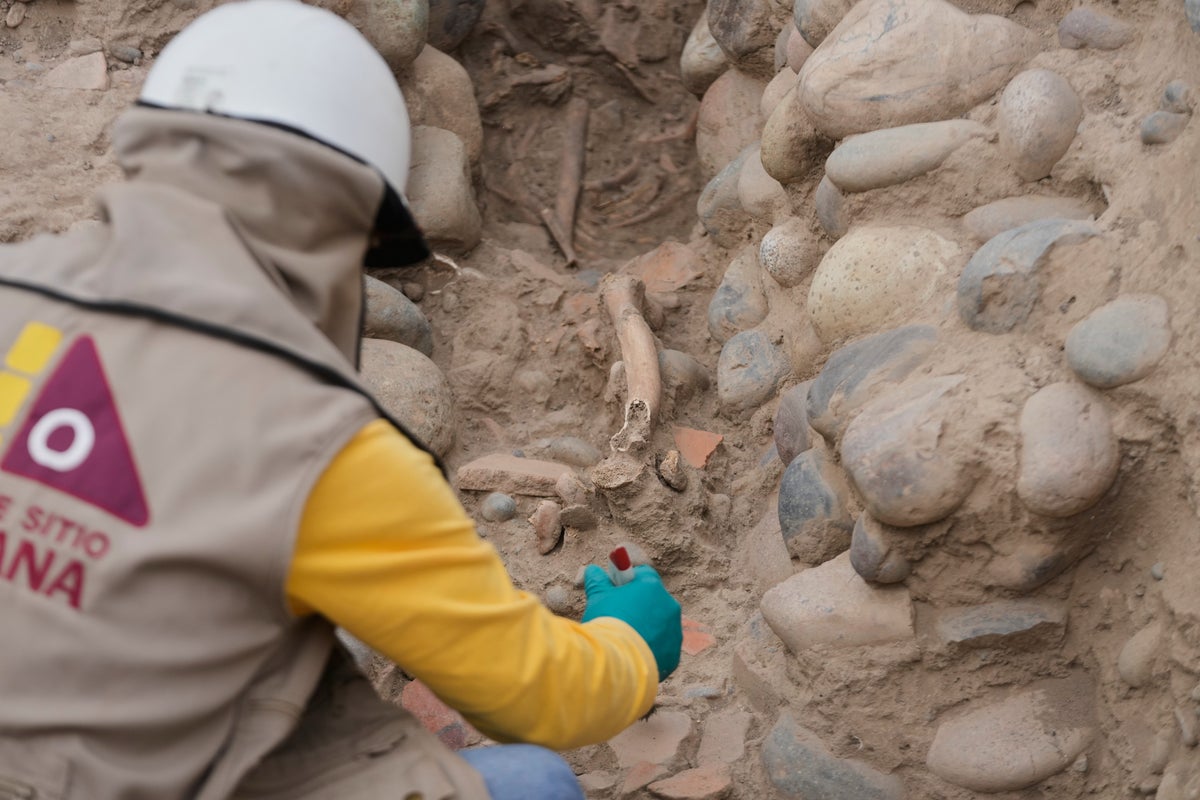
For decades, Brenda Marie LeBlanc’s identity remained a mystery. Her remains, found in 2023 during a home demolition in Niagara Falls, offered no immediate clues. Traditional forensic methods failed. It looked like another case that would fade into obscurity, leaving a family without answers and a killer free.
Then, investigators changed their approach. They stopped looking for a direct match and started looking for a family tree.
This isn't sci-fi. It's investigative genetic genealogy, and it’s currently the most effective tool in a detective's kit. By using DNA profiles voluntarily uploaded to public databases, police can bridge massive gaps in time. In LeBlanc’s case, this science finally gave her a name in 2025.
How Genetic Genealogy Actually Works
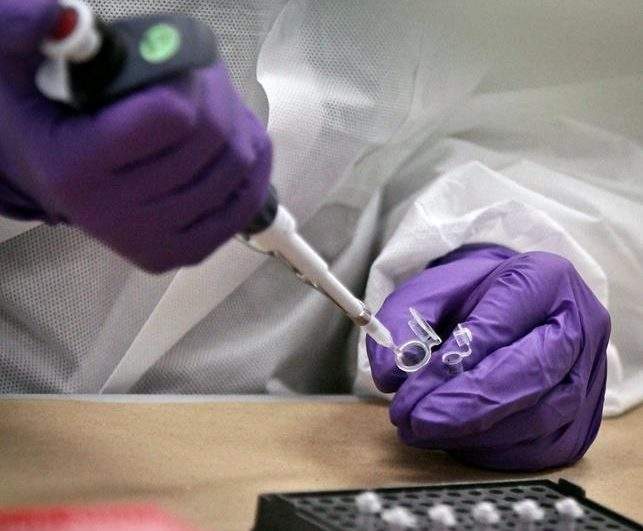
Forget what you see in fast-paced crime dramas. This process is tedious, complex, and requires a specific kind of expertise. When police have unidentified remains, they create a DNA profile. They then upload that profile to public databases where people go to find their ancestors.
They aren't looking for the person who died. They are looking for distant cousins.
If a third or fourth cousin exists in that database, investigators build a massive family tree. They narrow down the possibilities until they reach a common ancestor. From there, they work forward in time. They identify potential candidates who match the age, location, and circumstances of the unidentified person.
It’s essentially crowd-sourced detective work. You don't need a direct DNA sample from the suspect or the victim to get started. You just need a connection within the extended family.
Why This Matters for Cold Cases
Many people think DNA evidence is only useful if you have a suspect's blood or hair left at a scene. That’s outdated thinking.
We can now extract usable genetic material from bone, teeth, and other degraded samples that are decades old. Forensic biology experts confirm that biological evidence can remain viable for 50 or 60 years if handled correctly.
This changes everything. Thousands of cases across Canada and the United States, previously considered unsolvable, are being reopened. When police have a "John Doe" or "Jane Doe," they no longer have to rely on dental records or missing persons reports alone. They have a biological map that points toward an identity.
The Privacy Trade-off
This progress comes with legitimate discomfort. When you upload your DNA to a genealogy site to find out if you have Italian or Scottish ancestry, you might inadvertently help police identify a distant relative—or a relative who committed a crime.
Critics, including some privacy commissioners, argue that your family members never consented to have their biological data used for criminal investigations. It’s a valid point. You aren't just revealing your own secrets; you are revealing a part of your relatives' private information.
However, many experts—and victims' families—argue that the public safety benefit is worth it. Identifying a homicide victim or catching a violent offender who has been off the radar for thirty years provides a form of justice that was previously impossible. It’s a constant friction between individual privacy and the collective need for closure in violent crimes.
What Happens Next
If you think this is as far as it goes, you're mistaken. The speed of these investigations is about to accelerate.
- AI Integration: Right now, building a family tree is a manual, time-consuming effort for genealogists. Artificial intelligence is already being trained to map these relationships faster, potentially turning years of work into months or even weeks.
- Predictive Profiling: We are moving toward tools that can predict physical characteristics—eye color, hair color, skin tone—directly from genetic samples. This gives police a visual starting point before they even confirm an identity.
- Smaller Samples: As testing techniques improve, the amount of DNA required will continue to shrink. We will be able to get profiles from items we currently consider useless for evidence.
The case of Brenda Marie LeBlanc serves as a stark reminder of how science can bridge the gap between decades of silence and the truth. Police are still investigating her death and seeking those responsible.
If you have information regarding cold cases or historical disappearances, contact your local police department immediately. Technology gives them the leads, but human cooperation still brings the final evidence required for a conviction. Don't assume an old case is a lost cause. The evidence is likely waiting in a lab, just not yet connected to the right branch of the tree.