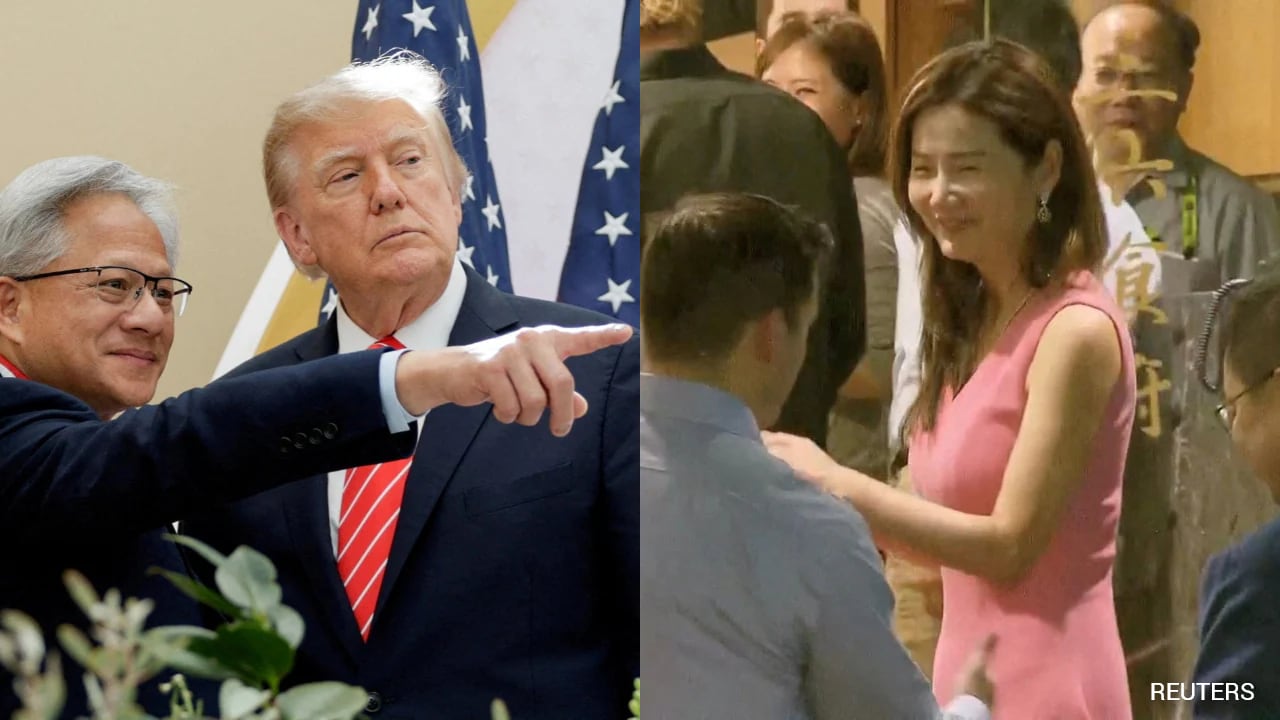
When a multibillion-dollar artificial intelligence empire implodes because of a personal scandal, the fallout rarely stays contained to Silicon Valley. The resignation of Jensen Huang from Nvidia sent shockwaves through global markets, but the real theater unfolded in Washington. President Donald Trump weighed in with characteristic bluntness, brushing off intelligence warnings and dismissing the core espionage allegations surrounding Alice Huang with a striking claim: that any attractive woman from China is automatically labeled a spy.
It is a convenient soundbite, but it completely papers over the serious structural risks at the intersection of geopolitics, corporate governance, and advanced semiconductor supply chains.
The Anatomy of the Nvidia Crisis
To understand why this scandal matters beyond corporate gossip, you have to look at what Nvidia actually controls. As the undisputed king of high-performance AI chips, Nvidia sits at the center of the technological cold war between the United States and China. When reports surfaced detailing Jensen Huang's relationship with Alice Huang—an executive tied to the cloud firm Megaspeed—the national security apparatus didn't panic over a broken marriage. They panicked over access.
Classified memos overseen by officials like Secretary of State Marco Rubio flagged the connection as a potential vector for intelligence leaks regarding chip shipments and export controls. Yet, Trump openly downplayed the gravity of the situation, stating that he hadn't heard definitive proof she was a spy and defending Huang as a brilliant mind who simply made a personal mistake.
This dismissal misses a fundamental reality of modern corporate espionage. Foreign intelligence agencies don't need James Bond characters when they can exploit personal vulnerabilities in executives who hold the keys to the world's most critical hardware.
Why Trump's Dismissal of the Spy Risk Misses the Mark
Trump's assertion that beautiful women from China are reflexively branded as spies plays well politically, deflecting immediate panic and shifting the tone toward skepticism of the intelligence community. However, it trivializes how systematic industrial espionage actually operates.
Intelligence operations targeting tech executives aren't about cartoonish tropes. They target proximity to proprietary architecture, export loophole navigation, and strategic roadmaps. Megaspeed's position and the ongoing scrutiny over how advanced hardware filtered into restricted markets mean that personal indiscretions carry massive macroeconomic consequences.
When a CEO of Huang's stature becomes compromised, the threat vector isn't just about what secrets were whispered over dinner in Singapore or Taipei. It is about leverage. Intelligence agencies look for points of entry where corporate compliance bends under personal pressure.
The Push for a Comeback Versus Corporate Realities
The absurdity of the situation deepened when tech leaders, including Elon Musk, and thousands of employees rallied behind a push to reinstate Huang, while Trump himself mused that bringing him back or appointing someone like Tim Cook might stabilize the ship. Nvidia's board, facing intense shareholder lawsuits and regulatory pressure, accepted his resignation, leaving interim leadership scrambling to patch the credibility gap.
The rush to forgive a visionary leader highlights a dangerous cult of personality in tech. Boards often prioritize short-term market confidence over rigorous governance, assuming that technological genius grants immunity from national security protocols.
What Silicon Valley Must Learn Now
This entire episode exposes glaring vulnerabilities in how mega-corporations vet their leadership's exposure to foreign influence.
- Corporate Compliance Must Outrank Genius: No individual, no matter how revolutionary their contribution to artificial intelligence, can be bigger than export security laws.
- Vulnerability Audits Need Expansion: Personal relationships of executives holding clearances or managing restricted dual-use technology require realistic threat assessments, free from political spin.
- Geopolitical Awareness is Mandatory: Tech CEOs are geopolitical players whether they want to be or not. Treating foreign market access as purely commercial ignores how adversarial states operate.
The narrative that this was merely a messy breakup weaponized by overly paranoid bureaucrats is dangerously shortsighted. As the race for AI dominance accelerates, the vulnerability of key infrastructure gatekeepers remains the single greatest blind spot in American technology policy.