Handing a rare Hermès bag to a boutique feels like turning clutter into cash. Honestly, it can also turn your ownership into a gamble.
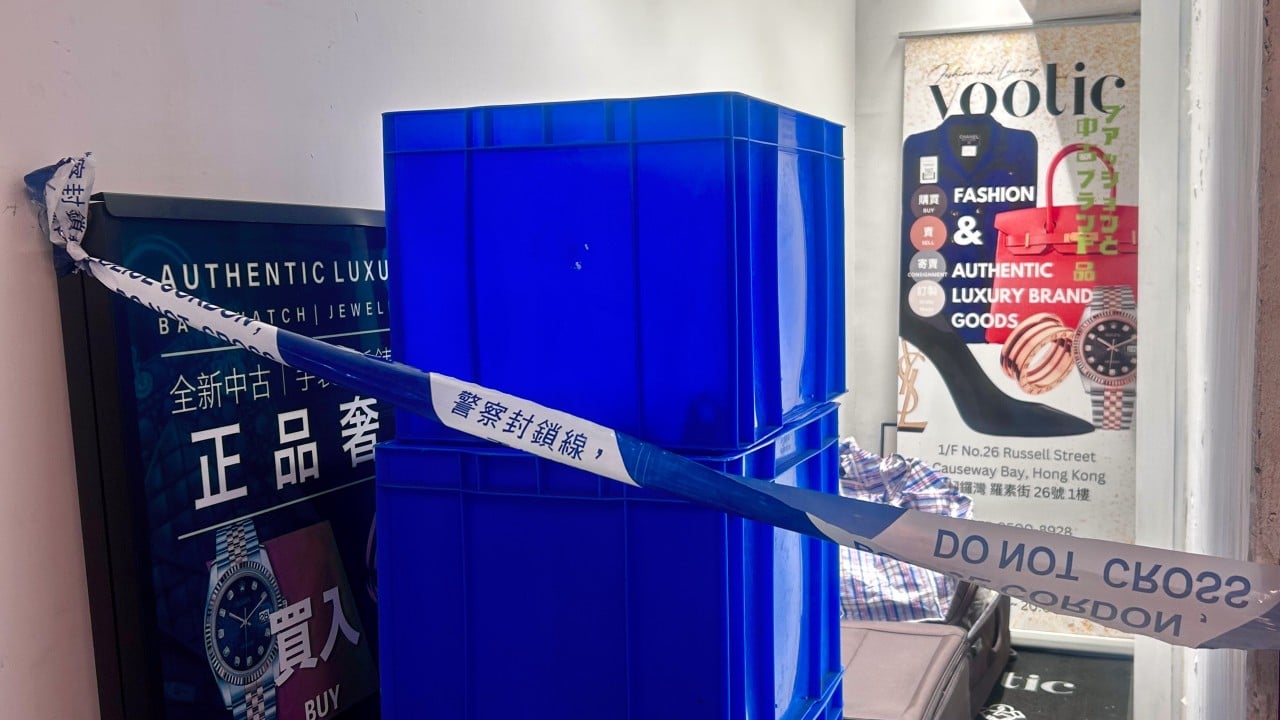
Across Hong Kong, police have received 216 reports involving roughly HK$38 million in unpaid consignment funds tied to two luxury resale shops, Vootic in Causeway Bay and Obsessplanet in Admiralty, after operations and customer replies abruptly stopped around mid-November 2026. The fallout isn't staying inside those two storefronts either. Other second-hand luxury operators have reportedly been dragged into the shockwaves, leaving consignors, buyers, and rival dealers scrambling for answers.
If you've ever used a luxury consignment shop in the city, the headline alone should make you pause. You don't just lose a bag when a shop vanishes overnight. You lose leverage.
How Hong Kong luxury consignment closures spread past two storefronts
When two high-profile resale outlets go dark at once, trust takes a direct hit across the entire block. Reports covering the closures point to Vootic on Russell Street in Causeway Bay and Obsessplanet in Admiralty going silent after mid-November 2026, with the operator and his wife becoming unreachable as police opened fraud investigations.
Why do two shop closures hit other stores in Hong Kong? Resale is a tightly woven ecosystem. Independent dealers trade stock with one another, source pieces for clients, and verify provenance through shared networks. When one operator stops paying out or fails to return consigned items, neighboring shops face sudden suspicion from nervous sellers, delayed stock transfers, and disputes over bags that may have already been moved through third-party channels.
Look at how quickly a local shock turns contagious. One consignor reported spotting bags matching their receipt details in mainland China after the shutdown, raising fears that consigned stock had already been sold on without payouts reaching the original owner. Even clean operators get caught in the crossfire when customers start assuming every consignment contract works the same way.
- Ripple effect on peer dealers: Rival shops deal with nervous consignors demanding immediate withdrawals or questioning settlement timelines.
- Cross-border resale confusion: Items placed on consignment can move fast across borders, making recovery slow and messy for individuals.
- Reputation drag on authenticators: Familiar faces and media-quoted specialists can give shoppers extra comfort, yet personal visibility isn't a financial guarantee.
Why "too good to be true" consignment math cracks
Let's be real about the numbers behind flashy consignment offers. When a shop promises higher-than-expected resale prices, ultra-fast sales, or super-low fees, someone has to bridge the gap. Sometimes that gap gets bridged with incoming cash from newer sellers rather than ring-fenced funds.
In Hong Kong's retail market, commercial rent and operating costs chew up margins fast. While overall retail sales in Hong Kong recorded growth across the first eight months of 2026 according to Census and Statistics Department figures, prime retail locations still punish cash-flow mistakes. If a boutique uses proceeds from one sold bag to pay an older overdue payout, everything works right up until sales slow down or too many people ask for their money or their bags at once.
Cheques don't automatically mean cash in hand either. Accounts from affected sellers describe payment delays and cheques bouncing or running into bank clearing trouble after promises were pushed back. That's a classic warning sign in any cash-strapped retail business.
What happens legally once a bag is sold
Here's the part most people don't realize until something goes wrong. Leaving an item on consignment isn't the same as keeping a gold bar locked inside a safe deposit box in your own name.
Once a consignment shop sells your item to a buyer, your position shifts from owner of a physical good to an unsecured creditor owed money by the business. If the shop collapses or gets tangled in insolvency or police investigations, getting paid back can take months or longer, and recoveries aren't guaranteed.
Even before a sale happens, practical reality gets messy fast. A shop might close its doors, cease customer replies, or leave staff in the dark about sudden shutdown orders. When that happens, a paper receipt doesn't magically unlock a closed shutter.
Common mistakes sellers make when consigning designer goods
I see the same habits trip up smart buyers and sellers time and again. None of them feel reckless in the moment. They just feel convenient.
First, people treat a well-known boutique like a bank. A tidy display, a prime address in Causeway Bay or Admiralty, or a friendly sales rep makes the business feel rock-solid. It isn't. A storefront proves someone signed a lease, not that they hold segregated cash for client payouts.
Second, sellers often wait too long to chase late payments. If a payout window slips once, people accept a polite excuse about bank processing or accounting schedules. A minor delay isn't always fraud, sure, yet repeated excuses around money are never something you should brush off.
Third, many consignors don't keep tight enough records. Vague descriptions on receipts, missing serial or hardware details, or casual chat messages make proving exact item identity harder if you later file a police report or consumer complaint.
Consumer protections and what they actually cover
Shoppers in Hong Kong often assume official logos or consumer bodies act as a financial safety net. They don't work like deposit insurance.
The Consumer Council helps consumers with enquiries and conciliation between buyers and traders, and provides guidance on dispute resolution, but it isn't a law enforcement agency and can't force a trader to pay out funds. For suspected criminal conduct, police reports are the proper route, while civil recovery is a separate uphill battle.
| What You Might Expect | How It Actually Works |
|---|---|
| Consigning a bag | You hand over physical possession under contract; once sold, you're generally owed money rather than holding the item. |
| Consumer Council help | Supports conciliation and consumer advice, not criminal investigation or guaranteed refunds. |
| Police involvement | Investigates suspected offences like fraud; recovering money or goods can still be slow and uncertain. |
Practical steps if you consign or buy pre-owned luxury in Hong Kong
If you plan to consign a handbag, watch, or accessory, treat the boutique like a counterparty in a financial deal, not just a fashion shop.
- Ask about payout timelines and payment methods upfront. Get clear written terms on when funds are released after a sale and whether payment comes by bank transfer or cheque.
- Keep thorough proof before handing anything over. Photograph the item from multiple angles, note serial numbers or distinctive marks, and keep signed consignment agreements and receipts in one folder.
- Act fast on payment delays. If a promised payout is overdue and answers get vague or slow, follow up in writing immediately and decide your next step early rather than waiting months.
- Check official channels if something goes wrong. Keep copies of all receipts, messages, and bank records if you need to contact the Consumer Council or report suspected fraud to Hong Kong police.
High-end resale can still be a smart way to clear out your closet or hunt down hard-to-find pieces. Just don't hand over high-value items on blind trust.