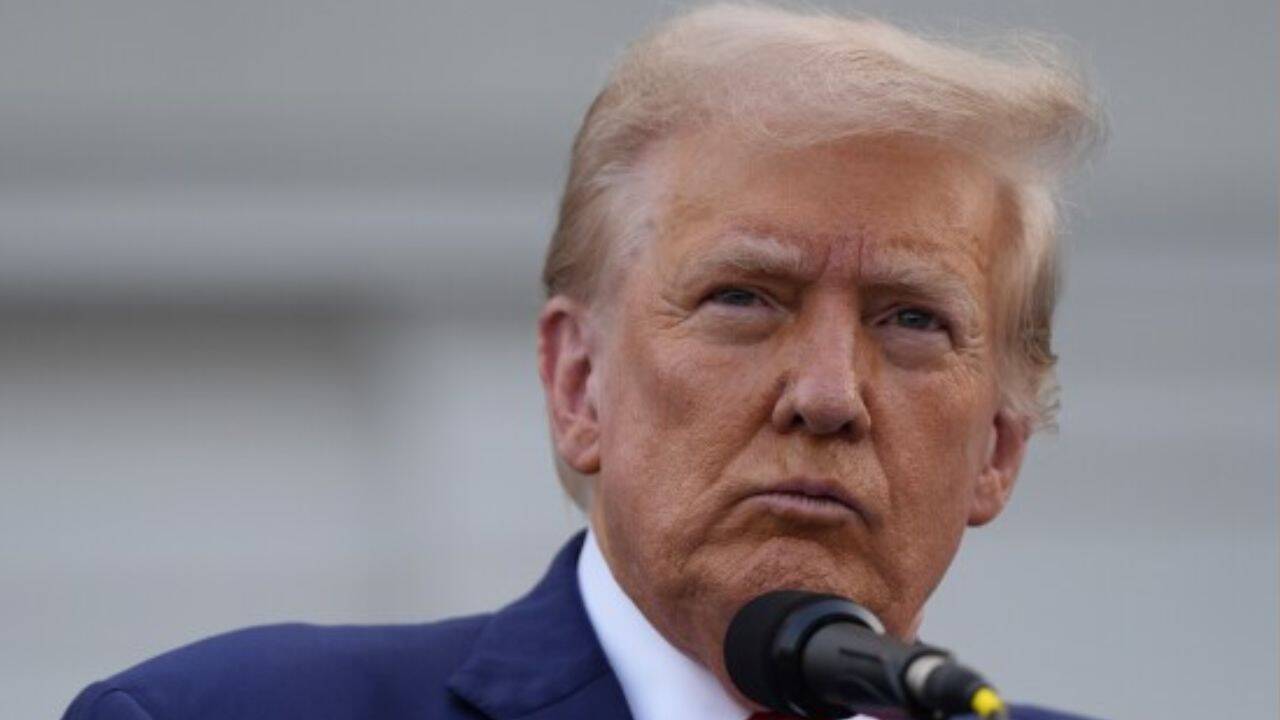
Donald Trump took to social media to announce that a Russia-Ukraine energy ceasefire was effective immediately, claiming both sides had agreed. Ukrainian President Volodymyr Zelensky's reaction was swift and blunt: it was news to him. This stark disconnect highlights the chaotic nature of backchannel diplomacy surrounding the war, where high-stakes announcements often outpace actual battlefield agreements.
If you look closely at how the current geopolitical chess match operates, you'll see why a sudden, unilateral declaration of peace falls flat. Kyiv and Moscow have spent years locked in a brutal long-range aerial war, targeting refineries, power grids, and fuel depots to cripple each other's economies. A simple social media post telling warring nations not to break a pact doesn't magically halt drone strikes or missile barrages.
Why the Energy Ceasefire Claims Fall Apart
Zelensky has repeatedly stated that Ukraine is open to halting attacks on Russian energy infrastructure, but under one strict condition. Moscow must reciprocate by stopping all strikes on Ukrainian power facilities first. Furthermore, Kyiv demands verified, real security guarantees rather than empty promises. When Trump posted "Do not break it!" on Truth Social, he skipped the crucial groundwork required to build mutual trust between two nations locked in an existential conflict.
The timing makes the announcement even more contentious. Just a day prior, Trump publicly criticized Zelensky, suggesting that Ukraine needed a new leader who could cut a deal faster. In response, Zelensky pointed out that leadership choices belong exclusively to the Ukrainian people, offering to organize elections if given a temporary sixty-day total ceasefire by Putin.
The Complex Realities of Backchannel Deals
Behind these public posturing moments lies a web of secondary economic pressures, including controversial U.S. decisions to lift certain sanctions on Russian diesel to manage global energy costs. Critics from both parties argue that easing restrictions while the conflict rages sends mixed signals. Energy markets react instantly to every headline, yet the actual infrastructure on the ground remains vulnerable to destruction.
Diplomacy requires tedious negotiations, verified parameters, and military compliance monitoring. Rushing out unverified declarations of ceasefires creates false hope and confusion for international observers trying to parse the truth.
To understand what comes next, watch the actual movement of drones and missiles over critical infrastructure nodes, not the feeds of social media accounts. Real peace is forged through hard verification, not sudden decrees.