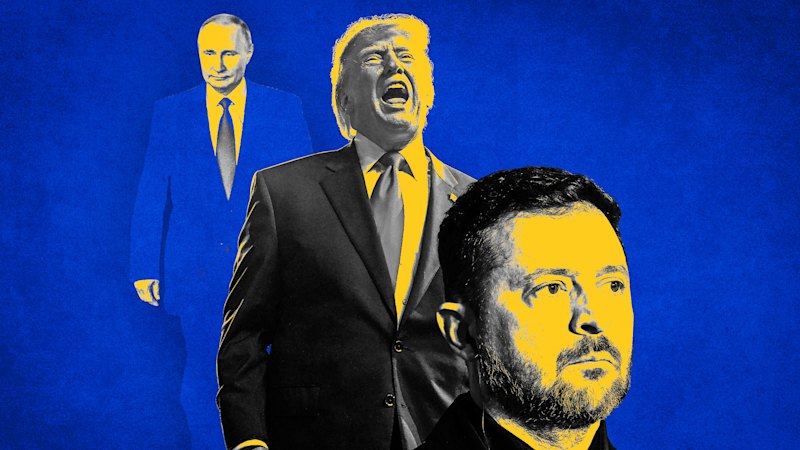
Foreign policy has always been a stage for Donald Trump, where dramatic declarations carry more weight than reality on the ground. When the White House announced a surprise energy truce between Russia and Ukraine, political strategists immediately recognized the familiar playbook. Midterm elections are weeks away, diesel prices are stinging American drivers, and a quick diplomatic miracle looks great on cable news.
The trouble with theatrical diplomacy is that bullets and drones don't follow a script.
Within hours of the grand announcement, Russian strikes slammed into Ukrainian infrastructure, blowing right through the so-called ceasefire before the ink could even dry. It is a harsh reminder that Vladimir Putin operates on different incentives entirely. While Washington worries about domestic voting trends, Moscow remains focused on grinding down Ukrainian resistance.
Why do politicians keep expecting shortcuts to work in a brutal war of attrition?
The math behind the latest deal tells the real story. The arrangement supposedly frees up roughly 800,000 tonnes of Russian diesel to help lower global fuel costs. Sounds impressive until you look at consumption. The American transport sector burns through more than 400,000 tonnes of diesel every single day. The announced relief amounts to roughly two days of supply spread across two months. It is an economic drop in the bucket, designed purely for campaign optics rather than market stabilization.
Yet the administration persists with the narrative that a stroke of a pen can halt a multi-year conflict.
Ukrainian President Volodymyr Zelensky finds himself walking a tightrope. Publicly nodding along to Western diplomatic maneuvers costs him nothing, but Kyiv knows better than to rely on promises from a partner who keeps scaling back critical aid. American military support has slowed to a trickle of what was delivered under previous terms, and key defense systems like Patriot interceptors are routinely withheld or limited.
Instead of waiting for Washington to broker a favorable peace, Ukraine continues doing what actually disrupts the Kremlin's war chest. Long-range drone strikes on Russian refineries have successfully crippled domestic fuel production, forcing Moscow to scramble. Reuters data from late last year showed nearly half of Russia's top diesel-producing refineries cutting output following precision drone attacks. When economic pressure works, you don't trade it away for a fake truce.
European allies watch this dance with quiet anxiety. Leaders across the continent bite their tongues rather than pick a public fight with the Oval Office, knowing that open defiance could shatter what remains of transatlantic unity. They quietly support Ukraine's defensive capabilities while bracing for the next unpredictable policy shift out of Washington.
Pretending a deal exists doesn't make it real. Voters see through the smoke and mirrors when fuel prices refuse to budge, and military analysts know that paper truces without enforcement mechanisms are worthless. Real security isn't built on press releases or election-year countdowns.
Stop looking for easy exits where none exist. Look at the actual logistics, watch the battlefield actions instead of the podium speeches, and measure policy by outcomes rather than announcements.