Headlines about plague always trigger an immediate medieval anxiety. When a laboratory worker in Siberia recently passed away after contracting an aggressive form of pneumonia, global news outlets naturally picked up the story. Panic spread faster than facts.
Let's clear the air right now. Public health agencies like the UK Health Security Agency have confirmed that the risk to the general public remains extremely low. You aren't going to catch the black death on your morning commute because a researcher thousands of miles away fell ill.
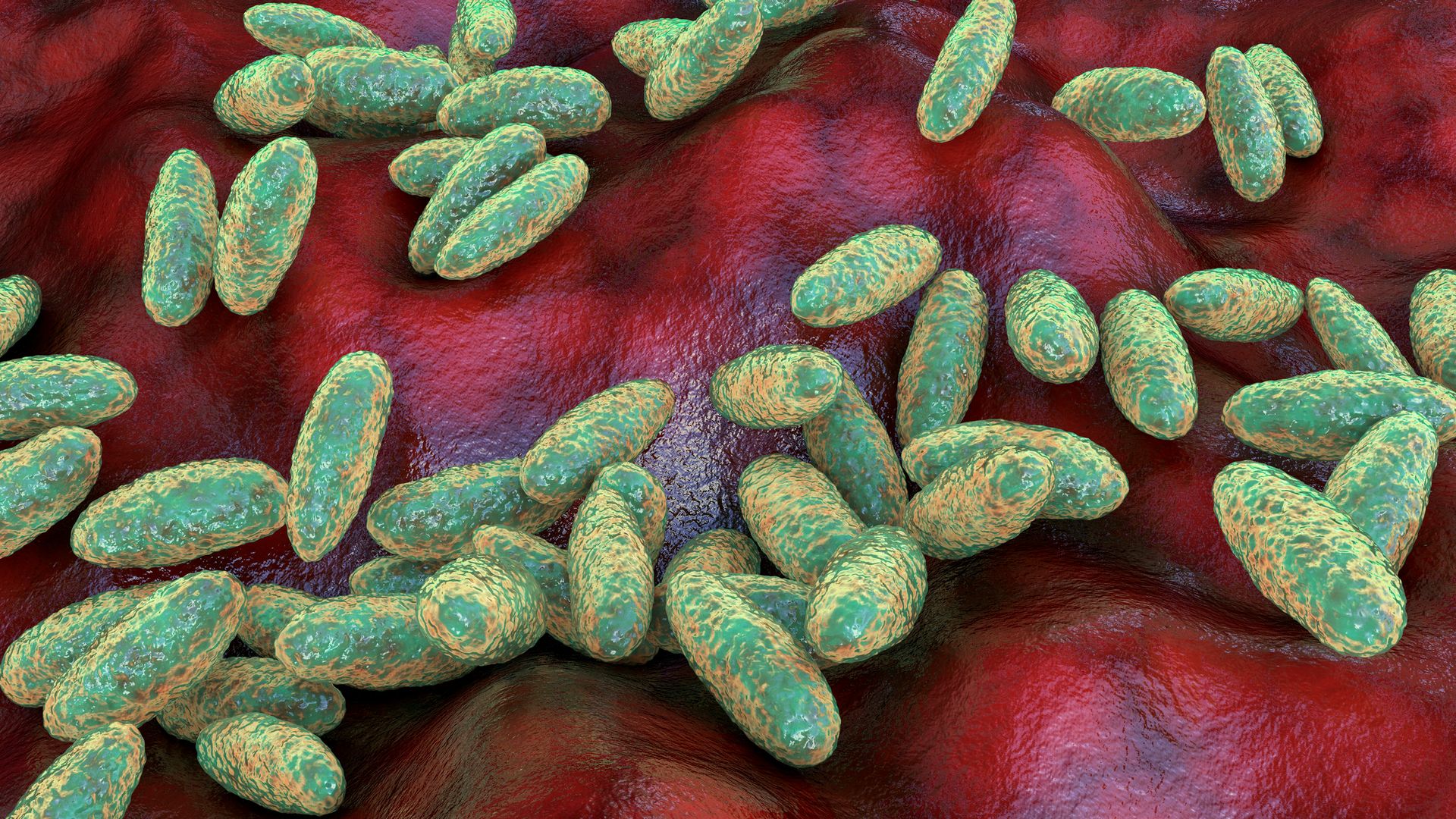
Yet, any mention of Yersinia pestis makes people nervous. Understanding what actually happened in Irkutsk helps separate sensationalized headlines from biological reality.
What Actually Happened at the Siberian Lab
The incident centers on a 28-year-old employee working at the Irkutsk Anti-Plague Research Institute of Siberia and the Far East. She was hospitalized late in September with a severe respiratory illness. Despite receiving intensive care on a ventilator, she died within days.
Local reports and regional officials pointed toward suspected pneumonic plague. Russian authorities immediately enacted strict containment protocols. They quarantined the hospital ward where she was treated and placed roughly 200 contacts under active observation.
Institutes like the one in Irkutsk study dangerous pathogens to develop vaccines and treatments. Working with these agents carries inherent occupational risks, even with stringent biosafety controls. Right now, investigators are untangling whether her exposure was directly tied to her laboratory duties or an environmental source.
Understanding Pneumonic Plague
Most people picture bubonic plague when they hear the word, remembering flea-bitten rats running through London streets. Pneumonic plague is an entirely different beast. It infects the lungs and spreads person-to-person through respiratory droplets.
The incubation period moves frighteningly fast. Symptoms can appear within twenty-four hours of exposure. Patients experience severe respiratory distress, coughing, and blood-tainted sputum.
Antibiotics cure it easily if caught early. Modern medicine handles Yersinia pestis without issue, provided treatment starts within the first day or two of symptom onset. Penicillin, streptomycin, and doxycycline knock the bacteria out efficiently. It's only dangerous when misdiagnosed or ignored until respiratory failure sets in.
Why Health Officials Aren't Sweating It
International health monitors and domestic agencies like the UKHSA track these incidents closely through established global health channels. They evaluate risk based on transmission mechanics and geographic isolation.
First, modern sanitation and housing standards block the vectors that sustained historical outbreaks. Second, pneumonic plague does not spread easily through casual contact. Transmission requires close, sustained exposure to someone actively coughing up infectious droplets.
Russia's swift quarantine measures effectively threw a wet blanket over potential secondary transmission chains. Contact tracing caught the people who interacted with the victim before isolation protocols kicked in.
Separating Media Drama from Medical Facts
Journalists love the word plague because it sells clicks. Mentioning historic pandemics generates immediate emotional engagement.
Health authorities approach these events with cold mathematics. They look at R-naught values, containment radiuses, and antibiotic availability. When a localized occupational exposure happens in a monitored facility, it stays localized.
You don't need to stockpile antibiotics or cancel travel plans. Real biological threats require active community spread and failing healthcare infrastructure. Neither condition applies here.
Wash your hands, ignore viral social media panic, and trust that modern biosecurity protocols function exactly as intended when incidents occur.