Airspace closures do not normally happen by accident. When a routine diplomatic transport is grounded because an explosive projectile crosses international borders, security protocols change overnight.
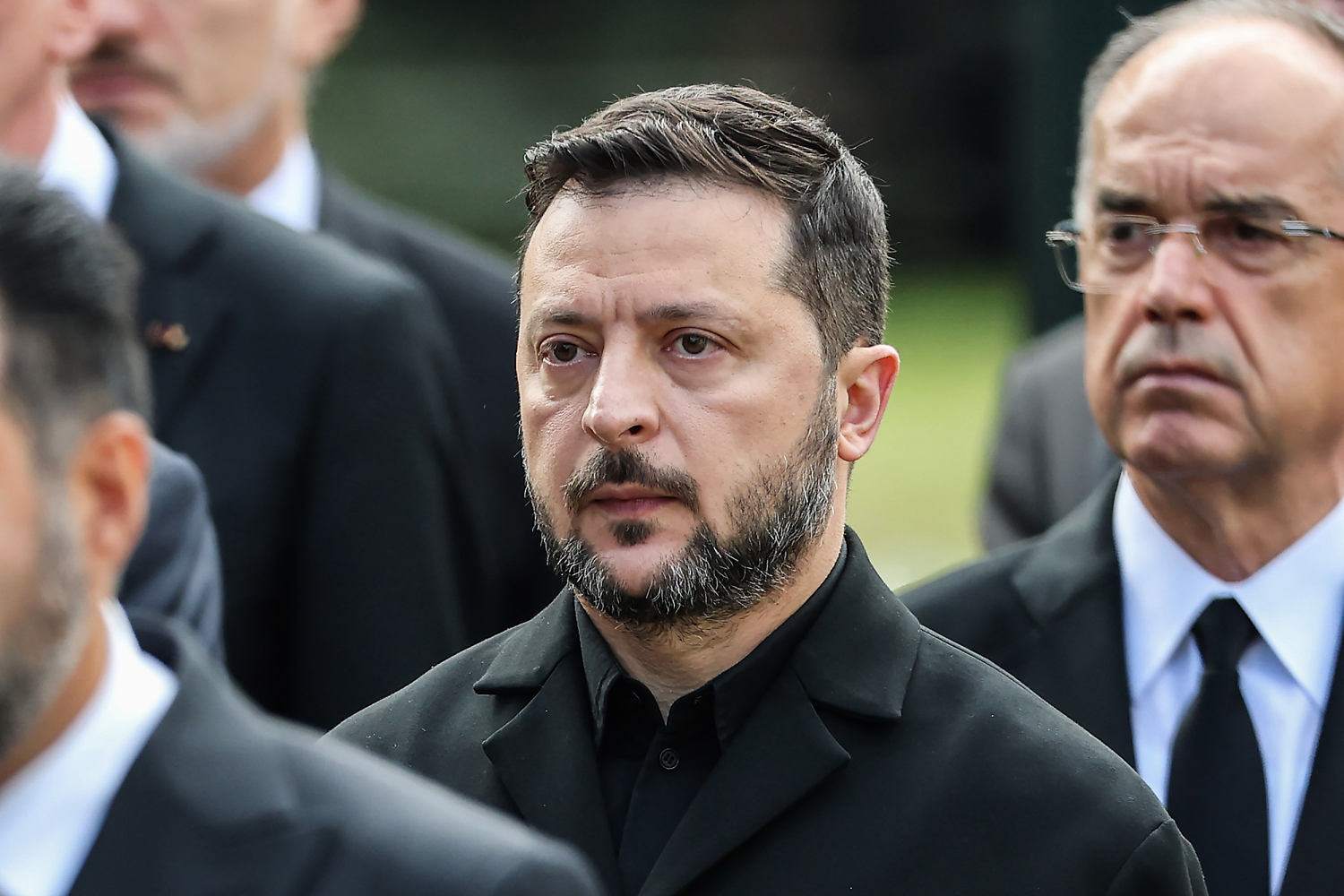
Ukrainian President Volodymyr Zelenskyy faced an alarming security breach when his flight out of Moldova was abruptly halted. A Russian drone incursion triggered immediate airspace shutdowns, leaving high-level state travel directly exposed to modern aerial warfare. Norwegian Prime Minister Jonas Gahr Støre later revealed that the aircraft nearly crossed paths with a drone during takeoff procedures. Don't miss our recent coverage on this related article.
It is easy to view this as a localized mishap. It isn't. The incident exposes the fragile reality of European airspace security as stray munitions routinely drift across borders.
The Anatomy of the Moldova Airspace Shutdown
The crisis began unfolding on a Tuesday afternoon. Moldovan radar picked up unauthorized aerial objects breaching national boundaries. One Geran-type drone crashed into a sunflower field in the Riscani district, roughly 160 kilometers away from Chișinău International Airport. The impact caused four separate fires and left a considerable crater. To read more about the history of this, The Washington Post provides an informative breakdown.
Instead of treating the anomaly as a minor border violation, authorities took immediate action. Moldovan officials shut down national airspace entirely. That decision blocked three outgoing commercial and state flights, including the plane designated to carry Zelenskyy to Oslo for the funeral of Norway's King Harald V.
Stopping presidential transit is never done lightly. Security teams weighed the risks of an active aerial threat against a rigid diplomatic schedule and chose safety.
How NATO Air Policing Failed to Prevent the Incursion
What makes this event deeply concerning is the trajectory of the drone itself. The device didn't just appear out of nowhere inside Moldova. Reports confirmed it crossed into Romania, a NATO member state, before looping back into Moldovan airspace.
Spanish Air and Space Forces scrambled F-18 fighter jets to track the object as it navigated through northeastern Romanian counties. Despite multi-national monitoring, the drone maintained its path until it eventually detonated in a rural field.
This highlights a glaring vulnerability in regional defense infrastructure. Drones flying at lower altitudes and erratic speeds slip through conventional tracking gaps. They blur the line between active conflict zones and neutral territories. When a foreign military asset can freely wander across NATO borders and threaten a head of state's departure route, current interception protocols are clearly falling short.
The Broader Geopolitical Fallout
Moldova has seen dozens of airspace violations since the full-scale invasion of Ukraine began. Each occurrence tests the small nation's diplomatic resolve and emergency response systems. Moldovan President Maia Sandu has repeatedly condemned these violations as a direct threat to civilian lives and regional stability.
Yet condemnations do little to stop low-flying munitions. Eastern European nations find themselves trapped in the crossfire of a war fought increasingly with autonomous technology. Air defense umbrellas designed for fast-moving fighter jets struggle to neutralize thousands of cheap, loitering explosives.
When leaders like Zelenskyy face direct operational threats outside active war zones, security paradigms shift. Travel logistics for international summits can no longer rely on standard civil aviation safety margins.
The skies over Eastern Europe are no longer safe transit lanes. Until regional air defense networks adapt to constant drone incursions, expect more sudden groundings, missed diplomatic engagements, and terrifyingly close calls.

/plaza-de-espa-a-at-dusk--seville--spain-499790854-5aa55d6c1f4e130037937244.jpg)

