Thirty-five years of relative stability just evaporated in New York. When the United Nations Security Council failed to extend the mandate for MINURSO, the peacekeeping mission in Western Sahara came to an abrupt, unceremonious halt. For decades, that mission acted as a structural buffer between Morocco and the Algeria-backed Polisario Front. Now, that buffer is gone.
UN Secretary-General António Guterres has already warned of an immediate risk of military escalation across the territory. If you think this is just diplomatic paperwork, you're missing the bigger picture. When international monitors pack up their gear and start repatriating equipment, local flashpoints stop being managed and start turning into active battlegrounds.
The Breakdown That Led to the Collapse
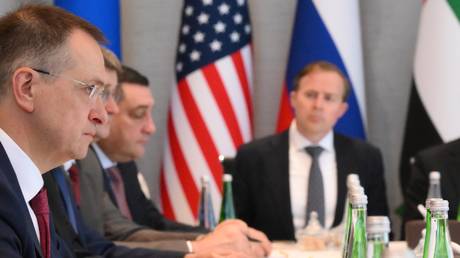
The collapse didn't happen in a vacuum. It was the result of a bitter diplomatic deadlock at the UN Security Council. The United States pushed for a resolution that leaned heavily toward Morocco's autonomy proposal, effectively sidelining the long-dormant dream of a self-determination referendum. Russia responded with a veto of the US-backed draft, while a rival Russian proposal failed to secure the necessary nine votes.
The result? Total gridlock. The mandate expired on October 31, 2026, and the mission entered an immediate liquidation phase.
Morocco's royal palace openly welcomed the non-renewal, viewing the mission as an outdated mechanism that internationalized a regional dispute. On the flip side, Algeria and the Polisario Front condemned the outcome. Algeria's Foreign Ministry blasted what it termed the excessive bias of Western powers toward Rabat's sovereignty claims.
Why This Spark Threatens North Africa
Western Sahara isn't just a remote stretch of desert. It's the central fault line in the bitter rivalry between Morocco and Algiers. Those two regional heavyweights severed diplomatic ties back in 2021, and tensions have simmered ever since.
Keep in mind that the fragile 1991 ceasefire already fractured in late 2020 after clashes broke out near Guerguerat. Since then, low-intensity hostilities have been the baseline. Without MINURSO personnel on the ground to monitor movements, verify ceasefires, and maintain communication channels between opposing forces, the margin for error is razor-thin.
- Intelligence Vacuum: Without UN observers, independent verification of troop movements or border skirmishes disappears.
- Arms Race Pressures: Algeria arms, funds, and hosts the Polisario Front in the Tindouf camps. The absence of a political track risks supercharging military spending on both sides of the border.
- Proxy Risks: In a region already grappling with spillover instability from the Sahel, any direct military friction between Rabat and Algiers carries catastrophic regional costs.
What Happens Next on the Ground
A reduced UN team under the Department of Operational Support is currently managing asset disposal and staff repatriation. Once those trucks roll out, the diplomatic guardrails vanish entirely.
The status quo is officially dead. Morocco controls the vast majority of the territory and insists that autonomy under its flag is the only realistic endgame. The Polisario Front maintains that abandoning the promise of a referendum betrays the Sahrawi people.
Without a credible international mediator left in the room, both sides are staring down an unyielding security dilemma. Trust is zero, communication channels are offline, and the risk of a miscalculation turning into a broader war is higher than it has been in a generation. Watch the border closely. The quiet phase of the Western Sahara conflict is officially over.