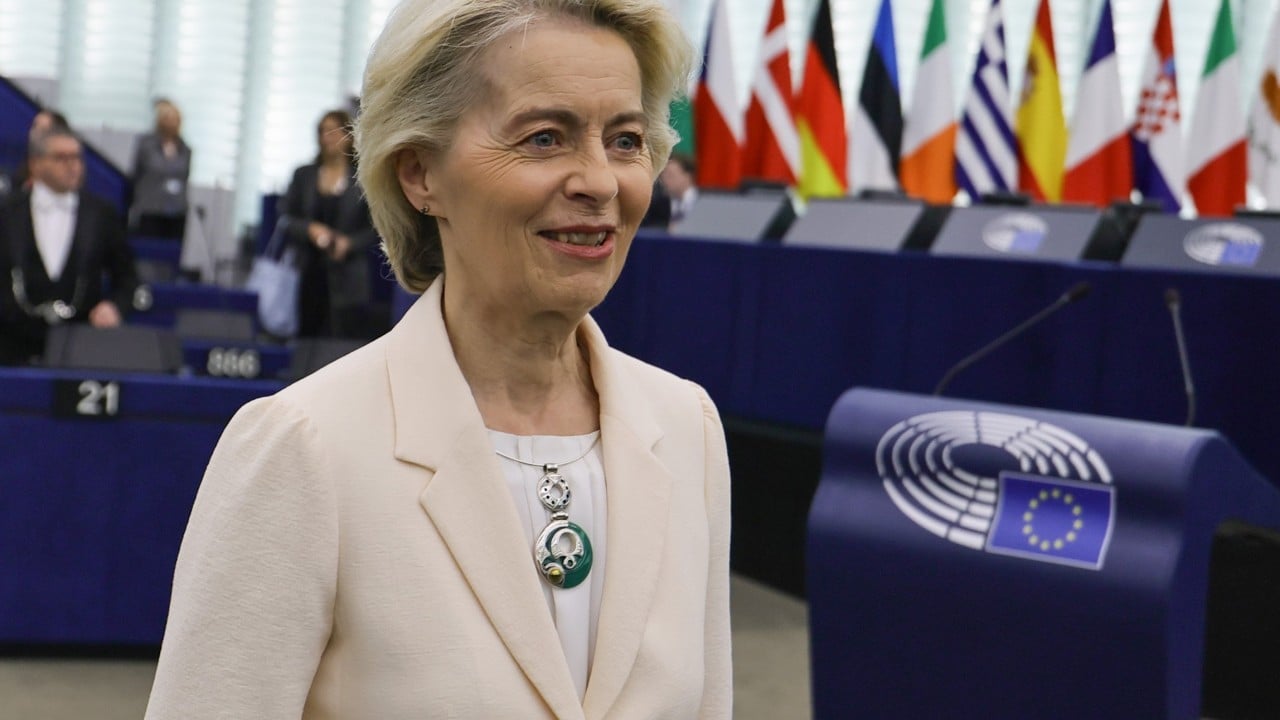
Brussels loves a good trade ultimatum. When European negotiators secure a minor concession or a provisional compromise, champagne corks pop across the Berlaymont. Officials start whispering that the hardball strategy worked. They convince themselves that Beijing is finally buckling under the weight of tariffs, quotas, and regulatory threats.
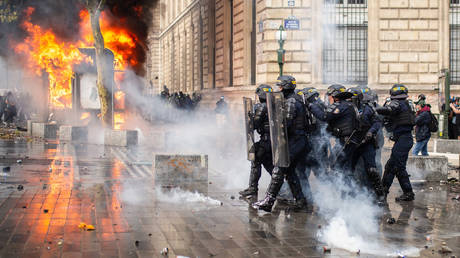
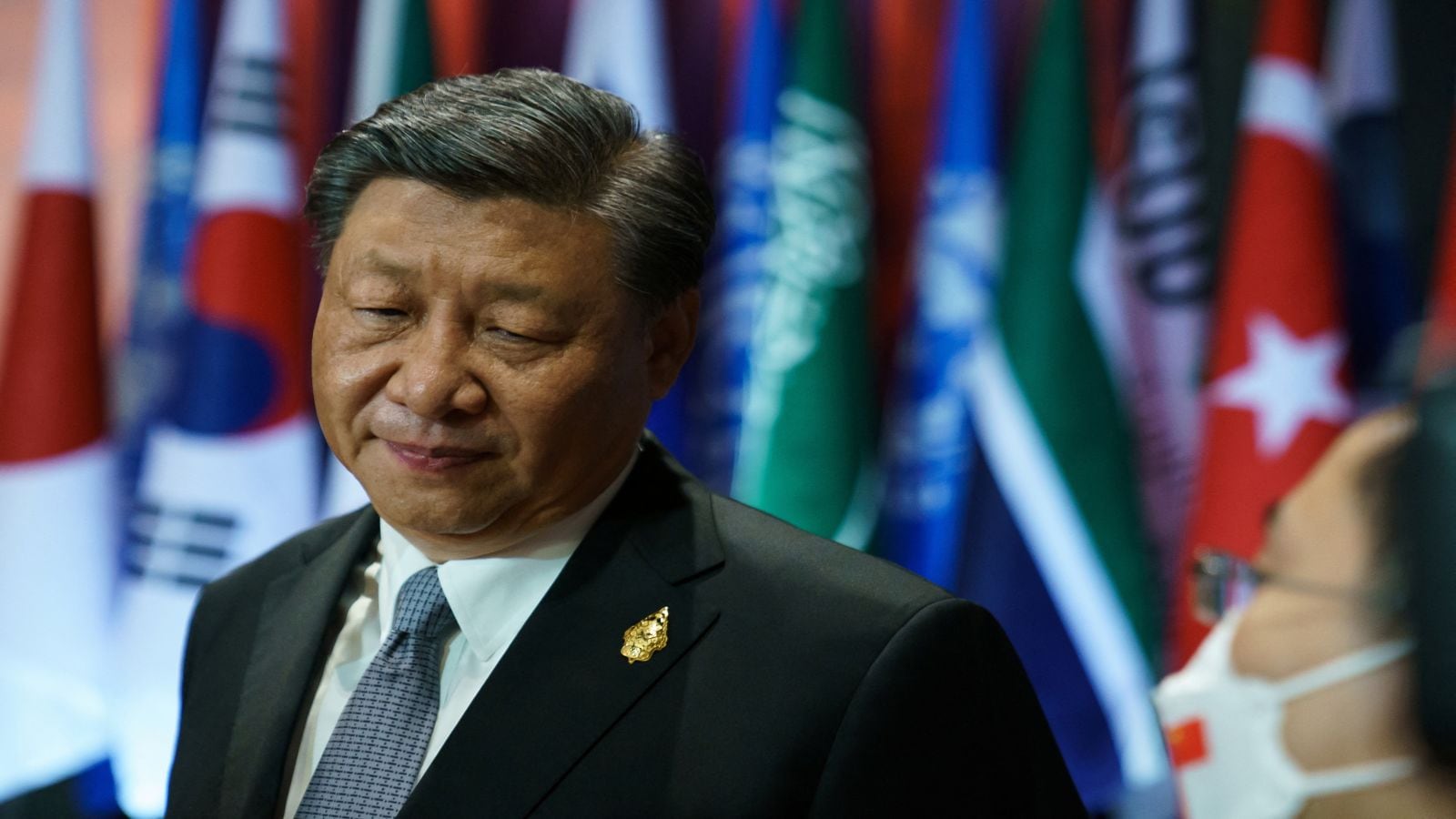
It is a massive miscalculation. Veterans of international diplomacy warn that treating trade pragmatism as capitulation will backfire spectacularly. China isn't caving to European pressure. Beijing is simply managing friction while protecting its core industrial ambitions, and anyone who thinks otherwise is misreading the room. You might also find this connected article insightful: Why French Police Are Suing Their Own Government Amid Nationwide Chaos.
The Trap of Misinterpreting Compromise
Diplomacy requires movement from both sides. When Beijing agrees to talk about hybrid car limits or adjusts shipment schedules, it does so out of calculated self-interest, not fear. Yet, European policymakers have a habit of internalizing these adjustments as proof that their threats are working.
This creates a dangerous feedback loop. Brussels ratchets up the rhetoric, introduces aggressive defensive tools, and waits for Beijing to fold. When Beijing responds with targeted countermeasures or steadfast resistance, European leaders act surprised. As discussed in recent articles by BBC News, the implications are notable.
Former diplomats point out that treating trade negotiations as a zero-sum game where one side breaks is historically illiterate. China has weathered decades of external pressure, economic sanctions, and technological embargoes. A few regulatory hurdles from the European Union won't rewrite a multi-decade industrial strategy.
Why Domestic Realities Drive Beijing's Stance
Let's look at the numbers. China's industrial output commands nearly thirty percent of the global share, while domestic consumption lags behind. This imbalance produces massive trade surpluses that inevitably spill over into foreign markets.
Beijing faces its own severe domestic pressures. Weak local consumption and real estate headwinds mean manufacturing exports remain a critical engine for economic stabilization. When European leaders demand that China unilaterally curb its industrial output or dismantle its subsidies, they are asking Beijing to solve Europe's uncompetitiveness at the expense of its own growth.
No government in Beijing can accept that arrangement and survive politically. Expecting China to sacrifice its manufacturing dominance to appease European protectionism ignores how political survival works in the world's second-largest economy.
The Cost of Escalating Trade Friction
Europe has plenty of defensive weapons in its arsenal. From anti-subsidy probes and foreign investment screenings to the much-touted Anti-Coercion Instrument, Brussels has built a formidable regulatory machine.
The problem isn't a lack of tools. The problem is an overestimation of what those tools can achieve. Tariffs and import caps can distort markets, but they cannot manufacture cheap energy, restore industrial competitiveness, or reverse years of underinvestment in European technology.
When European leaders rely on protectionism as a substitute for structural reform, they create self-inflicted wounds. Germany's industrial base is already feeling the pinch of high energy costs and shifting global supply chains. Threatening a full-scale trade war with your largest trading partner doesn't project strength. It projects desperation.
Moving Past the Illusion
If Brussels wants a stable economic relationship with Beijing, it has to drop the paternalistic playbook. Demanding unilateral submission will only guarantee retaliation.
Real diplomacy means recognizing that interdependence works both ways. Europe needs Chinese markets and supply chains just as much as China needs European buyers. Pretending that economic gravity can be legislated away by executive fiat is a luxury Europe can't afford.
Stop waiting for Beijing to surrender. Start focusing on internal economic renewal instead of manufacturing external villains.