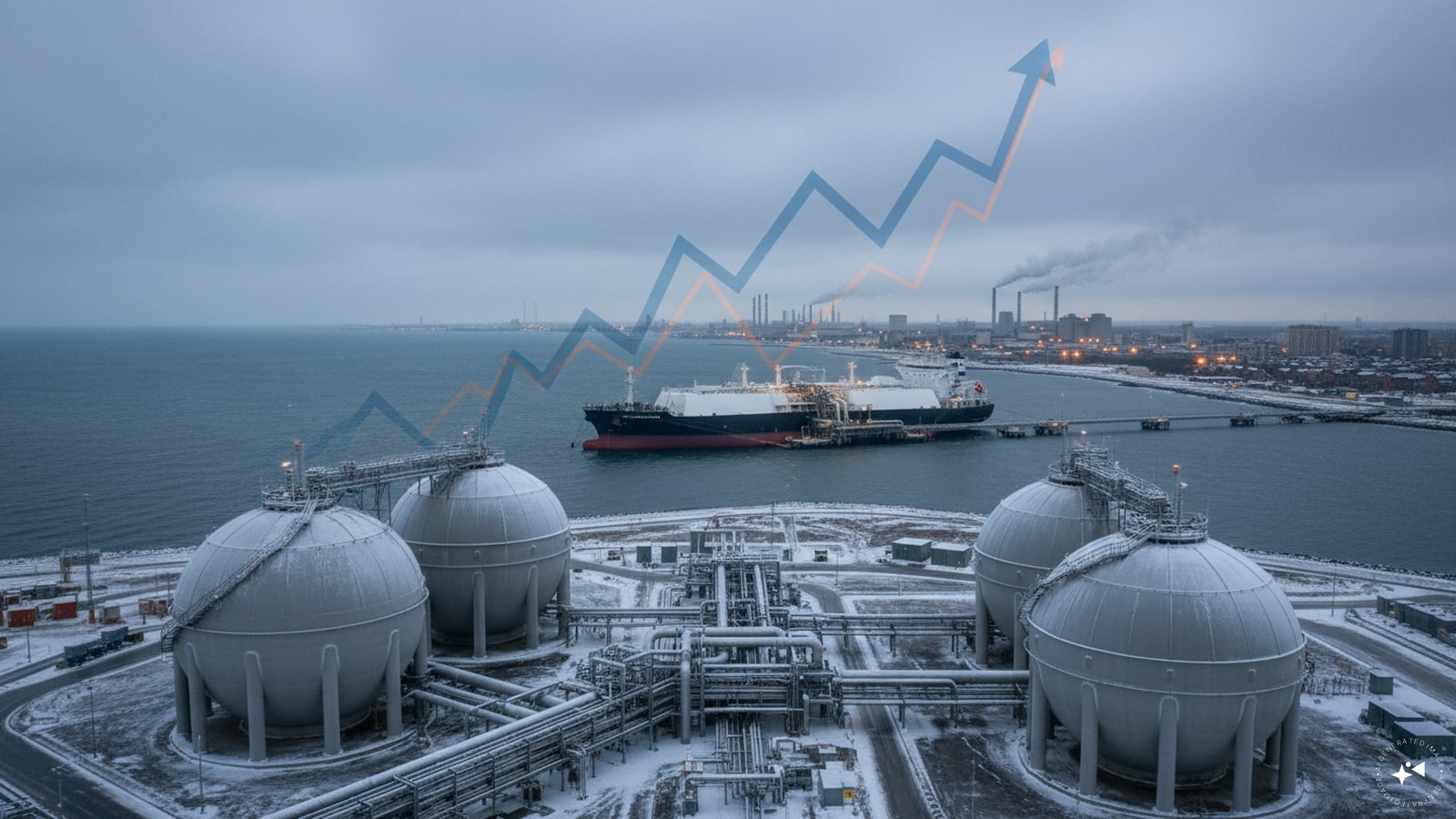
European natural gas futures climbed past 100 euros per megawatt-hour on the Dutch TTF benchmark for the first time since December 2022. If you thought the extreme volatility of the past few years was permanently behind us, market realities just delivered a harsh wake-up call.
We are hurtling toward the peak heating season with storage inventories sitting significantly below historical averages. When you combine tight reserves with persistent geopolitical friction in the Middle East and constrained liquefied natural gas flows through critical shipping chokepoints like the Strait of Hormuz, triple-digit gas prices cease to feel like a shock and start looking like a terrifyingly familiar recurring nightmare.
The Perfect Storm Behind the 100 Euro Breakthrough
The market doesn't panic over nothing. Several compounding pressures forced reference contracts through the psychological ceiling of 100 euros.
EU storage facilities hover around 75 percent full as late October ticks away. Compare that to the comfortable safety margins we usually demand before winter sets in, and you realize how razor-thin the margin for error has become. Germany and the Netherlands report even lower inventory levels, sitting roughly between 60 and 65 percent.
At the same time, global LNG supplies face ongoing disruptions originating in the Persian Gulf and broader Middle Eastern conflicts. Shippers are avoiding volatile corridors, and Asian buyers are stepping up competition for available spot cargoes.
Energy Commissioner Dan Jørgensen didn't mince words when addressing Brussels reporters recently. He warned that Europe faces another full-blown energy crisis and a punishing winter ahead for consumers and businesses alike. Fuel bills are already climbing dramatically, triggering flashbacks to the chaotic days that followed the outbreak of war in Ukraine.
Industries Feel the Pinch First
Higher wholesale prices never stay trapped on trading floors. They bleed directly into the real economy within days.
Energy-intensive sectors—think steel, chemicals, and fertilizer manufacturing—are already cutting back production capacity. They simply cannot absorb raw material costs trading above 100 euros per MWh without destroying their margins entirely.
If you run a manufacturing plant or manage industrial procurement, you know the playbook. You either pass those exorbitant costs down the supply chain or shut down lines when the math stops working. Fertilizer plants scaling back output today directly translates to higher agricultural costs and food inflation tomorrow. It is a domino effect that nobody escapes.
Are We Heading Back to 2022 Chaos?
Let's be clear. While crossing 100 euros per megawatt-hour feels dramatic, we remain a long way from the all-time peak of roughly 340 euros recorded back in August 2022. European infrastructure has diversified supply routes, increased terminal capacity for American and Qatari LNG, and forced down baseline gas consumption across member states over the last few years.
Even so, vulnerability remains the defining feature of the current energy landscape. If an early cold snap hits northwestern Europe this November, heating demand will spike violently. With storage buffers depleted and spot LNG cargoes fiercely contested on global markets, prices could easily swing higher before the year ends.
Governments and utility providers are scrambling to secure additional supplies, but options are limited when global refinery output stays constrained. The system runs hot, margins remain slim, and weather forecasts will dictate financial pain thresholds for millions of households over the coming months.
Monitor short-term weather forecasts closely, evaluate energy hedging strategies immediately if you manage industrial assets, and prepare for a winter where energy bills will dominate household budgets once again.