Brussels is trying to force European companies to abandon Chinese supply chains, and business leaders are furious. Regulators in the European Commission are drawing up a trio of policies designed to wind down dependencies on Beijing. But the corporate world isn't playing along. Major industry groups argue that these new mandates ignore basic economic reality, threaten supply chain collapse, and impose impossible regulatory burdens on companies trying to stay competitive.
The conflict centers around an upcoming package of economic tools slated for release in December. While the official policy text avoids explicitly naming China, the underlying objective is obvious. Brussels wants the power to force companies out of Chinese supplier networks, penalize reliance on Beijing through targeted tariffs, and deploy rapid response triggers to lock Chinese firms out of the European market entirely.
European policymakers call this de-risking. Corporate leaders call it regulatory detachment.
The Reality of Supply Chain Dependence
If you talk to manufacturing executives across Germany, France, and Italy, you hear the same frustration. Brussels bureaucrats sit in climate-controlled offices and talk about strategic autonomy as if alternative suppliers grow on trees. They don't.
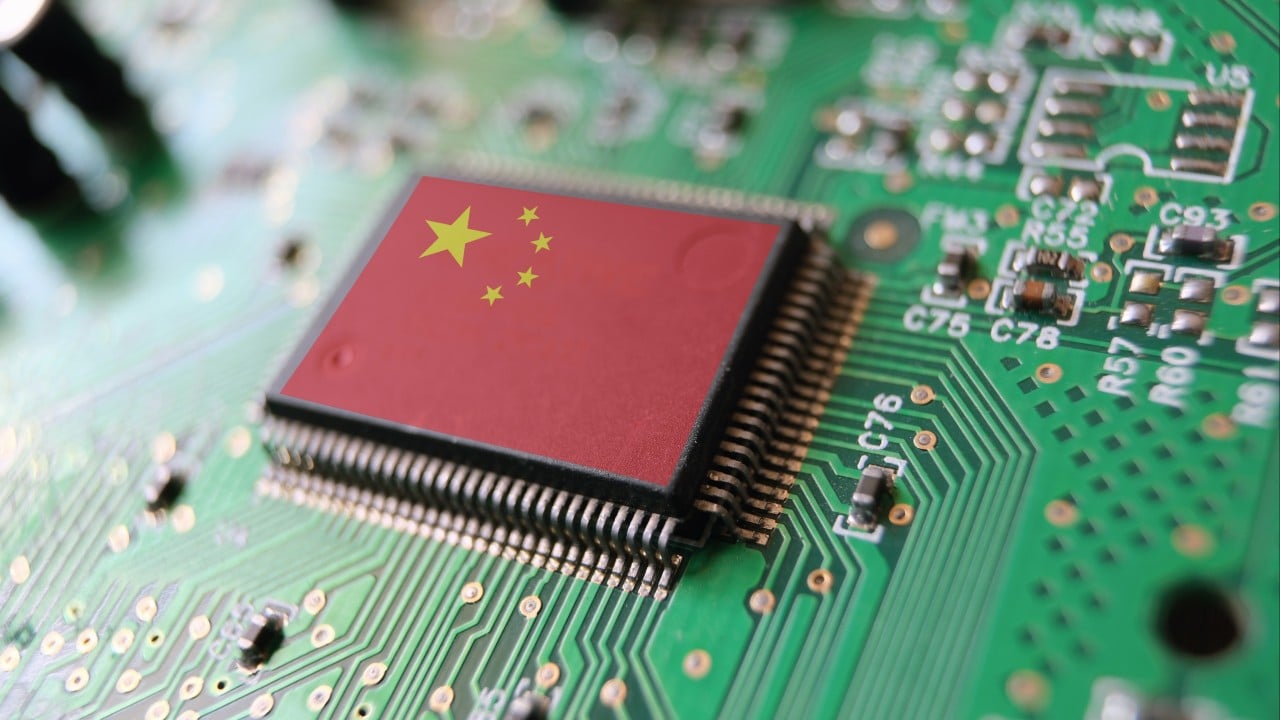
Take rare earths, permanent magnets, battery materials, advanced displays, and specialized semiconductors. For these critical inputs, Europe lacks both the raw materials and the manufacturing ecosystem to build an alternative base overnight.
As the European Automobile Manufacturers' Association pointed out in regulatory filings, forcing companies to ditch established Chinese suppliers right now means forcing them into an impossible corner. There are no alternative vendors ready to scale to European demand. Sourcing components from elsewhere often means paying double or triple the price, which instantly prices European goods out of the global market.
Three Tools Facing Severe Corporate Backlash
The upcoming December legislative package relies on three primary instruments, each designed to shift power away from Beijing and into the hands of EU trade enforcers.
The first mechanism, known tentatively as DiversifyEU, aims to compel businesses in critical sectors to widen their supplier pools. Brussels plans to use a mix of carrots and sticks. Companies that comply might get priority access to public contracts and subsidies. Those that drag their feet could face punitive measures or trade restrictions.
The second tool creates a solidarity fund designed to compensate European firms that get caught in the crossfire of retaliatory trade disputes. It sounds helpful on paper. In practice, businesses worry it's a bureaucratic bandage for a self-inflicted wound. If Brussels picks a fight with Beijing, a compensation pool won't save companies from losing access to vital components or facing swift counter-sanctions on their exports into China.
The third instrument is a rapid response trigger, often described in trade circles as a market kill switch. This tool would allow the EU to slam the door shut on foreign companies or entire product categories from nations deemed guilty of economic coercion or unfair market distortion.
Why Companies Are Pushing Back So Hard
European corporations have learned a bitter lesson from past regulatory overreaches. They remember how complex ESG reporting rules and supply chain tracking mandates bogged down daily operations with endless paperwork.
This new push feels worse. It shifts geopolitical risk directly onto corporate balance sheets. Business groups argue that trade policy should protect industry, not penalize it for buying efficient inputs. When energy costs are already high and global demand is soft, companies cannot afford to spend billions redesigning supply chains just to satisfy political ambitions in Brussels.
Furthermore, Beijing is watching closely. Chinese authorities have already made it clear that unilateral European restrictions will not go unanswered. Recent trade probes into European chemicals and manufactured goods show that China has plenty of room to retaliate if the EU escalates tensions.
European companies are caught in the middle. They are squeezed between aggressive trade hawks in Brussels and a critical trading partner in Beijing.
The upcoming December rollout will test how much political muscle the European Commission actually has. If businesses continue to dig their heels in, Brussels may find out that writing regulations is easy, but forcing the private sector to sever profitable supply chains is entirely different.
Diversification works when alternatives make economic sense. When they don't, regulation just becomes a tax on common sense.