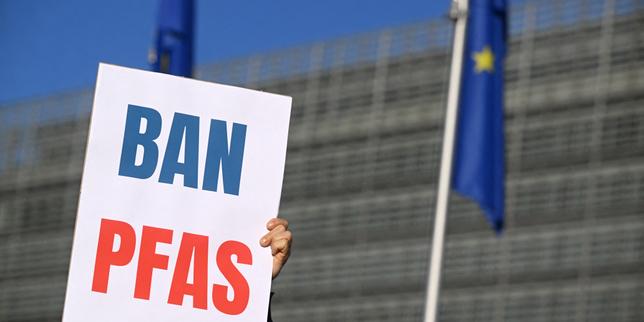
You can't see them, you can't taste them, and they're probably sitting in your bloodstream right now. Per- and polyfluoroalkyl substances don't break down. That's why scientists call them forever chemicals. They coat non-stick pans, waterproof your winter jacket, and linger in municipal water supplies.
Now, the European Court of Auditors has dropped a blunt warning. The European Union is moving far too slowly to protect its citizens from this chemical threat. Auditors describe the current regulatory pace as a ticking time bomb, and honestly, they're right.
The Regulatory Gridlock Is Costing Us
Brussels has spent years debating restrictions while chemical lobbies push back at every turn. Assessing a single hazardous substance can take up to six years under current EU frameworks. Adopting actual restrictions takes nearly five years more. That timeline is a joke when dealing with persistent pollutants that accumulate in human tissue and ecosystems year after year.
The audit highlights a glaring problem with food safety controls across the bloc. While Brussels has set limits for a handful of specific compounds, thousands of other dangerous variants remain unregulated. To make matters worse, testing varies wildly between member states. Five European countries submitted zero food-monitoring data between 2020 and 2024. That leaves massive blind spots in public health protection.
Think about what those gaps mean on your plate. According to the court's findings, eating just seven grams of certain fish or a small portion of contaminated food can push a person past their tolerable weekly intake threshold. Existing safety limits rely on science that is roughly a decade old. We are using outdated yardsticks to measure a rapidly evolving crisis.
Enforcement Is Missing in Action
Passing rules on paper doesn't fix a contaminated water table. A full third of EU member states admitted they don't conduct targeted checks to verify compliance with chemical regulations. When governments treat enforcement as optional, manufacturers keep pumping toxins into the environment.
trifluoroacetic acid, known as TFA, provides a prime example of regulatory blind spots. This breakdown product from industrial processes and pesticides is now the most abundant form of synthetic chemical found in the environment. Yet, it sits completely unmonitored in many standard testing protocols.
Industry pushback explains part of the delay. Manufacturers argue that sweeping restrictions will cripple European competitiveness, pointing to essential uses in medical devices and green energy technologies. But waiting for perfect alternatives while public health degrades is a losing strategy.
What Needs to Happen Now
The European Commission faces a critical deadline. A sweeping proposal for a universal restriction is slated for review, with final decisions expected as the decade progresses.
If the Union wants to defuse this chemical crisis, it needs to abandon incremental delays. Governments must mandate rigorous testing across all food and water supply chains immediately. Member states that refuse to monitor toxic residues should face real political and financial penalties.
Stop waiting for absolute consensus while citizens absorb more toxins every day. Protecting public health has to outweigh corporate convenience.