The European version of the song contest has spent decades pretending it is entirely about music while doubling as a chaotic proxy battlefield for international relations. When the inaugural Eurovision Asia launched in Bangkok, Thailand, observers naturally braced for a wave of regional tensions. After all, Asia has no shortage of historical rivalries and simmering border disputes. Yet, the first iteration of the contest managed to sidestep the heavy political baggage that currently plagues its 70-year-old European parent.
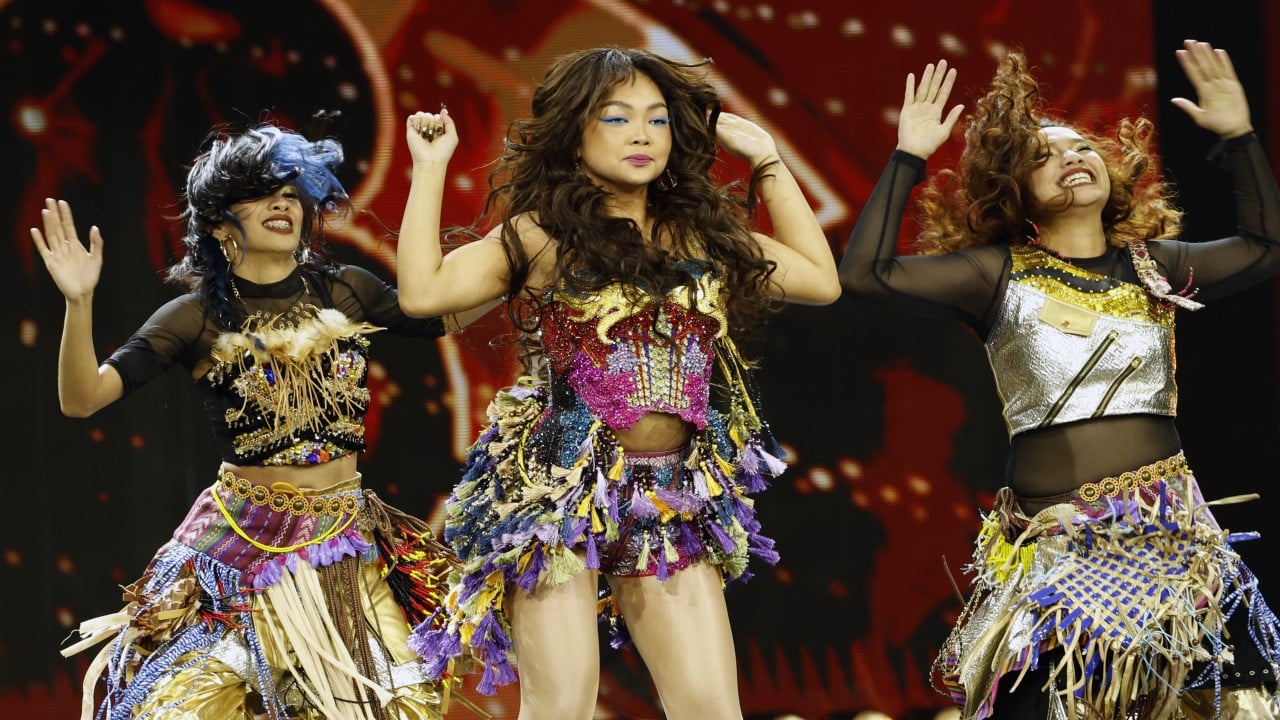
If you look closely at how the inaugural event played out, the contrast is striking. Europe spent 2026 grappling with massive boycotts over Middle Eastern conflicts, plummeting viewing figures, and endless boardroom scrambles over televoting integrity. Meanwhile, the stage in Bangkok featured eleven acts ranging from Bhutanese folk-pop to upbeat empowerment anthems from the Philippines, with artists choosing to focus on spectacle and cross-cultural curiosity rather than diplomatic point-scoring. Discover more on a similar subject: this related article.
The Missing Heavyweights Change the Equation
A major reason Eurovision Asia avoided immediate geopolitical fireworks comes down to who wasn't in the room. The initial lineup featured eleven mostly Southeast Asian nations. Noticeably absent from the bracket were regional powerhouses like China, India, Japan, and Pakistan.
Without the massive diplomatic gravity fields of these superpowers pulling contestants into regional blocs, the stakes felt different. While local frictions exist—such as past border flare-ups between Thailand and Cambodia—artists like Thailand's Mang and Daou brushed past political inquiries to focus on their performance. Executive producer Assaf Blecher noted that the debut felt "a little bit more innocent" compared to the high-stakes theater Europe has normalized. Additional reporting by IGN delves into similar views on this issue.
Music First or Quiet Diplomacy
Critics often argue that song contests can act as soft-power tools. When Bhutan's 24-year-old singer Nyendra stepped outside his home country for the very first time to perform in traditional national dress, the narrative wasn't about geopolitical leverage. It was about pure visibility for a nation of 800,000 people.
Political scientists studying voting behavior often find that aesthetic preferences and catchiness routinely outweigh geopolitical malice, even in Europe. In Asia's debut, that dynamic was even more pronounced. Acts like Malaysia's Aina Abdul performed in English to bridge gaps, while Mongolian competitor Beck championed the stage as a safe haven away from global headaches.
Growing Pains and Future Tests
Of course, a smooth debut doesn't mean the format will stay insulated forever. Organizers are already eyeing an expanded roster for future years, with potential interest from places like Hong Kong, Taiwan, and mainland China. The moment major economic and territorial competitors enter the fray, the delicate avoidance of politics will face its real trial.
For now, Bangkok's successful launch proves that an Asian adaptation can carve out its own identity. It traded European-style polarization for a simpler goal: establishing a brand. Whether it can maintain that innocence as bigger players join the lineup remains the ultimate question.