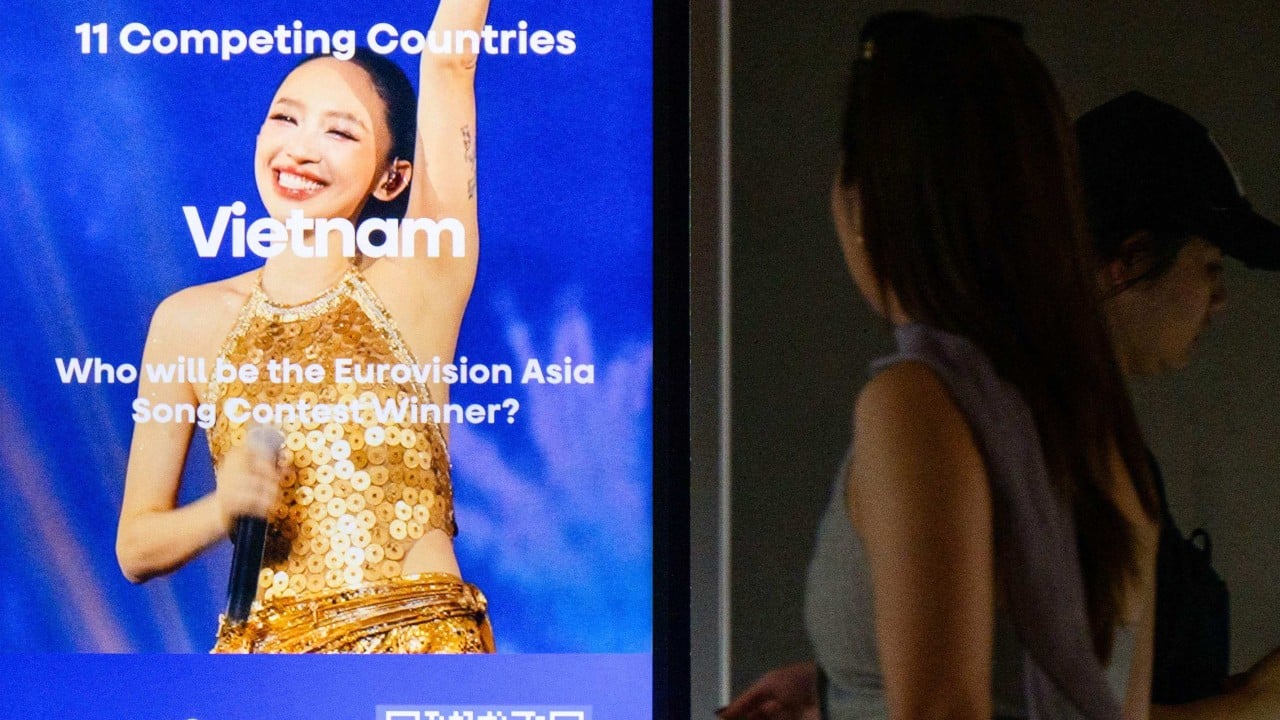
The world's most famous televised singing competition is planting its flag in Bangkok. Eleven countries are gearing up for the very first Eurovision Song Contest Asia on November 14, 2026. Organisers want to bottle the chaotic energy that captivates European audiences every May and export it east. But winning over younger viewers across Asia is an entirely different beast.
You cannot simply copy a decades-old formula and expect digital natives to care. Gen Z doesn't consume media the way older generations do. They smell forced corporate hype from a mile away, and they demand authenticity, interactivity, and platforms that fit right into their TikTok feeds.
What the Asian Edition Looks Like
The inaugural contest features acts from Bhutan, Bangladesh, Cambodia, Laos, Malaysia, Mongolia, Nepal, the Philippines, South Korea, Thailand, and Vietnam. Noticeably absent from the lineup are heavyweights like China and Japan, though producers are already talking about bringing them into the fold next year.
The mechanics mirror the European original closely. Each country sends one act performing an original track for a maximum of three minutes. Staging is capped at six performers per country, and every lyric faces strict screening by the European Broadcasting Union. Political songs are banned.
Voting happens digitally through QR codes and the official website. Every viewer gets eight free votes, though with a catch—they have to spread those votes across at least three different songs. Fans can also buy up to 10 extra votes. It is a setup clearly designed for online mobilization, turning casual scrollers into active participants.
Can Traditional TV Formats Capture Digital Natives
Let us be honest about youth viewing habits. Gen Z rarely sits on a living room couch waiting for a broadcast network to air a three-hour live show. They want clips, memes, and real-time reactions.
Executive producers know this. They are streaming the grand final directly on YouTube while partnering with local broadcasters in each competing territory. But a live stream alone won't secure cultural relevance.
Fan culture in Asia is fiercely loyal, driven by massive fandoms surrounding K-pop, T-pop, and regional idols. These communities are used to hyper-produced music videos, intricate choreography, and direct fan engagement on social media. Eurovision relies heavily on kitsch, camp, and live vocal spectacle. Bridging that gap requires more than just putting singers on a stage in Bangkok. It requires a digital ecosystem where fans can meme, critique, and stan their favorites instantly.
The Politics of Regional Voting
Anyone who watches the European contest knows that neighborly voting is a feature, not a bug. Greece will almost always give Cyprus twelve points, and Nordic countries stick together.
Asia brings its own complex web of historical ties and modern tensions. Producers are watching closely to see how voting blocks form. Will Himalayan nations like Nepal and Bhutan back each other? Will Southeast Asian neighbors trade high scores, or will regional disputes get in the way?
Unlike Europe, the winning country will not automatically host the next competition due to infrastructure constraints. That removes one layer of logistical pressure, but it also changes what victory means for the winner. Without a homecoming tour hosting gig on the line, the prize is purely about regional bragging rights and international exposure.
What Happens Next
The true test of Eurovision Asia won't happen on November 14. It will happen in the weeks after, when we see whether the songs land on streaming playlists or disappear into the digital noise. If the music connects, and if the voting feels genuinely engaging rather than archaic, this historic debut could mark the start of a massive new annual tradition. If it feels out of touch, Gen Z will simply swipe away.