Most athletes worry about playbook memorization, conditioning drills, and handling the summer heat. A high school football player in Maumelle, Arkansas, had to add a terrifying new item to his mental checklist: a venomous reptile.
Imagine finishing warmups, strapping on your gear, and spending an entire hour running drills with a live predator inches from your skull. That is exactly what happened at Maumelle High School when a student athlete felt bizarre shifting inside his headgear. What started as an odd tickle turned into a brush with disaster. You might also find this similar coverage useful: Why Pep Chavarrias Move To Chelsea Proves Elite Scouting Is Changing.
The Discovery That Stopped Practice Cold
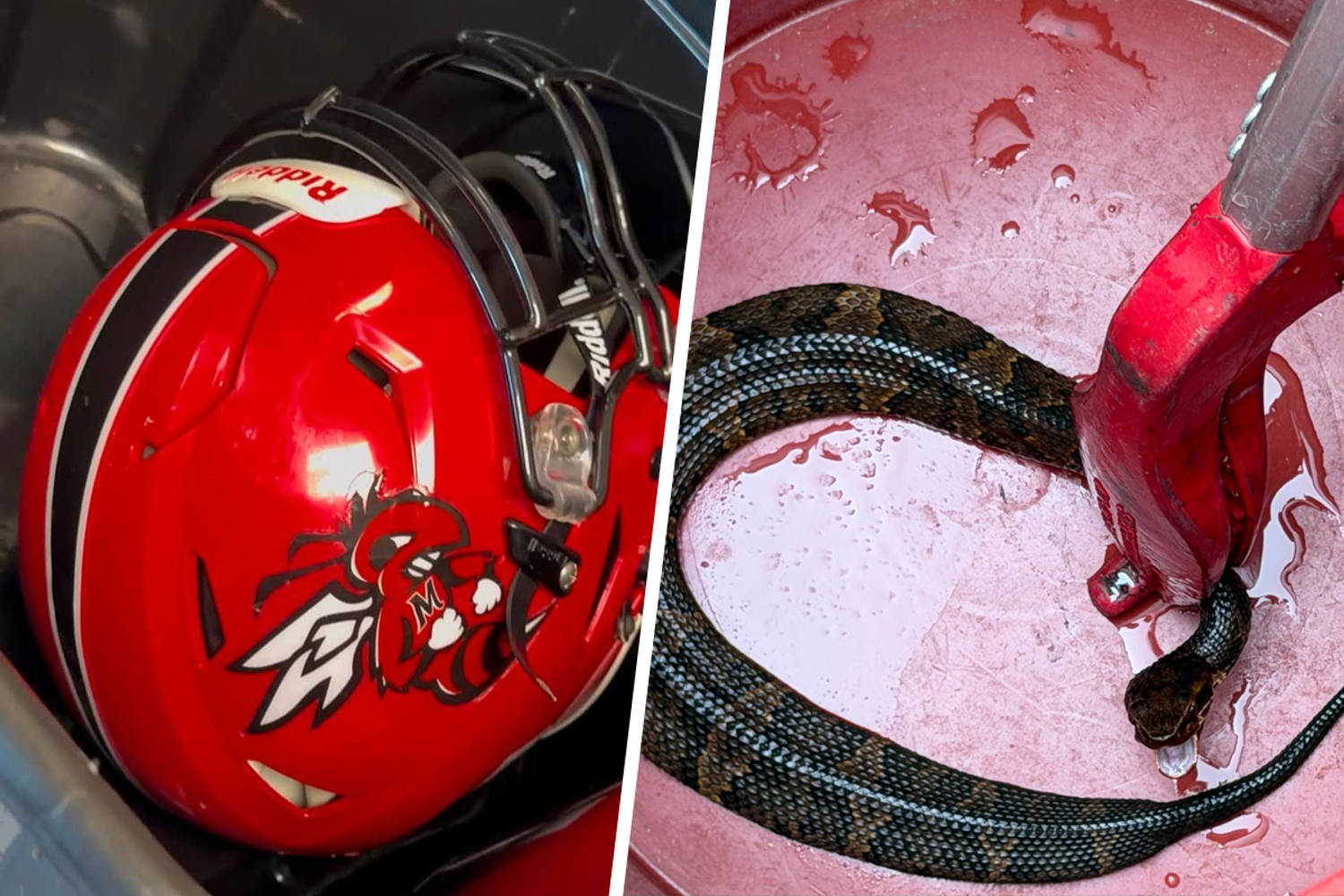
The teenager completed standard conditioning and warmups before noticing something moving strangely against his head. Instead of ignoring the sensation, he pulled the helmet off and handed it to an assistant coach for a closer look.
Peering inside the padding, the coaching staff found a two-foot-long cottonmouth coiled up inside. As extensively documented in latest reports by FOX Sports, the effects are worth noting.
Local animal services and police officers arrived to handle the creature. The pit viper refused to leave its cozy synthetic home easily. Authorities had to resort to pouring water directly into the helmet to force the stubborn animal out into a secure bag.
Why This Close Call Shook Experts
Cottonmouths, often called water moccasins, rank among the most dangerous venomous snakes in the region. They possess potent cytotoxic venom capable of causing severe tissue damage, severe pain, and systemic medical emergencies.
Animal services director Chris Davis pointed out the sheer luck involved. The player wore that equipment for nearly sixty minutes without provoking a strike. Coiling up inside dark, insulated spaces appeals to cold-blooded animals seeking shelter from the heat or elements, but sharing tight quarters with a human head usually triggers a defensive bite.
The fact that the snake stayed passive while the athlete sprinted, sweated, and absorbed routine gridiron impacts defies belief.
The Aftermath on the Field
Football culture prides itself on toughness, and this player handled the surreal moment with incredible composure. Rather than making a massive scene, he simply grabbed a different helmet and jumped back into the practice rotation.
Coaches experienced a much heavier wave of shock. Athletic director Kirk Horton and the rest of the staff realized how close they came to a catastrophic medical emergency on the practice field.
The incident forced an immediate shift in team protocols. Head coaches across the program delivered a blunt message to the roster: visual inspections of personal gear are no longer optional.
Protecting Yourself From Unexpected Field Hazards
Outdoor sports fields sit right in nature's backyard. Equipment left outside overnight or stored in damp lockers creates prime real estate for local wildlife.
- Inspect the interior: Shine a quick flashlight or glance inside shoulder pads and helmets before sliding them on.
- Store gear securely: Keep gear lockers sealed and avoid leaving loose items scattered on grassy embankments or near wooded treelines.
- Watch the surroundings: Turf fields and natural grass pitches near regional waterways or heavy brush carry higher risks of wildlife encounters.
Next time you toss your gear into a bag, take a second look inside. You never know who moved in.