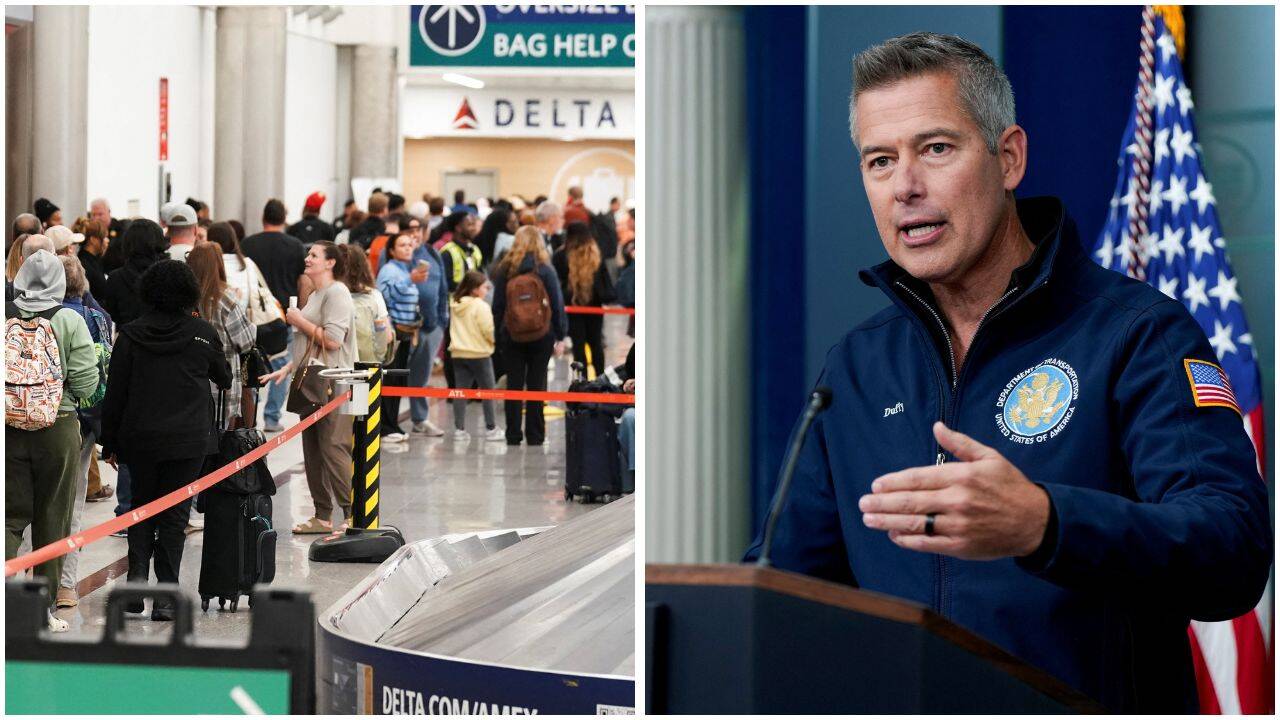
Thousands of angry travelers stared at blank departure boards across America this week while the Federal Aviation Administration pressed the panic button. A nationwide ground stop froze the skies, marking only the second time since the September 11 attacks that the entire country shut down departures.
If you are wondering whether your next trip is actually going to happen, you aren't alone. The official line from Washington is that the crisis is over. But behind the polished press conferences, administration officials are admitting something much darker about the state of American infrastructure.
What Actually Caused the Nationwide Ground Stop
The chaos erupted when a sudden communications and radar data instability wave rippled through air traffic control centers. Homeland Security Secretary Markwayne Mullin and Transportation Secretary Sean Duffy rushed to reassure a panicked public that there was no cyberattack or nefarious foreign plot.
Instead, the culprit was far more mundane and terrifying: ancient technology.
Duffy didn't sugarcoat it. He flat-out admitted that the air traffic control infrastructure is shockingly old. When millions of transactions strain an outdated digital framework, things break. Over 3,500 planes were airborne when the emergency order dropped. Controllers managed to land them safely, but freezing departures was the only option left to prevent a catastrophic mid-air tracking disaster.
Will Your Flight Actually Take Off Now
The ground stop is officially lifted, but getting an airplane ticket scanned doesn't mean you are leaving the gate anytime soon.
When the FAA halts every departure nationwide, it creates an immediate logistical earthquake. Planes are stranded in the wrong cities. Flight crews time out of their legal working hours hundreds of miles away from their base rosters. Airlines like United, Delta, and American face a brutal multi-day recovery window just to get their schedules synchronized again.
Even if the tech is fixed, the ripple effects linger. If your aircraft is parked in Chicago and your pilot is stuck in Dallas, your flight isn't going anywhere. Expect rolling delays for days, even after air traffic control systems turn back on.
The Warning Washington Won't Stop Repeating
Here is the part travelers hate hearing. High-ranking officials are refusing to promise it won't happen again.
Duffy dropped a blunt warning during briefings: older hardware is going down because Congress and past administrations have starved modernization efforts. Unless a massive, multi-billion-dollar overhaul of regional air traffic control centers happens, taxpayers should get used to occasional ground stops. Patching code on legacy systems built decades ago is like trying to run modern software on a computer from 1995. It simply cannot handle the load.
How to Protect Your Travel Plans Right Now
Stop trusting that a lifted ground stop means normal operations. If you have an upcoming trip, take these steps immediately:
- Check your airline app before leaving for the airport, but assume your flight is delayed until proven otherwise.
- Build at least a 24-hour buffer into your schedule if you are traveling for a major event or connecting to an international flight.
- Keep backup tracking apps handy to watch your specific aircraft tail number, rather than relying solely on airline gate announcements.
The skies are open again, but America's aviation network is running on borrowed time. Check your flight status twice, pack your patience, and expect turbulence well beyond the tarmac.