Air travel is fragile. You don't realize how quickly the entire system can freeze until it actually happens.
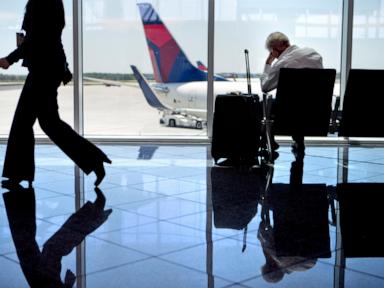
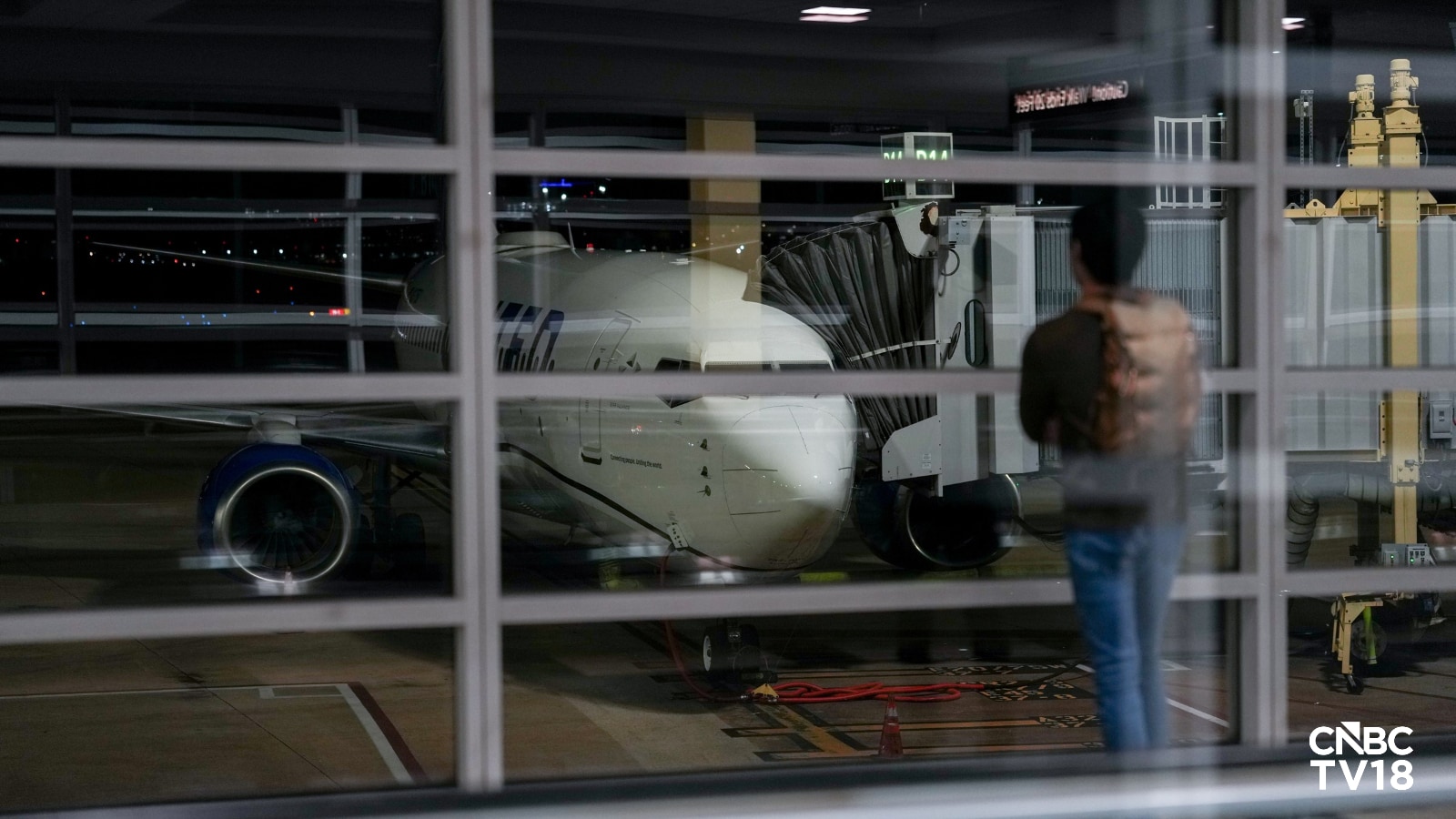
When the Federal Aviation Administration slapped a mandatory nationwide ground stop across every U.S. airport, millions of travelers instantly found themselves stranded. Terminals turned into parking lots. Gate agents braced for absolute chaos. Learn more on a related subject: this related article.
Transportation Secretary Sean Duffy confirmed that telecommunications glitches slammed multiple Air Route Traffic Control Centers and terminal radar facilities. Suddenly, air traffic controllers lost vital communication loops. Out of pure caution, the FAA did what it had to do. They stopped every single domestic departure cold.
If you were sitting on a tarmac or waiting at a baggage claim, it felt like an eternity. But behind the scenes, a massive scramble began to clear the skies safely. Additional journalism by Reuters Business explores similar views on the subject.
How the Ground Stop Unfolded
The trouble started quietly at 3:36 p.m. ET. Communication channels at critical FAA facilities started dropping out. Instead of risking mid-air confusion or tracking gaps, officials pulled the emergency brake.
Over 3,500 planes were already airborne when the order came down. Controllers worked overtime using backup methods to guide those flights safely to their destinations. By 8:00 p.m. ET, that airborne number dropped below 400.
The FAA finally lifted the ground stop at 8:15 p.m. ET, allowing major carriers like Delta, American, and Southwest to slowly spool operations back up. But lifting the ban doesn't mean things instantly went back to normal. The ripple effects lasted for days. Thousands of flights faced cascading delays and cancellations because planes and crews were entirely out of position.
Why America's Aviation Infrastructure Keeps Straining
We keep seeing these massive technology bottlenecks, and it's getting old. This wasn't the first time technical gremlins brought US airspace to its knees, and honestly, it won't be the last.
Aging computer systems and fragile telecom networks are running a modern aviation economy on outdated architecture. When a primary communication node falters, redundancy protocols don't always kick in smoothly. Instead of a localized hiccup, the whole grid goes dark.
Airlines bear the immediate brunt of consumer anger, but the root cause sits squarely with federal infrastructure. Passengers lose vacation days, business trips get ruined, and the economy takes a multi-million dollar hit every time these tech failures happen.
Protecting Yourself When the System Breaks
You can't control FAA communication failures, but you can stop letting them ruin your travel life. Smart travelers don't just sit and wait in line at the gate when a ground stop hits.
First, ditch the airline counter queues immediately. The physical line at your gate is the slowest place to solve a rebooking problem. Call the airline's customer service hotline while simultaneously using their mobile app to look for alternative routings. Often, phone agents or international support desks can rebook you before the gate agent even finishes helping the first person in line.
Second, avoid tight connections if you notice system-wide alerts flashing. A four-hour ground stop creates a backlog that takes 24 to 48 hours to clear. If you have a cross-country itinerary with a 45-minute layover, you're practically begging to spend the night on a terminal floor.
Keep your travel apps updated, pack your patience, and recognize that when the skies close down, rushing won't open them any faster.