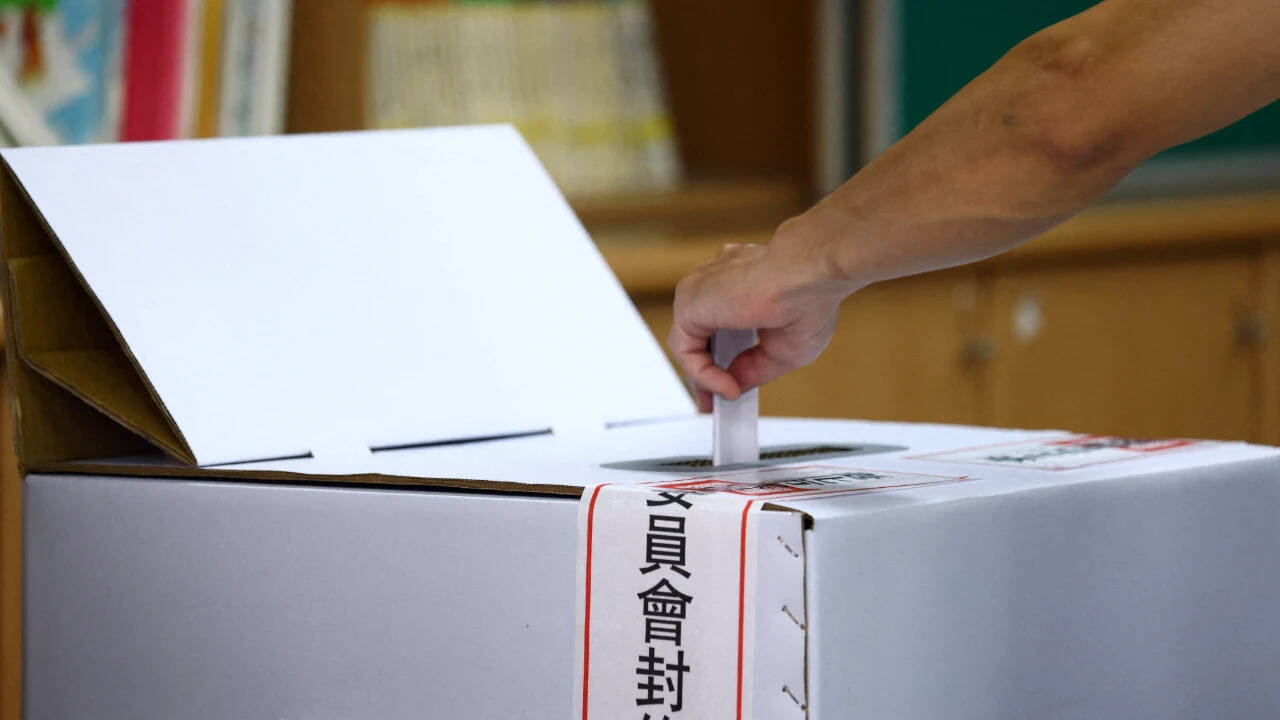
Twenty thousand fake accounts built from street photos and foreign campaign cash. That's not a sci-fi script—it's the messy, very real playbook Taiwanese prosecutors and intelligence officials say they're fighting right now ahead of the island's November 28, 2026 local elections.
If you're wondering whether China is actually moving the needle on Taiwan's ballots, the short answer is nuanced. Beijing pours serious money, AI-generated clips, and coordinated personas into shaping the mood around Taiwan elections, yet voters don't automatically flip because a bot tells them to. What takes a real hit is trust—trust in candidates, trust in social feeds, and trust in the electoral process itself.
Most coverage stops at the headline numbers and official warnings. We shouldn't. Let's look at how these operations actually work on the ground, what's new in the 2026 race, and where the real blind spots sit.
How China Targets Taiwan Elections Beneath the Surface
Foreign interference looks easy to spot on paper. In practice, it's slippery.
You rarely see a giant neon sign saying "Paid for by Xiamen." Instead, influence operations mix local political grievances, business ties, and digital noise until it's hard to tell organic outrage from manufactured pushback. Think of it like adding salt to soup that's already salty—the ingredients were already there, but the balance shifts.
In late November 2026, Taiwan's Mainland Affairs Council (MAC) deputy minister Shen Yu-chung warned that Beijing's interference tactics have shifted toward artificial intelligence, surveillance concerns, and covert financing alongside information warfare. That warning landed right after prosecutors indicted Taoyuan city council candidate Chou Hsiao-yun of the Taiwan People's Party under laws including Taiwan's Anti-Infiltration Act, alleging she accepted Chinese campaign funding and helped gather photos of Taiwanese citizens—including random street shots taken by aides—for operators in Xiamen to build roughly 20,000 fake social media accounts posing as locals. According to Taipei Times reporting on the indictment, those accounts were allegedly used to like and comment on campaign posts, creating the look of grassroots momentum.
That's a huge shift from old-school spam farms blasting obvious propaganda in simplified Chinese. Using real faces snapped on the street makes a fake profile look neighborly at a glance. And tying campaign expenses to outside money or corporate conduits turns digital hype into an election-law headache.
Fake Accounts, AI Clips, and Batch Creation
Look closely at what researchers and officials flagged in November 2026, and a clear pattern emerges. It isn't just about tricking one voter with one lie. It's about volume, timing, and flooding feeds right before people head to the polls.
Taiwan News coverage of Reuters reporting on Meta accounts noted that Taiwanese officials flagged nearly 2,700 China-linked Meta accounts—most opened within the prior four months and often created in batches—alongside roughly 260 accounts spreading more than 2,150 AI-generated videos that racked up 2.35 million interactions, heavily aimed at Democratic Progressive Party figures and policies, including Taipei mayoral hopeful Puma Shen. Meta said it removed the flagged accounts and noted that most had no followers and hadn't posted about election topics, while Beijing's Taiwan Affairs Office has long rejected interference allegations.
Notice that tension right there. Officials see a coordinated wave targeting local races ahead of the 2028 presidential contest. The platform says many of those accounts had zero followers and hadn't posted election content.
Both can be true! A network can be staged in batches, tested, or used to warm up engagement metrics, or even overcounted in noisy sweeps. Honestly, that gap between intelligence alarms and platform metrics is one of the trickiest parts of tracking modern influence campaigns. You can't just yell "bots!" every time a nasty rumor trends, because real voters in Taiwan argue fiercely over cross-strait policy, local development, and governing competence all on their own.
Underground Cash and Grey-Zone Money
Fake likes are cheap. Real political influence costs money—print materials, rallies, local mobilization, and favors.
Taiwan already bans foreign campaign donations and tightened its Anti-Infiltration Act years ago specifically to plug loopholes. Yet investigators keep chasing grey-zone workarounds: shell arrangements, local business intermediaries, and—as Shen alleged—underground betting networks tied to election financing.
Why betting markets? Because gambling can move money quietly, create artificial odds around races, and nudge local narratives if people treat wagering lines like insider forecasts. Even when prosecutors bring indictments, proving cross-border intent and tracing funds through local middlemen takes months or years. By the time a case hits court, the election day has already passed.
What the Competitor Article Misses About Taiwan Elections
Short wire-style stories like the Times of India report give you a fast news summary: Shen Yu-chung's warning, the 20,000 fake accounts tied to the Taoyuan indictment, AI and surveillance worries, and underground betting networks. That's fine if you just want a two-minute catch-up.
It leaves out the context that makes sense of why this matters.
First, it doesn't explain how local municipal elections connect to bigger strategic stakes. Taiwan's November 28, 2026 local votes for mayors and county chiefs aren't just about garbage collection and zoning—they're a major barometer for President Lai Ching-te's Democratic Progressive Party ahead of the 2028 presidential election. Winning mayors and county chiefs builds local party machinery. Losing ground shifts momentum.
Second, it treats digital manipulation as if seeing a fake account automatically changes a vote. Research on Taiwan's 2024 election tells a more complicated story. A 2025 Friedrich Naumann Foundation report on AI disinformation examining AI-altered media and virtual anchors during the 2024 race found that while it didn't swing the overall election outcome, it deepened polarization and hardened negative views among audiences already leaning away from the target. Similarly, analysis published by the Brookings Institution noted how narratives often echo and amplify homegrown Taiwanese debates rather than inventing them from scratch.
Third, there's a real blind spot around citizen privacy and surveillance fears. Collecting street photos of ordinary people isn't just a social media trick. If citizens start worrying that their faces, movements, or personal data are ending up in foreign databases—or linked to facial recognition and surveillance ecosystems—the harm outlasts any single election cycle.
Common Mistakes People Make When Reading Interference News
When a dramatic headline drops about 20,000 fake accounts or secret cash, it's easy to fall into bad habits. I see smart readers make the same mistakes over and over.
- Treating every viral smear as a Beijing op. Plenty of dirty tricks in Taiwanese politics are completely homegrown. Assuming foreign hands are behind every nasty clip makes you blind to domestic political games—and makes genuine warnings sound like boy-who-cried-wolf politics.
- Assuming fake accounts equal fake voters. A bot network can inflate comment counts or push a hashtag, but it doesn't walk into a polling booth. What it can do is make fringe claims look mainstream or exhaust reporters and voters.
- Ignoring mundane local issues. Voters don't wake up thinking about grand geopolitical theory alone. Housing costs, traffic, local corruption, and municipal services drive turnout just as much as cross-strait tensions.
- Over-relying on single-platform takedowns. Even when Meta removes thousands of accounts, conversations jump across Facebook, Threads, LINE groups, YouTube, TikTok, and closed chat rooms. Whack-a-mole moderation is real.
Debatable Questions and Where Evidence Is Thin
Let's be candid about what we actually know versus where experts disagree.
Nobody has a clean, universally accepted formula that says, "X fake accounts plus Y dollars equals Z percentage points." Measuring persuasion online is notoriously hard. People who already dislike a candidate are far more likely to share or believe an attack clip about them than swing voters are.
There's also ongoing debate inside Taiwan over enforcement and civil liberties. Laws targeting foreign infiltration are meant to protect democratic sovereignty, yet critics and legal scholars across democracies always watch closely to make sure broad definitions or aggressive investigations don't chill legitimate political speech or cross-border exchanges. Notice that even while sounding the alarm on interference, Shen noted Taiwan welcomes approved observer groups from China, Hong Kong, Macau, and elsewhere under existing rules.
And look at the surveillance angle. Warnings about facial recognition and data harvesting are serious, especially when personal photos are collected without consent. Still, distinguishing between proven operational links, potential future capabilities, and general security warnings matters if you want an honest assessment rather than hype.
Practical Next Steps for Following Election Integrity
If you're tracking Taiwan elections, researching information operations, or advising teams on election resilience, don't stop at sensational headlines. Take concrete steps that sharpen your judgment.
- Check primary filings and independent researchers. Pair breaking news with court indictment summaries, platform transparency updates, and work from independent researchers such as Taiwan's Doublethink Lab or fact-checking groups rather than relying on one social post.
- Look for coordination clues, not just spicy claims. Ask who benefits from a rumor, whether accounts were created in clusters, whether phrasing repeats across unrelated profiles, and whether the story jumps from anonymous forums to partisan outlets.
- Separate persuasion from amplification. When you see claims of thousands of fake accounts or millions of interactions, ask whether those numbers reflect genuine public mind-changes or manufactured noise designed to waste time and stir anger.
- Protect everyday digital hygiene. If you live, campaign, or organize in sensitive political spaces, be careful about casual photo sharing, verify suspicious links or group invites, and back up critical records offline.
Democracy doesn't break from a single fake profile. It wears down when people stop trusting what they see, stop checking sources, and assume the game is rigged before the votes are even counted.