North Korea just put its freshly reopened Swiss diplomatic office on notice. Weeks after Bern cut the ribbon in Pyongyang, Kim Yo Jong threatened to shut the post down because Switzerland sanctioned a coastal youth facility linked to Russian-occupied Ukraine.
It's a sharp turn. Switzerland spent years positioning itself as a rare neutral bridge between Pyongyang and Western capitals. Now that bridge looks shaky before diplomats have even unpacked their boxes. Expanding on this topic, you can also read: Why Landmine Casualties Hit A Five-year High Right Now.
What Sparked the Threat Against the Swiss Office
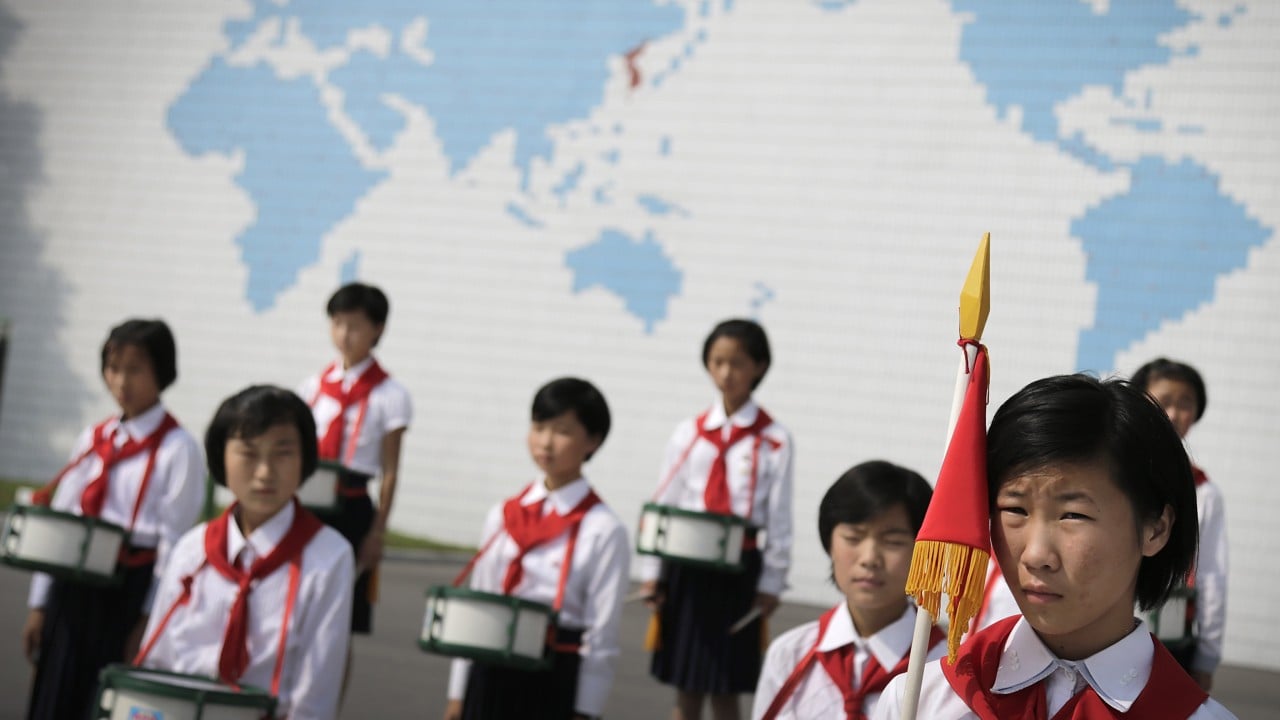
The clash centers on the Songdowon International Children's Camp in Wonsan, on North Korea's east coast. Switzerland placed the facility on its sanctions list after allegations that it cooperated with Russia-linked groups involved in moving children from Russian-occupied areas of Ukraine. A March 2026 United Nations inquiry found Russian forces responsible for war crimes and crimes against humanity tied to forcible transfers and deportations of children during the war, and Ukrainian authorities have raised alarms over children sent to Songdowon.
In a statement carried by state media KCNA, Kim Yo Jong called the move an "open hostile act" and a violation of North Korean sovereignty. She argued the Wonsan facility supports legitimate cooperation between Pyongyang and Moscow, and she said she would advise the Foreign Ministry to examine withdrawing the Swiss office within days. Observers at Associated Press have shared their thoughts on this situation.
Look at the timing and it stings even more for Bern. Swiss Foreign Minister Ignazio Cassis visited Pyongyang at the end of October 2026 to mark the reopening of the office, which had resumed operations on October 19 after sitting shuttered since March 2020 due to pandemic border closures. Sitting down to talk dialogue and bilateral ties one month, then facing expulsion threats the next—honestly, that's whiplash diplomacy.
Why Switzerland Matters More Than a Typical Embassy
Most people hear "diplomatic office" and picture routine visa stamping or trade promotion. In Pyongyang, Switzerland plays a very different role.
Bern established formal diplomatic relations with North Korea in 1974 and has served on the Neutral Nations Supervisory Commission along the inter-Korean demarcation line since 1953. Unlike almost every other Western government, Switzerland kept annual political consultations going after former Foreign Minister Micheline Calmy-Rey visited in 2003, and it even included human rights discussions in bilateral talks until 2019.
There's also a personal history angle you can't ignore. Kim Jong Un spent part of his youth in Switzerland during the 1990s. That history never guaranteed easy deals, yet it gave Bern an informal channel that other Western capitals lacked. Plus, the newly reopened Pyongyang office—reporting to the Swiss embassy in Beijing—was meant to rebuild direct political contact and look into resuming humanitarian aid after Swiss cooperation programs ended in 2024.
As Kyungnam University professor Lim Eul-chul noted, losing that Swiss presence would complicate wider efforts by Washington and Seoul to engage Pyongyang. When channels with North Korea are already scarce, burning a neutral backdoor carries real costs.
The Pattern Behind Pyongyang's Retaliation
This isn't a one-off tantrum. It fits a clear pattern.
Since 2023, Pyongyang has deepened military and political ties with Moscow, including a 2024 comprehensive partnership treaty alongside reports of weapons and troop transfers supporting Russia's war effort. Defending a youth camp tied to Russia-linked networks fits right into how North Korea now treats its partnership with Moscow as untouchable.
We saw a similar move against Britain. After London sanctioned the Songdowon camp in May 2026, Pyongyang announced in late August that it was downgrading its embassy in London to the charge d'affaires level and reassigning its ambassador. South Korean unification officials pointed out that Kim Yo Jong's statement carries even heavier weight than the earlier reaction to London's sanctions.
Here is the catch, though. Threats in Pyongyang often test leverage rather than lock in immediate action. Sometimes North Korea follows through quickly; other times it leaves a door cracked open to extract concessions or signal displeasure while keeping basic communication alive.
What Happens Next for Bern and Regional Watchers
If you follow Korean Peninsula affairs, policy, or risk analysis, don't treat a KCNA statement as the final word—or dismiss it as empty noise. Watch what happens over the next week or two.
- Track the Foreign Ministry response: Watch whether Pyongyang issues a formal expulsion order or sticks to threats of a "strict examination".
- Check who stays in Bern: North Korea still maintains an embassy in Bern, so diplomatic contact wouldn't vanish completely even if the Pyongyang office closes.
- Monitor humanitarian and security signals: Keep an eye on Swiss Federal Department of Foreign Affairs updates regarding aid assessments and talks with Seoul, since Bern pairs Pyongyang outreach with consultations in South Korea.
In high-stakes diplomacy, a single sanctions listing can turn a fresh start into a standoff overnight. Watching how Bern balances principled sanctions enforcement against quiet backchannel access will tell you plenty about where peninsula diplomacy goes next.