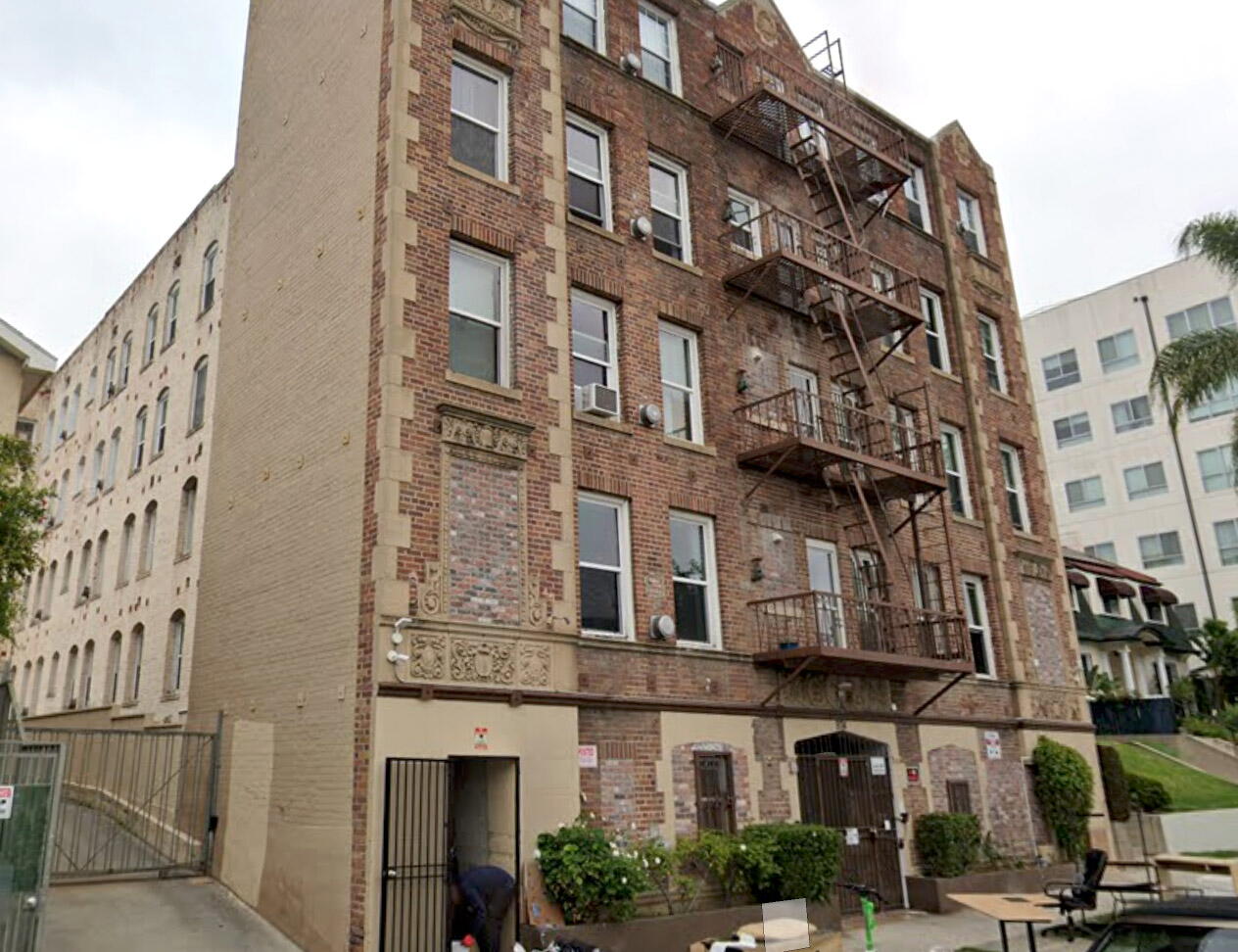
Reports that a Los Angeles landlord suggested using fake ICE officers to scare tenants into accepting a buyout hit a nerve that goes way beyond a single court filing. When housing gets tight and market rents climb far above legacy leases, bad actors sometimes reach for intimidation instead of paying fair value. Threatening or staging immigration fear to push people out of their homes isn't just morally ugly. In California, it collides head-on with strict tenant protections, criminal impersonation laws, and heavy civil penalties.
If you rent in Los Angeles or anywhere else in California, here's the bottom line right up front. A landlord cannot legally use immigration threats, status inquiries, or fake enforcement scares to pressure you into leaving or signing a buyout agreement. Under California law and Los Angeles's Tenant Anti-Harassment Ordinance (TAHO), using immigration fear as leverage against a renter is unlawful harassment—and can trigger steep financial liability and regulatory consequences.
How Tenant Buyout Pressure Turns Into Fear Tactics
Buyouts themselves aren't automatically illegal in Los Angeles, provided they follow strict disclosure and fairness rules. A property owner might offer cash for keys to empty a rent-stabilized unit, renovate, or redevelop. Problems start when a landlord wants the vacant unit at a discount and decides that polite negotiation takes too long.
Honestly, that's where fear enters the room. When a tenant holds a long-term lease with below-market rent, a legitimate buyout can cost tens of thousands of dollars. A landlord looking to cut that price tag may try to make staying feel unsafe or uncertain. Staging or even floating the idea of fake ICE officers preys on real anxiety in immigrant communities—especially when enforcement headlines are loud and confusing.
From what I've seen in housing disputes, renters often don't realize how fast a "cash offer" crosses the line into coercion. Under LA's TAHO rules, attempting to coerce a tenant to move out with a payment offer or misrepresenting whether someone has to leave is a serious red flag. Add immigration intimidation on top of that, and you're looking at conduct that lawmakers explicitly tried to stamp out.
Why Fake ICE Schemes Are Thriving on Confusion
Look at the broader backdrop across the country and in California. News coverage around immigration raids, court battles over warrantless arrests, and debates over whether officers wear masks or show clear badges has created a fog of uncertainty. Even California Attorney General Rob Bonta's office has issued warnings over reports of fake ICE officers and immigration-related scams.
When real enforcement actions and legal disputes dominate the news, scammers and bad actors notice. Impersonators—or people merely threatening to summon enforcement—count on victims freezing in the moment rather than questioning authority. Legal advocates and policy watchers have repeatedly pointed out that fear makes people comply before they have time to verify who is at the door or what rights they actually hold.
There's also a practical reality for landlords who even think about playing games like this: it's a terrible gamble. Court records, text messages, emails, and former staff accounts can turn a "clever" shortcut into career-ending litigation. Whistleblowers and former employees often have front-row seats to internal discussions about pushing tenants out, which is why allegations surfaced in court filings in the first place.
The Gap Between Scare Tactics and Actual Legal Authority
A lot of people assume a landlord holds cards they simply don't have. A landlord is not a police officer or a federal immigration agent. They cannot deport anyone, issue a judicial warrant, or order a tenant out of a home on the spot.
Even more importantly, California law restricts how landlords can use immigration status in housing matters. Under California protections like AB 291 and related state rules, threatening to report a tenant—or a tenant's family or roommates—to immigration authorities to get them to vacate or retaliate against them is prohibited. And in housing court, a person's immigration status is generally off-limits unless narrow exceptions apply.
What Los Angeles Law Says About Harassment and Buyouts
If you rent inside the City of Los Angeles, you have layers of protection that go beyond a basic lease. The Los Angeles Housing Department (LAHD) enforces the Tenant Anti-Harassment Ordinance, which covers rental units across the city—not just older buildings under the Rent Stabilization Ordinance (RSO).
Under TAHO, bad-faith landlord conduct designed to push a tenant out can trigger civil liability. Prohibited acts include:
- Inquiring about or disclosing a tenant's immigration or citizenship status to harass or intimidate.
- Reporting or threatening to report tenant information to government agencies as a pressure tactic.
- Coercing a tenant to vacate through payment offers or misrepresenting legal obligations to move.
- Interfering with quiet enjoyment, cutting off housing services, or abusing entry rights.
Los Angeles also tightened enforcement teeth around harassment violations, including mandatory damages in civil actions and a dedicated database for repeat harassment violators. For renters who have lived in a unit for years at a low rent, wrongful displacement or harassment claims can carry substantial stakes, including potential treble damages under local and state frameworks depending on the violation.
Let's be real, though: laws on paper only help if tenants know they don't have to sign under pressure. A buyout agreement is supposed to be a voluntary choice, not a hostage negotiation wrapped in fear.
Common Mistakes Renters and Landlords Make During Buyout Talks
Both sides mess this up all the time, usually because nobody slows down to check the rules before acting.
On the tenant side, the biggest mistake is signing a buyout agreement on the spot because you feel cornered. Once you sign away your tenancy, getting your home back is tough. Another common trap is relying on verbal promises instead of saving texts, emails, and written notices. Verbal assurances from a property manager mean very little later if a dispute turns into a fight.
On the landlord side, folks sometimes treat buyouts like casual haggling at a flea market. Pressing a tenant repeatedly after they say no, skipping required disclosures on RSO buyouts, or letting an agent or employee use scare tactics can backfire fast. Even if a landlord claims they were "just venting" or tossing around ideas, court scrutiny doesn't care about excuses once intimidation is alleged.
Practical Next Steps If You Face Intimidation or Buyout Pressure
If your landlord is pushing a buyout aggressively—or bringing immigration fear into the picture—take calm, methodical steps right away:
- Don't rush to sign anything. You have the right to take buyout paperwork home, read every line, and get advice before agreeing to give up your unit.
- Keep a written log and save evidence. Write down dates, times, and what was said, and save texts, emails, voicemails, and photos. If someone claims to be law enforcement at your door, stay safe, avoid opening the door unnecessarily, and verify facts carefully rather than relying on fear.
- Check your building's status and contact local resources. You can look up property rules through the city and contact LAHD or a local legal aid or tenants' rights group. If there's an immediate physical threat or criminal impersonation underway, call 911.
Nobody should have to choose between their safety and their home because a landlord wants a cheaper buyout. Knowing your rights—and refusing to be rushed by scare tactics—is how you keep your footing.