You think the battle over the death penalty ended decades ago? Think again.
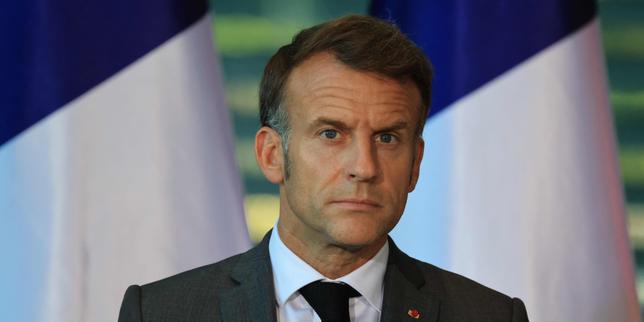
On June 30, 2026, French President Emmanuel Macron stood before hundreds of activists, magistrates, and diplomats at the 9th World Congress Against the Death Penalty in Paris. His message wasn't just a celebratory lap for historical progress. It was an explicit, urgent warning: "Rien n'est acquis"—nothing is guaranteed.
The hard truth is that the global push to end state-sanctioned execution is stalling. Worse, it's reversing in places where we least expect it. While Western nations often treat abolition like a permanent moral achievement, a growing wave of populist politics and shifting security policies are putting capital punishment right back on the table.
The Illusion of Permanent Progress
For years, human rights advocates pointed to a steady march forward. The United Nations actively pushes for a global moratorium, and over 130 countries have signed on. In France, Robert Badinter famously led the charge to abolish the guillotine back in 1981, a milestone locked down by a constitutional ban in 2007.
But laws are only as strong as the political will behind them.
Macron's speech directly targeted new legislative pushes that seek to expand or restore execution. He pointed specifically to deeply concerning legal shifts in the Sahel region of Africa and recent parliamentary moves in Israel. In May, Israel's Knesset advanced a bill allowing special military courts to hand down death sentences for those involved in terror attacks, sparking fierce domestic and international backlash.
When global tensions spike, the first thing governments do is reach for the ultimate display of authority.
Why Deterrence is a Failed Argument
Proponents of state execution almost always rely on the same argument: it deters the most horrific crimes. It sounds logical in theory. If the penalty is death, a criminal will think twice.
Except the data doesn't back it up.
Dozens of criminological studies over the last thirty years show no measurable link between capital punishment and lower homicide rates. Criminals committing heinous acts rarely pause to calculate the long-term legal outcomes. What actually deters crime is the certainty of being caught, not the severity of the ultimate punishment.
When a state brings back the death penalty, it's not executing a calculated strategy to lower crime rates. It's executing a performance. It's an easy, symbolic way for political leaders to look tough on security when they don't have real solutions for complex systemic problems.
The Battle Lines are Moving
The real fight isn't just happening in courtrooms or diplomatic summits. It's playing out in public opinion.
Even in deeply abolitionist European countries, public sentiment shifts fast after high-profile tragedies or periods of intense civil unrest. It's easy to support abstract human rights when things are calm. It's much harder when fear takes over.
That's why this isn't a historical debate. The 9th World Congress, organized by Ensemble contre la peine de mort (Together Against the Death Penalty), runs through July 2, 2026, in Paris. It highlights a brutal reality: the global abolitionist movement is on the defensive. Activists are no longer just trying to convince the last remaining countries to drop the practice; they are actively working to stop democratic nations from backsliding.
What Needs to Happen Next
If you want to track where this global debate is heading, pay attention to these three shifting dynamics over the coming months:
- Watch the Supreme Courts: Keep a close eye on the judicial independence of nations proposing new capital punishment laws. As Macron noted, the final line of defense usually rests on whether high courts can resist political pressure from populist leaders.
- Follow the Money and Treaties: True leverage doesn't come from moral scolding. It comes from international trade agreements and diplomatic ties that make state executions economically and politically costly for developing regimes.
- Support Grassroots Legal Defense: The most immediate way innocent lives are saved is through funding international legal defense funds that provide competent representation to individuals facing capital trials in high-risk zones.
The belief that human rights only move in one direction is a dangerous myth. If the events of 2026 prove anything, it's that every single right on the books has to be defended constantly, or it disappears.