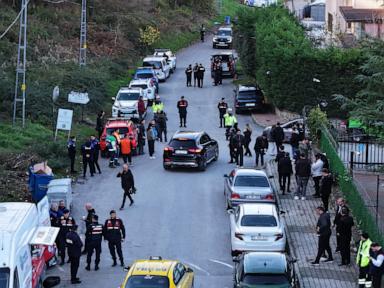
Bystander cameras have changed how Americans see federal immigration enforcement, often before official statements ever hit the press. One clip goes viral, then another, and suddenly a local arrest turns into a national debate over force, authority, and accountability.
When a video segment like NBC Nightly News' coverage of dramatic ICE confrontations caught on camera hits the airwaves, people aren't just reacting to a single moment. They're watching a collision between aggressive field tactics, smartphone documentation, and sharply divided views on the rule of law. Honestly, that tension explains why backlash builds so fast.
What People Actually Want to Know When Clips Go Viral
Behind most searches on this topic is a pretty practical set of questions. People want to know what actually happened in the footage, whether recording agents is legal, where the line sits between observing and obstructing, and what happens to folks who end up caught in the middle.
TV segments are built for speed. A broadcast clip gives you the emotional punch in two or three minutes, maybe with a quick soundbite from an official or an advocate. What's often missing is the legal mechanics underneath the frame—things like fourth-amendment boundaries, how obstruction statutes get stretched in real time, and why camera angles can complicate a story just as much as they clarify it.
Why Every New Video Feels Like a Flashpoint
Camera phones don't create confrontations, yet they undeniably raise the stakes in the moment. Agents operate under high stress and strict enforcement mandates, while onlookers see neighbors, family members, or protesters being detained—sometimes in chaotic parking lots, courthouses, or streets.
Look at how quickly narratives can clash once video surfaces. In one high-profile clash reported in November 2026 outside the Stanislaus County Jail in Modesto, California, video showed federal agents pepper-spraying and handcuffing a pregnant U.S. citizen while bystanders recorded and warned officers of her pregnancy, sparking sharp criticism from her attorney and civil rights observers. Earlier in 2026, bystander angles from multiple viewpoints also challenged official accounts surrounding fatal shootings involving immigration agents, illustrating how video forces competing versions of events into public view.
At the same time, officials and law enforcement defenders argue that chaotic crowds, close proximity, or verbal interference can compromise officer safety and disrupt lawful arrests. Both claims can't be waved away with slogans if you want to understand why these moments keep escalating.
The First Amendment Reality Versus Field Friction
Let's get the baseline right: filming law enforcement and federal immigration agents in public spaces is generally protected by the First Amendment, regardless of a person's citizenship or immigration status. Sidewalks, streets, and public parks are classic public forums where observing what government officers do has broad constitutional backing.
Where people get tripped up—and where arrests often happen—is the gap between constitutional rights and on-the-ground friction. Civil liberties groups like the ACLU and the NYCLU emphasize that legally, "obstruction" generally requires physically impeding or interfering with an officer's duties, not merely holding up a phone. Still, agents in the field frequently warn bystanders they're obstructing if they step closer, follow vehicles, or refuse a command to back up.
Knowing your rights on paper doesn't automatically stop an aggressive officer in the moment, which is why smart documentation pairs legal awareness with physical distance and calm discipline.
State and local rules add another layer of confusion. Some jurisdictions have enacted buffer or distance rules near emergency or law enforcement personnel, while courts have scrutinized or struck down certain overbroad restrictions. And private property rules work differently: you don't have the same right to film inside a private business or restricted area as you do on a public sidewalk.
Common Mistakes Bystanders and Commentators Make
From watching years of viral enforcement clips and legal breakdowns, a few recurring missteps stand out.
- Getting too close to prove a point. Crowding an active detention makes it easier for an accusation of interference to stick and puts you right in the blast radius of tension or chemical irritants.
- Treating vertical close-ups as the whole story. A tight shot on a face or a hand tells you almost nothing about street layout, vehicle movement, or who entered the frame first.
- Forgetting digital security. Relying on face or fingerprint unlock can create headaches if you're detained, and posting raw footage without thinking about privacy can inadvertently expose vulnerable individuals.
- Jumping to conclusions from a 15-second clip. Viral edits strip out what happened two minutes before and two minutes after. Good judgment means waiting for corroborating angles, official records, or court filings before locking in a verdict.
What Actually Works When Documenting or Evaluating These Clashes
If you're a bystander trying to document an encounter safely, advocates like the NYCLU and WITNESS recommend practical habits over theatrics. Film from a safe distance—ideally horizontally to capture context, landmarks, badges, vehicle details, and surrounding activity. Keep your voice calm, state clearly that you aren't interfering if questioned, and back up if ordered rather than turning a camera into a physical standoff.
If you're a non-citizen—especially someone undocumented—you also have to weigh personal risk carefully. The First Amendment right to film exists regardless of status, yet the practical stakes of an erroneous detention or arrest aren't equal for everyone.
Practical Next Steps
- Check your local rules and legal hotlines ahead of time. Save contact numbers for local immigrant defense or civil rights groups before any tense situation unfolds.
- Tighten your phone's lock and backup setup. Use a strong numeric passcode rather than biometrics, and keep unedited original files backed up securely without altering metadata.
- Compare multiple sources before sharing. When a dramatic video trends, look for broader camera angles, local reporting, and legal filings so you're sharing verified context rather than rumor.