A mid-air altercation at 34,000 feet turns a routine commercial flight into a terrifying nightmare. When a co-pilot violently attacks the captain and triggers emergency squawks over Middle Eastern airspace, the immediate fallout goes far beyond a single diverted aircraft. Now, the resulting suspension of services has travelers and aviation professionals asking hard questions about how secure our skies really are.
Let's look at what actually happened aboard flight FZ1073 and why the suspension of routes to and from Israel is just the tip of the iceberg.
Inside the Cockpit Chaos on Flight FZ1073
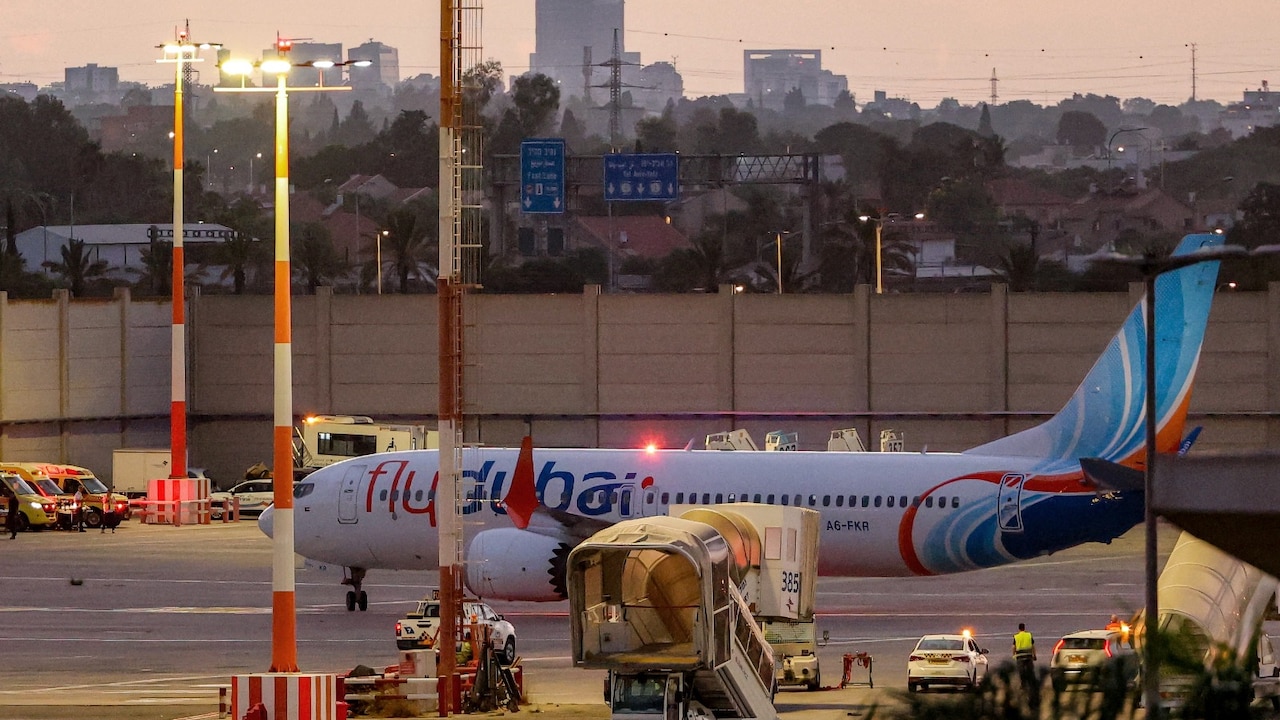
Flight FZ1073 was supposed to be a standard Boeing 737 MAX 8 journey from Dubai International Airport to Ben Gurion International Airport. Instead, it became the setting for an unprecedented security breach. According to reports from the airline and subsequent investigations, a physical altercation broke out on the flight deck between the pilot and the co-pilot.
The co-pilot allegedly attempted to sabotage the aircraft and physically attacked Captain Smit Machchhar. The violence escalated quickly. The captain sustained severe injuries, with accounts detailing critical wounds as he fought to prevent the co-pilot from taking control.
At that exact moment, the aircraft began a terrifying, rapid descent. Dropping at roughly 23,000 feet per minute from cruising altitude down to about 15,600 feet, the plane flashed emergency codes, including signals associated with a potential hijacking. For the passengers in the cabin, chaos reigned.
Yet, quick thinking changed the outcome. Captain Machchhar managed to resist the attacker, opening the cockpit door so that crew members and brave passengers near the front could rush in and overpower the rogue co-pilot. Relief pilots seated in the cabin stepped up, took over the controls, and safely diverted the flight to Tabuk in Saudi Arabia.
Why flydubai Suspended All Israel Routes
Following the incident, flydubai took immediate action. The carrier announced a temporary suspension of all flights to and from Israel.
Airlines rarely halt routes on a whim. Doing so disrupts thousands of itineraries, costs millions in revenue, and forces immediate logistical nightmares. However, the nature of this emergency left the airline with zero choice.
When a flight crew member turns threat actor from the inside, standard security protocols break down. The suspension gives international aviation authorities, security agencies, and regional intelligence outfits—including reports of Mossad joining the probe—time to dissect every detail. They need to find out how this happened, what motivated the co-pilot, and whether any systemic vulnerabilities allowed a compromised individual into the flight deck.
The Blind Spot in Modern Aviation Security
For decades, the commercial aviation industry built its fortress around external threats. Ever since the tragic events of September 2001, reinforced cockpit doors, strict passenger screening, and air marshal programs became the global standard.
The system was designed to keep bad actors out. It was never truly engineered to handle a threat already sitting in the left or right seat wearing a uniform.
When the enemy wears epaulets, the locked door becomes a prison cell rather than a shield. Passengers and cabin crew had to intervene manually because internal cockpit safeguards failed to stop the co-pilot before the violence peaked. This reality check forces airlines worldwide to re-evaluate psychological evaluations, background checks, and crew monitoring systems.
What This Means for Travelers Right Now
If you're booked on a flight in the region, the disruption is real. Passengers holding tickets on flydubai routes involving Israel face cancellations, re-routing headaches, and uncertainty.
- Check Your Status Directly: Don't rely solely on automated third-party booking apps. Check the official flydubai portal for the latest operational updates.
- Understand Refund and Rebooking Rights: Airlines are typically required to provide alternative arrangements or full refunds during safety-related suspensions, but processing times can lag during high-volume crises.
- Expect Heightened Scrutiny: Regional flights are currently experiencing tighter security checks and increased anxiety among passengers and crew alike.
The heroics of Captain Machchhar and the swift intervention of the cabin crew prevented a catastrophic disaster. But the questions raised by flight FZ1073 will linger long after services resume. Aviation security must evolve to protect passengers not just from external hijackers, but from the very people trusted to fly the plane.