Thirteen people died when a small tourist aircraft went down near the ancient Nazca Lines in southern Peru. The crash claimed the lives of eleven foreign passengers and two crew members, reducing a routine sightseeing excursion into a devastating tragedy. Operated by the local airline Aerodiana, the flight took off from Pisco before meeting its fatal end near Pueblo Viejo, roughly six kilometers from the city of Nazca.
When you look at the promotional brochures for Peru, booking a 30-minute Cessna flight over the desert geoglyphs feels like a casual item on a standard itinerary. Millions of travelers treat it like a theme park ride. But the reality of aviation in remote, desert environments tells a very different story.
The Grim History Behind the Desert Skies
This isn't an isolated mishap. If you track the aviation safety record in the region, warning signs have piled up for years. Back in 2022, another sightseeing flight crashed in the exact same area, killing seven people. Go back to 2010, and another incident claimed six lives.
Every single time a tragedy occurs, headlines focus on the immediate shock. They mention the nationalities of the victims—reports indicate foreign tourists including Italian, German, and Spanish nationals were on board this latest flight—and then the industry goes right back to business.
Why do these accidents keep happening? Operating small aircraft over barren desert landscapes introduces massive variables. Pilots deal with erratic thermal updrafts, blinding glare off the white sand, and sudden wind shears rolling off the Andes mountains.
Just a day prior to this crash, strong winds exceeding 40 kilometers per hour battered the region. Those winds kicked up dust sheets that severely choked visibility, forcing officials to suspend flights out of the nearby Maria Reiche Airport. While investigators are still probing the exact cause of this specific disaster, the structural pressure on regional carriers to keep planes in the air during marginal weather remains an open secret in local tourism circles.
The Logistics of Sightseeing Over Ancient Geoglyphs
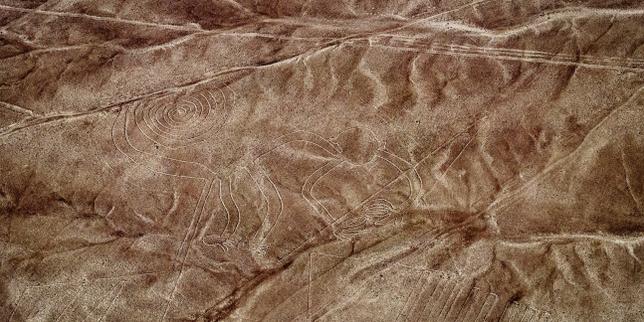
To understand why people take these risks, you have to look at the unique nature of the site itself. Etched into the arid earth between 500 BC and 500 AD, the Nazca Lines cover massive expanses. You see giant hummingbirds, spiders, and geometric lines that stretch for miles.
Ground viewing towers offer a mediocre, skewed perspective at best. To actually see the art, you must fly.
This creates a hyper-commercialized bottleneck. Dozens of small-scale airlines operate out of regional airstrips like Pisco and Maria Reiche. They pack tourists into light utility aircraft, banking on quick turnarounds to maximize daily rotation. Tight schedules and high demand can breed a dangerous sense of operational complacency. When you're running back-to-back flights under a blazing desert sun, maintenance margins shrink and pilot fatigue sets in.
Assessing Your Personal Travel Risk
If you're planning a trip to South America, you'll eventually face the choice of whether to book an aerial tour. Travelers often assume that if an activity is sold by a mainstream hotel desk, it meets strict, industrialized safety standards. That assumption can kill you.
Small aviation in developing regions operates under oversight frameworks that rarely mirror commercial airlines like LAN or Delta. Fleet ages vary wildly. Maintenance logs don't always get the rigorous scrutiny they require.
Before you hand over your credit card for a desert flight, do your homework. Ask pointed questions about the airline's safety record, the age of the fleet, and the specific training protocols for pilots handling high-density desert winds. If the weather looks hazy or local authorities report high gusts, walk away. No photo is worth your life.
The authorities in Peru will investigate why this Aerodiana flight went down, and the wreckage will eventually be cleared from the arid plains of Pueblo Viejo. But until travelers start treating bush-league tourism aviation with the respect and skepticism it demands, the cycle will likely repeat.