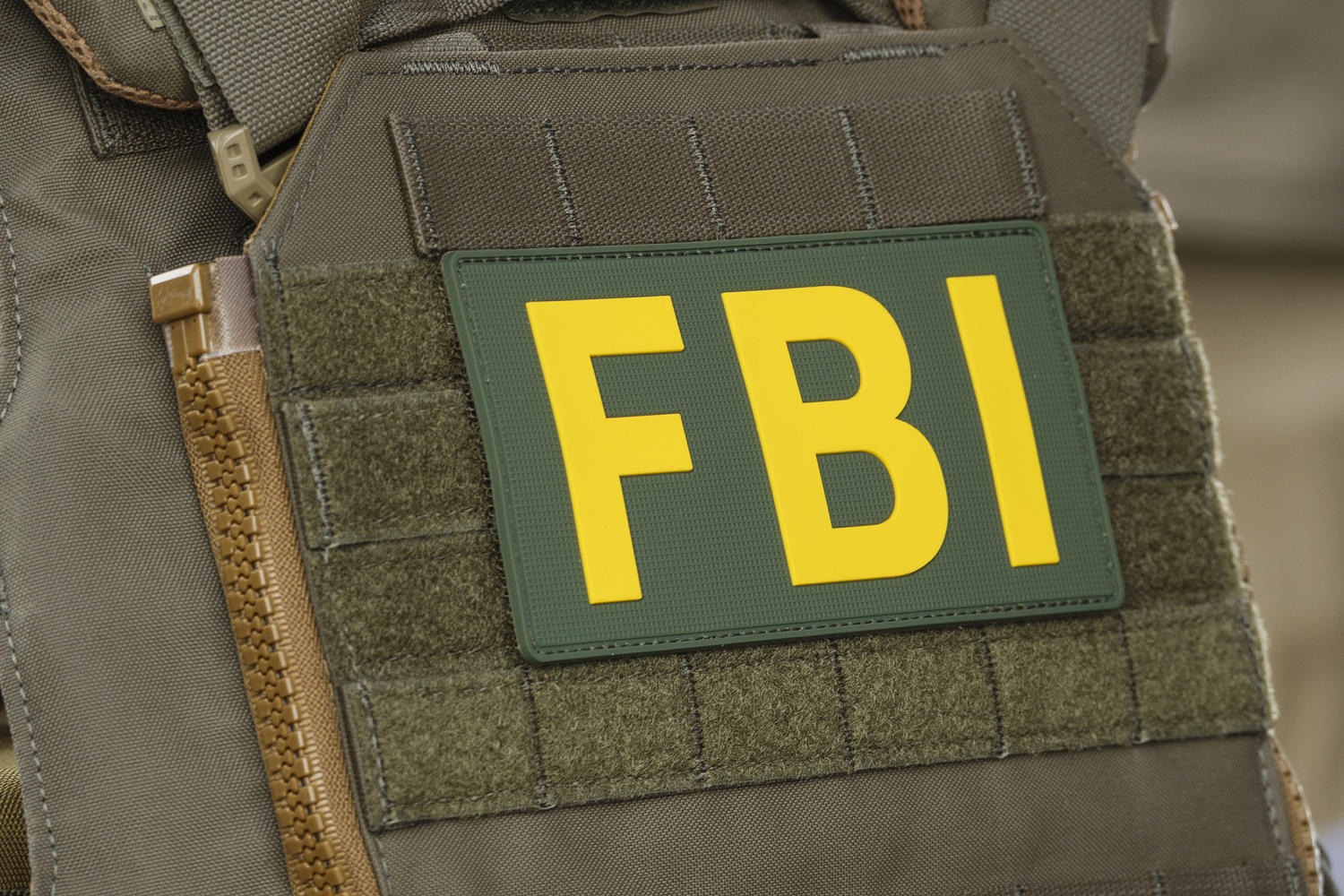
When law enforcement officers go rogue, the psychological breakdown behind the badge is usually messy. Federal prosecutors laid out a stunning case where an investigator allegedly decided to cross lines, targeting digital assets linked to foreign targets. Corruption inside elite investigative agencies rarely makes sense on paper. Yet, financial pressure and personal grievance often mix into a toxic cocktail.
The Anatomy of Federal Insider Crime
We like to think that institutional safeguards protect high-security government bodies from internal rot. They don't. When a seasoned investigator feels undervalued or financially squeezed, the proximity to high-value seizures creates an obvious temptation. You might also find this connected article useful: When Grief Collides With Reality Behind The Irish Motorway Tragedy.
The mechanics of digital currency investigations make asset handling uniquely vulnerable. Unlike physical cash locked in secure evidence rooms, digital tokens exist across decentralized networks. They require specialized keys and technical management. When an agent manages these technical assets without immediate oversight, the risk profile skyrockets.
How Digital Assets Complicate Internal Security
Traditional white-collar crime investigations relied on paper trails that took months to unravel. Digital assets change that dynamic entirely. As reported in detailed reports by USA.gov, the implications are significant.
- Traceability: Every transaction leaves an immutable record on the blockchain.
- Seizure Protocols: Agencies frequently struggle to update custody frameworks fast enough to match cryptographic innovations.
- Human Factor: Technical training does not inoculate personnel against greed or desperation.
Investigators handling digital currency cases hold immense power. They sit at the intersection of complex technology and immense state authority. When someone on the inside decides to exploit that gap, catching them requires internal compliance mechanisms that are just as sophisticated as the crimes they investigate.
Breaking Down the Frustration Factor
Why would someone with a prestigious federal career throw it all away for digital tokens? Frustration is rarely just about money. It is usually a mix of professional stagnation, perceived institutional disrespect, and lifestyle creep.
When you spend decades looking at criminals profiting from illicit schemes, a psychological shift can occur. The boundary between "us" and "them" blurs. Rationalizations take over. The agent tells themselves they are just taking a tiny fraction of what is already floating in illicit pools.
The Fallout for Federal Oversight
Every time a high-ranking investigator faces criminal charges, the agency takes a massive credibility hit. Public trust depends on the absolute integrity of federal personnel.
Agencies are now forced to rethink how they audit digital asset management. Dual-custody requirements and strict multi-signature protocols are becoming standard across federal task forces. You cannot simply trust a single investigator to manage cryptographic wallets independently anymore.
The reality check is harsh. Technology moves faster than bureaucratic policy. Until oversight structures catch up with decentralized finance, insider threats will remain one of the hardest vulnerabilities for law enforcement agencies to patch.
Former FBI agent pleads guilty to working for Russian oligarch
This video provides additional context regarding federal investigations into former agents entangled with Russian financial schemes and corruption allegations.

.jpeg?width=1200&auto=webp&trim=181%2C0%2C181%2C0)