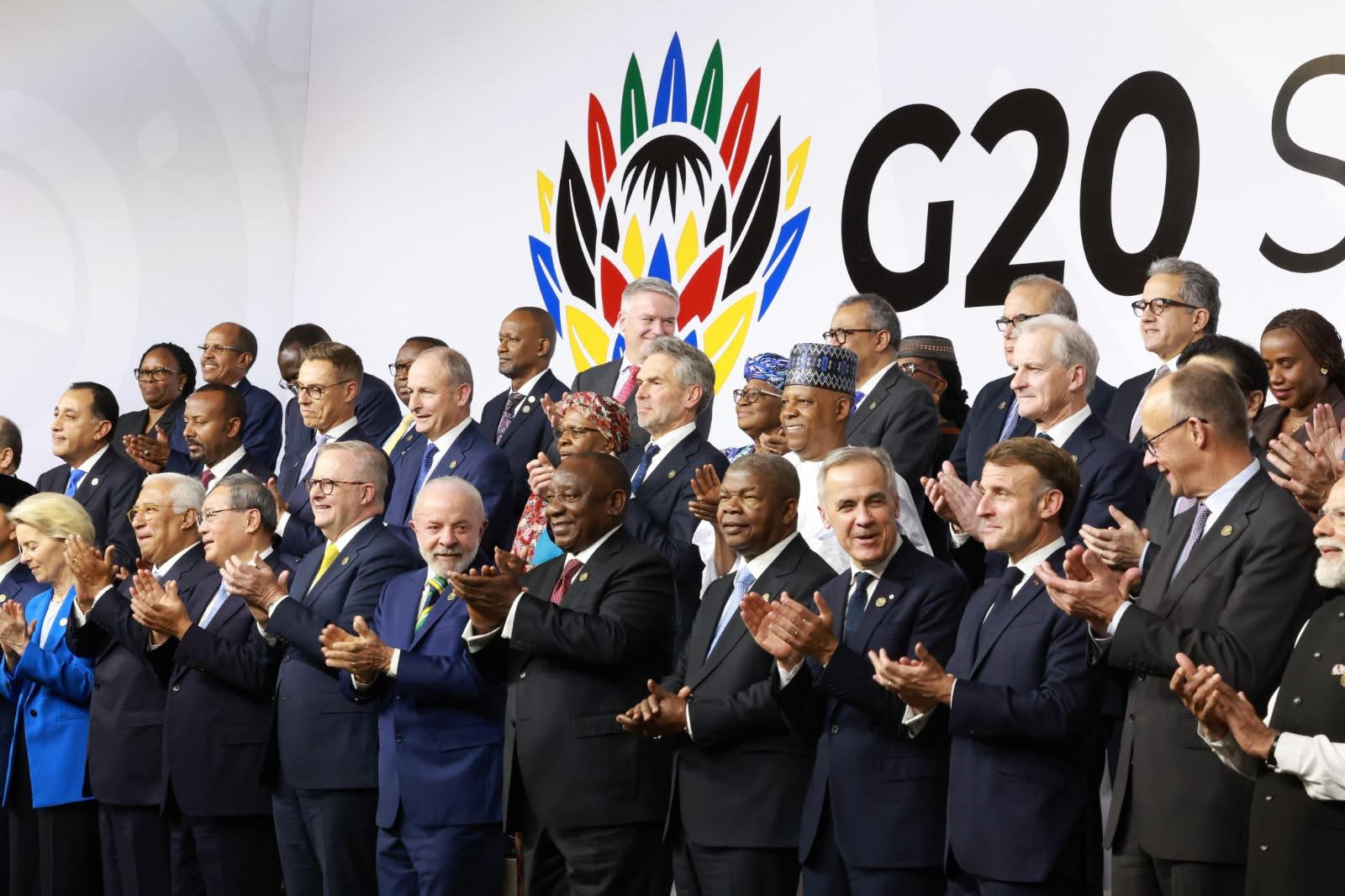
Global summits love pretending everything is fine. They wrap deep ideological fractures in diplomatic velvet and call it progress. But the G20 foreign ministers' meeting in Atlanta just shattered that illusion.
Diplomats packed their bags without a joint communiqué. No shared victory lap. No sweeping declaration of international unity. Instead, deep fissures over Russia's war with Ukraine completely derailed the agenda.
If you expected a breakthrough on global security, you haven't been paying attention to modern geopolitics.
The Breakdown in Atlanta
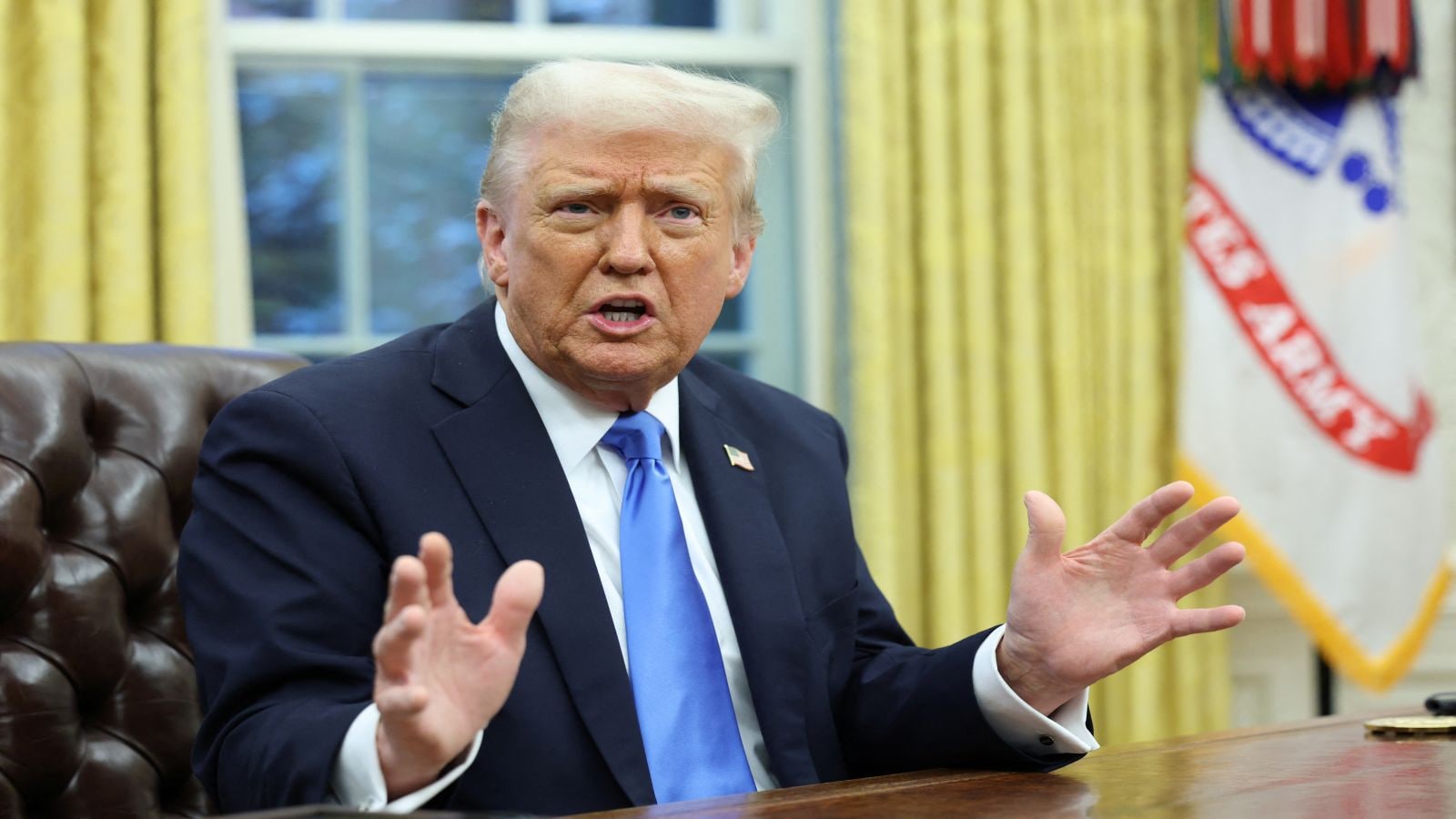
Two days of high-stakes diplomacy in Georgia ended with a whimper rather than a roar. US Secretary of State Marco Rubio stepped up to release a chairman's summary instead of the traditional unified statement. That tells you everything you need to know about the current state of multilateral institutions.
When major economic powers can't agree on basic clauses regarding territorial sovereignty and active conflicts, consensus dies. Russia's ongoing invasion of Ukraine cast a long shadow over every single panel. Western diplomats pushed for condemnation, while other member states urged a focus away from geopolitical flashpoints.
The result? Total gridlock on core security questions.
US officials tried to salvage the optics by pointing toward alternative wins. They pivoted hard to supply chains, energy security, and critical minerals.
Where the Real Focus Went
While the broader G20 table fought to a standstill, mini-lateral groups used the Atlanta backdrop to get actual work done. The Quad—comprising the United States, India, Australia, and Japan—held high-level meetings that yielded concrete financial commitments.
The Quad announced over $85 million in technical and financial backing for trusted artificial intelligence access across the Indo-Pacific region. Washington also committed $10 million toward specialized facilities in India and ASEAN countries designed to recover critical minerals from electronic waste.
That is where the rubber meets the road. Nations are tired of waiting for consensus from a bloated twenty-nation bloc that cannot agree on war and peace. They are building smaller, tighter economic coalitions to secure future tech supply chains.
Why Traditional Diplomacy Is Failing
Multilateral forums like the G20 were built for a different era. They assume that shared economic gravity can override fundamental disagreements on national security and international law.
It cannot.
When countries hold diametrically opposed views on regional wars, forcing a joint statement becomes an exercise in meaningless semantic gymnastics. Diplomatic drafts get watered down until they say nothing at all. Skipping the joint communiqué in Atlanta wasn't a failure of diplomacy. It was a dose of reality.
Secretary Rubio admitted that universal solutions aren't close at hand. Honesty from a podium is refreshing, even if the underlying situation remains grim.
What Comes Next for Global Trade and Security
The failure in Atlanta signals a permanent shift in how major powers will interact moving forward. Expect fewer grand global agreements and more fractured, transactional diplomacy.
Countries aren't going to stop trading, but they are drawing hard lines around who they trust with critical minerals, semiconductor supply lines, and AI development. If you run a business or track global markets, stop looking at massive G20 declarations for direction. Look at bilateral trade pacts, regional security dialogues, and supply chain re-shoring efforts.
The era of effortless global consensus is officially over. Deal with it.