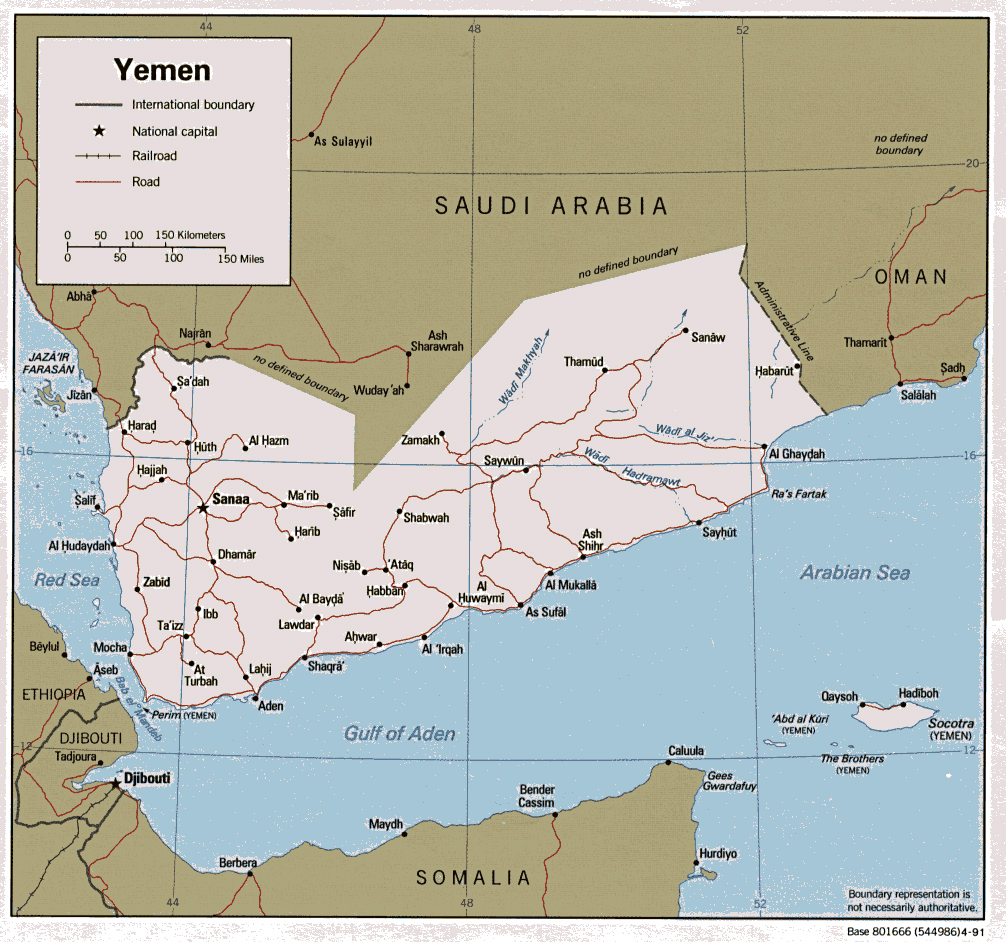
Oil traders woke up to a familiar nightmare this week, and honestly, most market commentators are missing the real story. Yemen's Houthi rebels claimed fresh attacks on a Saudi oil refinery right as President Donald Trump warned of new military strikes coming next year. If you only read the surface-level headlines, you'd think we're watching a simple replay of 2019's Abqaiq-Khurais drone strikes. We aren't.
The actual risk sitting beneath this latest escalation isn't just about damaged pipes in Saudi Arabia. It's the collision between Houthi drone capabilities, Iranian regional leverage, and a looming 2027 U.S. strike timeline that threatens the Strait of Hormuz. Let's break down what's actually happening on the ground, why the timing matters so much, and what you need to watch before energy markets price in a full-blown supply shock.
Why the Houthi Refinery Claim Changes the Equation
When Houthi military spokespeople claim an attack on Saudi energy infrastructure, the immediate reaction from outside observers is usually skepticism. Sometimes their claims are exaggerated. Sometimes Saudi air defenses intercept the incoming drones or ballistic missiles before they hit anything vital.
That misses the point.
Even an intercepted attack forces Saudi Aramco and Riyadh into a defensive crouch, reminding global crude markets that Saudi Arabia's massive production capacity sits within range of relatively cheap, asymmetric weaponry. Having tracked Middle East energy security for years, I can tell you that physical damage isn't even required to move Brent crude futures. The mere credible threat to refining and export hubs forces shippers to rethink war-risk insurance premiums and forces Riyadh to calculate the political cost of retaliation.
The Strait of Hormuz Connection
Look at the broader geography here. You can't separate Houthi actions in the Red Sea and Saudi Arabia from what's happening with Iran and the Strait of Hormuz. While the Houthis operate with their own local agenda in Yemen, their long-range strike capabilities rely heavily on Iranian technical backing and supply chains.
When Trump warns of new strikes next year—pointing toward 2027—he's signaling that Washington isn't treating these regional flare-ups as isolated incidents. A U.S. military campaign aimed at Iranian assets or proxy infrastructure carries one massive, unavoidable consequence: Tehran's ability to threaten traffic through the Strait of Hormuz. Roughly a fifth of the world's petroleum liquids consumption passes through that narrow chokepoint. If Washington strikes, Hormuz becomes the ultimate pressure valve for Iran.
What Most Analysts Miss About Trump's Timeline
Here's where people get tripped up. They hear "new strikes next year" and assume either immediate war or empty political bluster. Both reads are lazy.
Setting a public timeline for potential military action next year serves two distinct purposes for the White House:
- Coercive diplomacy: It puts Tehran and Sanaa on notice that the current stalemate has an expiration date, giving regional mediators a window to extract concessions before kinetic action starts.
- Allied burden-sharing: Gulf states like Saudi Arabia and the UAE hate surprises. Telegraphing a 2027 horizon gives Riyadh time to shore up Patriot and THAAD missile batteries, coordinate naval patrols, and decide how exposed they want to be if U.S. bombers fly.
Notice the catch, though. Telegraphing a timeline also gives your adversaries months to disperse assets, harden underground facilities, and stockpile drones. By warning of strikes next year, Washington trades operational surprise for diplomatic pressure. Whether that gamble pays off depends entirely on whether Iran believes Trump will actually pull the trigger when the calendar flips.
Why Saudi Arabia Is Walking a Tightrope
Riyadh doesn't want a regional war right now. Not even a little bit.
Saudi leadership has spent the last few years trying to extricate itself from the quagmire in Yemen while pouring hundreds of billions of dollars into Vision 2030 domestic mega-projects. A sustained exchange of fire with the Houthis—or worse, getting caught in the crossfire of a U.S.-Iran confrontation—torpedoes foreign direct investment and threatens the oil revenues funding those projects.
When Houthi forces target a Saudi refinery, Riyadh faces a brutal dilemma. Strike back hard, and they risk an all-out drone war against their desalination plants and oil terminals. Hold back, and they look vulnerable while Washington talks about escalating next year. That's why Saudi diplomatic backchannels with both Tehran and Washington are likely running hot right now.
How Energy Markets and Investors Misread Geopolitical Risk
If you watch financial television during a Middle East flare-up, you'll see the same knee-jerk pattern every single time. Crude spikes 3% to 5% on the initial headline, pundits predict $120 oil, and then prices drift right back down forty-eight hours later when tankers keep moving.
Traders have developed scar tissue from false alarms. Because global oil supply has had enough spare capacity—largely held by Saudi Arabia and the UAE—markets have treated Middle East strikes as temporary noise rather than structural threats.
Here's the flaw in that thinking. Spare capacity doesn't help you if the facilities holding or exporting that spare capacity are the exact targets in the crosshairs. If a refinery goes offline, you don't just lose crude volume; you lose refined products like diesel and jet fuel, which tightens global crack spreads immediately. And if the Strait of Hormuz faces even a partial blockade or mining threat during a 2027 U.S. strike scenario, Saudi spare capacity becomes trapped behind the very chokepoint that's closed.
What You Should Actually Watch Next
Forget the noisy cable news panels and focus on concrete indicators over the coming weeks. If you're tracking this for business, investing, or policy reasons, watch these specific signals:
- Satellite verification and Aramco statements: Don't rely solely on Houthi military claims. Look for independent satellite imagery confirming thermal anomalies at Saudi refining facilities and official statements from Saudi Aramco regarding export schedules or force majeure declarations.
- Maritime war-risk insurance rates: Keep an eye on Lloyd's of London and maritime insurers covering the Red Sea and Persian Gulf. Insurers price real risk faster and more honestly than politicians do. When premiums jump, physical supply disruptions usually follow.
- U.S. force posture shifts: Watch for Pentagon announcements moving carrier strike groups, B-52 bombers, or additional air defense batteries into CENTCOM's area of responsibility. Rhetoric is cheap; moving heavy hardware across oceans costs millions and signals genuine preparation for strikes next year.
- Brent-WTI spread widening: Because Brent crude is seaborne and directly exposed to Middle Eastern chokepoints, a widening premium of Brent over U.S. West Texas Intermediate tells you that physical buyers are scrambling to secure non-Gulf barrels.
Monitor those four metrics closely, ignore the daily Twitter rumor mill, and position your risk management around physical supply bottlenecks rather than political headlines.