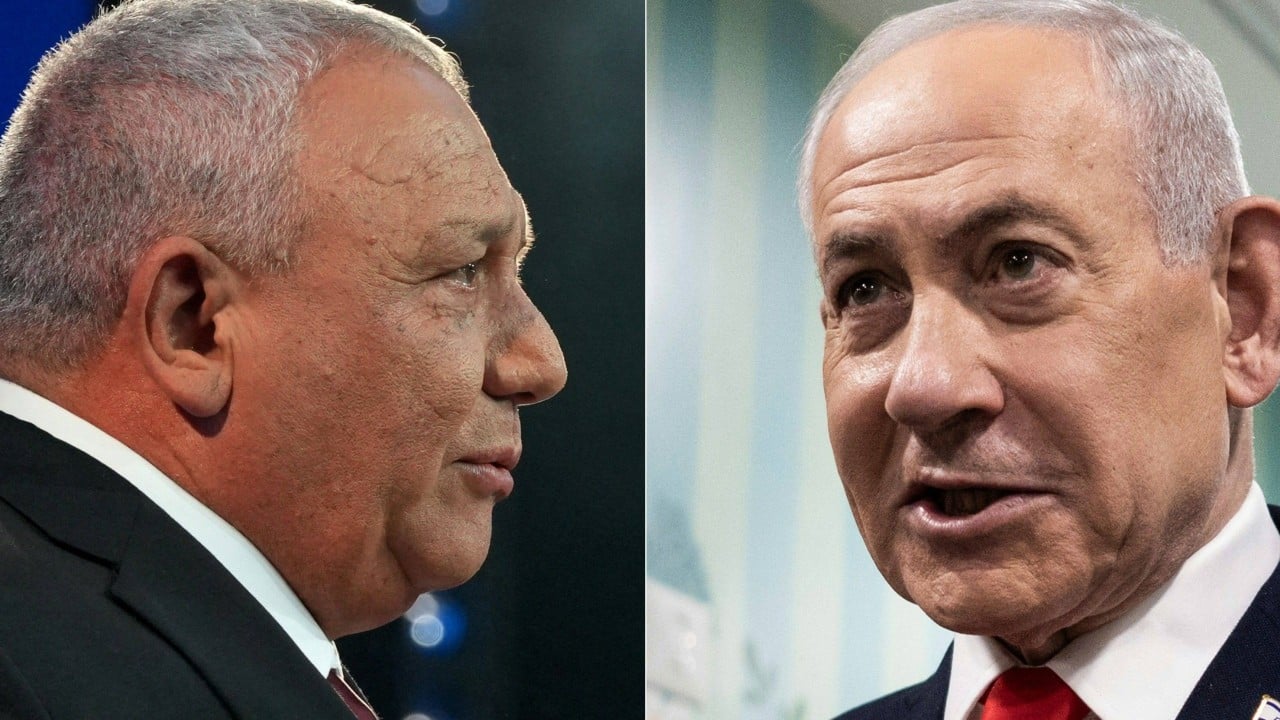
Israeli politics just hit a massive, unpredictable turning point. Following the recent general election, opposition leader and former military chief Gadi Eisenkot has secured 67 recommendations in the 120-seat Knesset. This happened after both the Arab-led Joint List and Ra'am threw their weight behind him.
If you've been watching Israeli governance over the last few decades, you know how rare this is. Arab-majority parties secured an unprecedented 19 seats in the October 27 election, instantly making them the ultimate kingmakers. Now, Prime Minister Benjamin Netanyahu’s grip on power is facing its most serious threat yet. But getting the numbers on paper is one thing. Actually running a country with them is an entirely different beast.
The Numbers That Shocked the Establishment
Let's look at the hard breakdown. Netanyahu's right-wing bloc pulled in 53 seats. Eisenkot’s centrist bloc landed at 48. By themselves, neither side could cross the magical 61-seat threshold needed to form a government.
Enter the Arab parties. Ra'am backed Eisenkot on Wednesday, and the Joint List followed suit on Thursday. That pushed Eisenkot's total to 67 recommendations. President Isaac Herzog faces a decision on Sunday, and tradition dictates he hands the mandate to the candidate with the most recommendations. On pure mathematics, Eisenkot is in the driver's seat.
Yet, translating recommendations into a stable coalition is messy. Israel's political landscape is notoriously fractured, and bridging the gap between centrist Jewish politicians and Arab lawmakers comes with immense ideological friction.
Why This Alliance Is a Political Minefield
You can't talk about this move without addressing the deep historical tensions. Arab citizens make up roughly 20 percent of Israel's population, yet they have historically been kept out of the corridors of executive power. Only once in Israeli history has an Arab party sat inside a governing coalition—a short-lived experiment in 2021 that barely cracked 18 months.
For Eisenkot, accepting this backing is a high-stakes gamble. Netanyahu is already framing the alignment as a betrayal of Israel's Jewish identity and a national security hazard. Right-wing politicians within Eisenkot's own sphere are feeling the heat. Opponents argue that depending on Arab lists—parties whose constituents deeply sympathize with Palestinian causes in the West Bank and Gaza—will alienate nationalist voters.
At the same time, sticking points exist within the anti-Netanyahu camp itself. For instance, Eisenkot has set strict conditions for coalition partners, including demands around how political factions view security threats like Hamas. Mansour Abbas and other Arab leaders are walking a tightrope, trying to secure civic and economic gains for their voters without walking into impossible ideological corners.
What Netanyahu Does Next
Don't expect Netanyahu to go quietly. Even with 67 recommendations against him, the veteran leader has survived political death more times than most analysts can count.
Netanyahu could attempt to peel away weak links within the opposition or try to force a broader unity arrangement, though his refusal to compromise on key judicial and security accountability issues makes that difficult. Ultra-Orthodox allies like United Torah Judaism have also shown signs of hesitation, declining to automatically back standard bloc lines during recent consultations.
The friction points are clear:
- Military exemptions for ultra-Orthodox populations
- Demands for an official state inquiry into the security failures surrounding the October 7 attacks
- Deep-seated distrust between secular nationalists and religious or Arab factions
The Road Ahead for Israel
President Herzog is set to formally task a candidate with forming the government. If Eisenkot receives the mandate, he faces the hardest weeks of his political life. Building a functional administration out of sworn ideological opponents requires compromises that could fracture his own support base overnight.
This isn't just a routine transition of power. It's a fundamental stress test for Israeli democracy. Whether Eisenkot can turn these historic endorsements into a working government—or if the political system collapses back into deadlock—will shape the region for years.