For over three decades, the ghosts of the Cold War haunted Hungarian family dinners and political campaigns alike. Everyone knew someone who might have talked, but nobody had the hard proof. That changes right now. Hungary has officially launched a searchable online database exposing the names and records of tens of thousands of communist-era state security informants.
Prime Minister Péter Magyar’s administration pushed through the legislation to finally fulfill a promise that previous governments dodged for generations. More than thirty-six years after the fall of the regime, the vault doors are wide open. Critics warn of a looming social panic, while transparency advocates argue it is long overdue.
What the Archives Actually Reveal
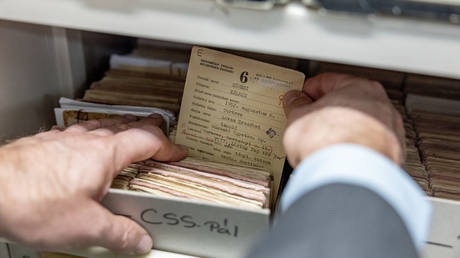
The newly accessible database pulls back the curtain on an estimated 50,000 to 60,000 former informants who worked with the communist secret police. The first phase focuses heavily on the "H-Database," compiled from magnetic tapes dating back to 1989, alongside traditional cards and logs.
Historians estimate that roughly 10 percent of the individuals named in these files are still alive today. For families across the country, scrolling through the digital registry means confronting uncomfortable truths. As survivor and victim association president Miklós Kiss bluntly noted, people are discovering that there were informants in every neighborhood and street.
Yet, treating every name on a list as an unmitigated villain is a massive mistake. Historians who have studied the records emphasize that recruitment did not always equal active betrayal. Some individuals were coerced under extreme duress, while others took massive personal risks to subvert the system from within.
Why Previous Governments Kept the Files Locked
For thirty years, political leaders in Budapest kept these files restricted. Researchers and victims could petition to view files concerning themselves, but public access was heavily restricted.
Why the delay? Fear of political weaponization was the primary driver. When political figures across the spectrum could potentially be tied to the old apparatus, keeping the archives sealed served as a convenient shield for the political elite. Even former leader Viktor Orbán faced resurfaced scrutiny during recent political shifts, forcing him to publish documents showing a failed attempt to recruit him during his 1980s military service.
When Magyar won the April election on a platform of total regime change, opening the secret files became an unavoidable test of political will. Zoltán Tarr, the minister of social relations and culture, summed up the philosophy behind the move online: a democratic society has the absolute right to know its past.
Learning From Other Eastern Bloc Transitions
Hungary isn't pioneering this painful process. Other former Eastern bloc nations walked this road years ago.
East Germany opened its massive Stasi files back in 1992. The Czech Republic followed suit in 2003, and Latvia opened its informant registries in 2018. Experience from those nations shows a predictable pattern. The initial weeks bring shock, anger, and accusations. Marriages fracture, reputations face instant trial online, and historians scramble to add context to raw bureaucratic notes.
However, nations that ripped the bandage off eventually found a strange sense of civic relief. Once the secrets were out in the open, they could no longer be used as political blackmail tools behind closed doors.
What Happens Next
The rollout is happening in phases. A second batch of files, providing deeper details on roughly 9,000 specific informants, is scheduled for release in February. Authorities have noted that certain sensitive personal details, including sexual orientation data logged by regime police, will be redacted to protect privacy.
If you are digging through the database or analyzing the fallout, keep a clear head. Do not mistake a bureaucratic recruitment note for a proven act of malice. Read the surrounding context. Understand the machinery of a twentieth-century surveillance state before you judge those caught inside its gears.