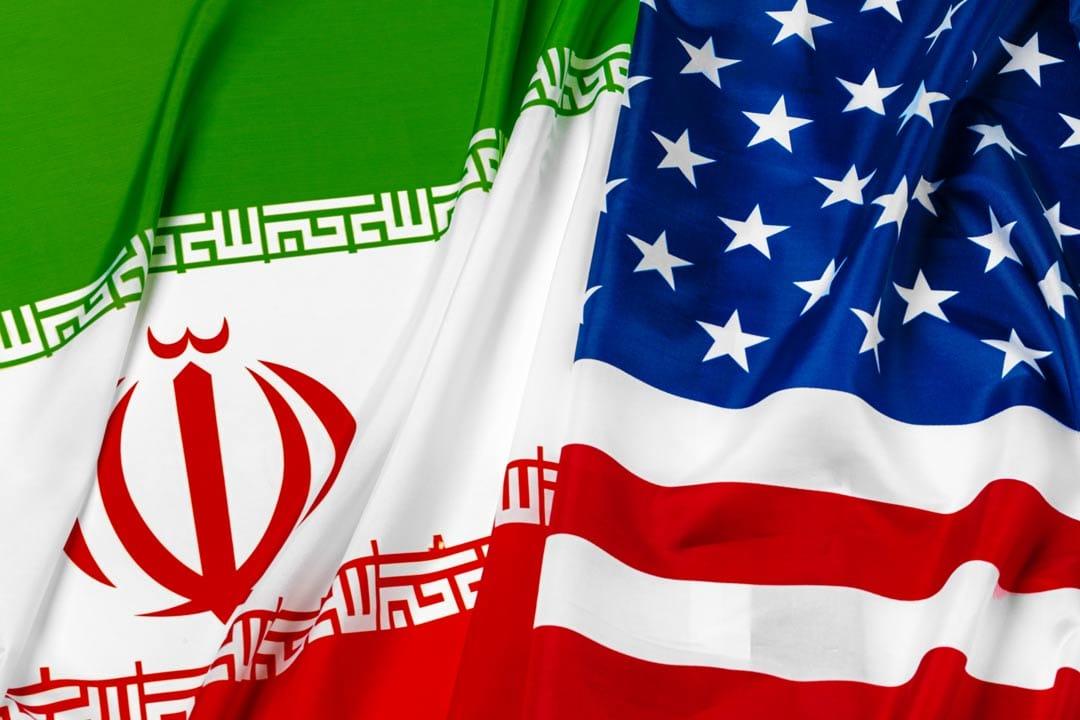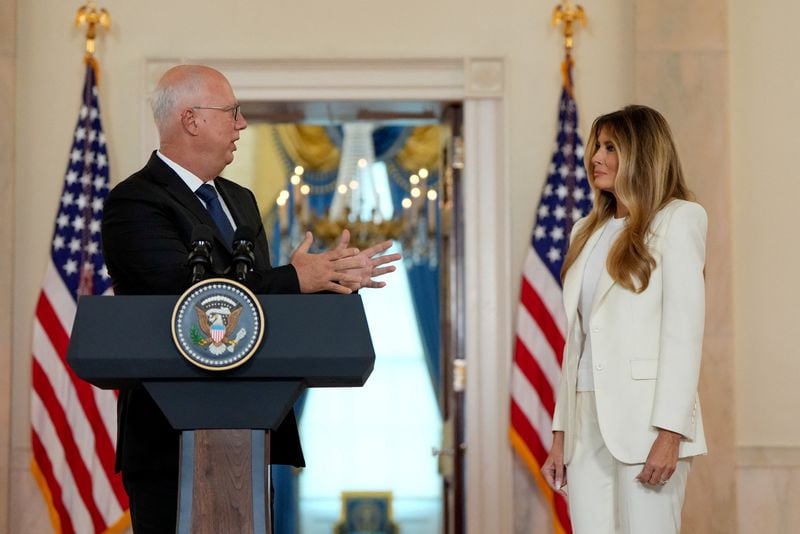
Donald Trump just fired another warning shot across the bow, threatening to completely destroy what remains of Iran's infrastructure if talks fall apart. Tehran fired back with a concrete counter-offer: a new nuclear proposal built around seven distinct terms. It's a high-stakes poker game playing out in real-time, right on the heels of major domestic political shifts in Washington.
If you've been trying to make sense of why this crisis refuses to die down, you have to look past the fiery rhetoric. Both sides are backed into corners, and this seven-point proposal is Tehran's attempt to rewrite the rules of engagement before regional mediators lose control entirely.
The Reality Behind the Seven Terms
Let's cut through the noise. Iran isn't sending proposals out of charity or sudden weakness. They are trying to lock down a framework that survives changing political winds in the United States, especially after the recent midterm elections dealt a harsh blow to the Republican party.
The seven terms reportedly center around long-standing demands that Washington has historically balked at: lifting primary and secondary sanctions, securing guarantees on regional shipping lanes, and establishing fixed timelines for nuclear oversight without giving foreign inspectors carte blanche over military sites. Tehran wants relief that actually hits their economy, not empty promises that evaporate when a new administration takes office.
Trump's response has been characteristically blunt. By threatening total destruction, he's attempting to force Tehran into accepting rigid limitations on uranium enrichment without offering immediate sanctions relief in return. It's the classic maximum pressure playbook. But playbook strategies don't always work when the other side has spent months adapting its supply chains and hardening its positions.
Why Washington Is Struggling to Respond
Mediators have been working overtime to keep a lid on the conflict, particularly with fears mounting that hostilities could flare up again across the Middle East. The problem for the White House isn't just dealing with Tehran—it's managing friction at home.
Military leadership and key administration figures are facing intense scrutiny following the GOP's electoral setbacks, and the political appetite for a prolonged foreign entanglement is wearing thin. When key officials start pointing fingers behind closed doors, a coherent foreign policy strategy goes out the window.
Iran knows this. By putting forward a structured seven-point plan, Tehran is trying to shift the narrative. They want to look like the reasonable diplomatic party at the table while painting Washington as the unreasonable aggressor unwilling to compromise.
What Happens Next in the Gulf
You shouldn't expect a sudden, peaceful resolution just because a piece of paper changed hands. Proposals get tossed in the trash or heavily modified daily in this conflict. Trump has shown zero hesitation in rejecting deals he feels don't favor American interests entirely, and Tehran has equally shown it will double down on defiance rather than capitulate unconditionally.
Keep an eye on how regional intermediaries handle the counter-offer over the coming days. If Washington completely shuts down the seven terms without a counter-proposal, expect military posturing in the Strait of Hormuz to spike immediately. The margin for error is razor-thin, and neither side can afford to blink first.